
Metal · St. Petersburg, FL
1 / 8
St. Petersburg, FL
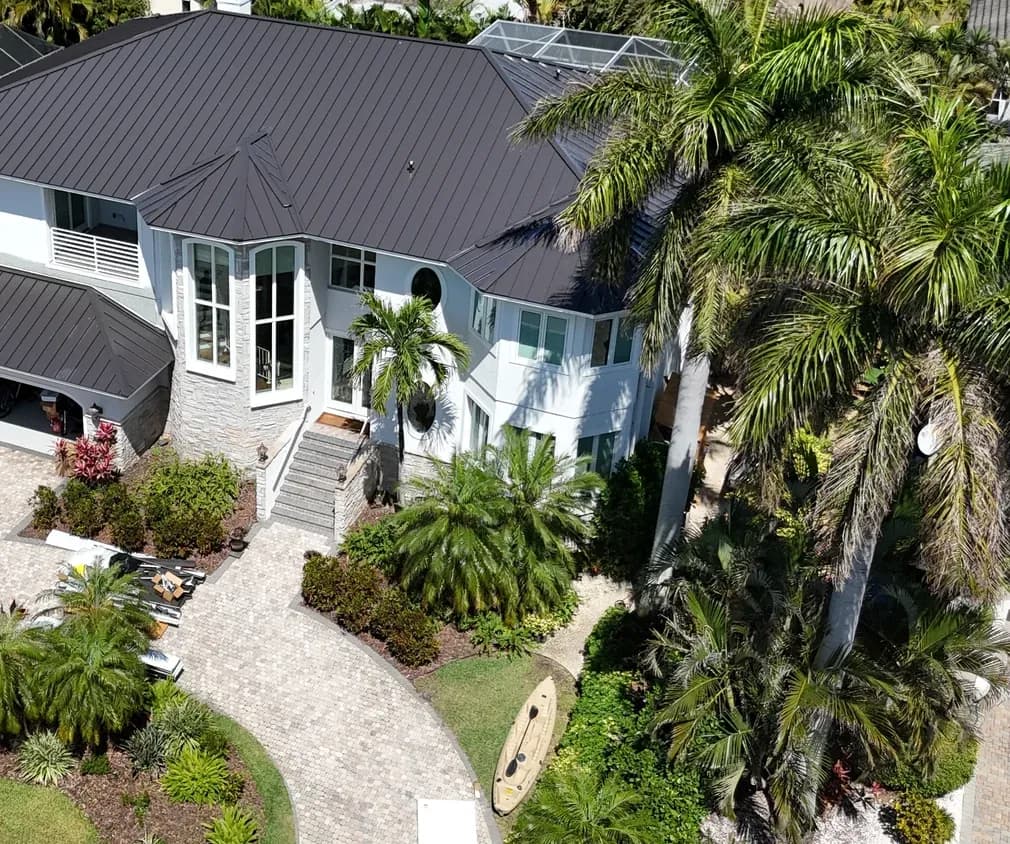
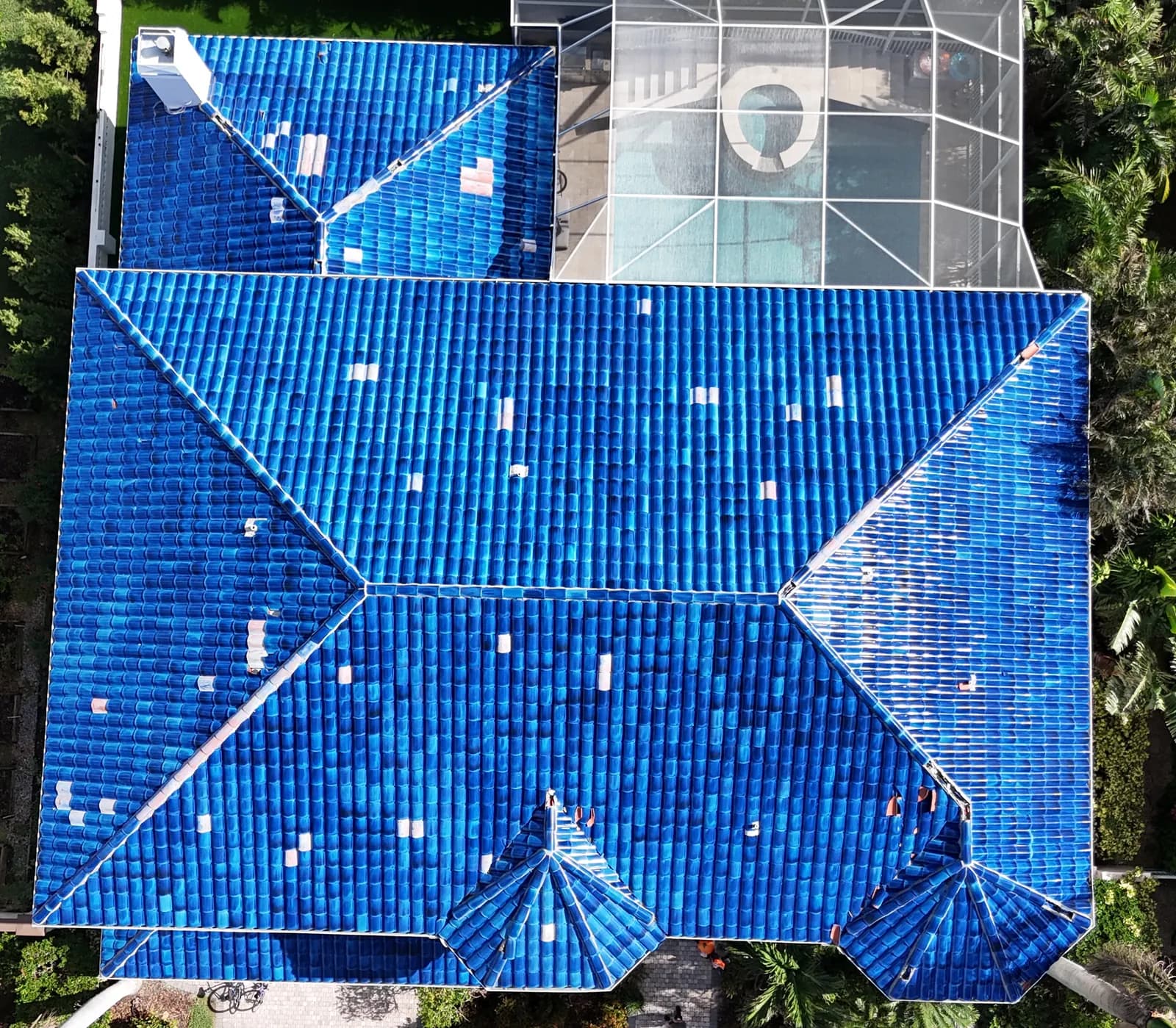
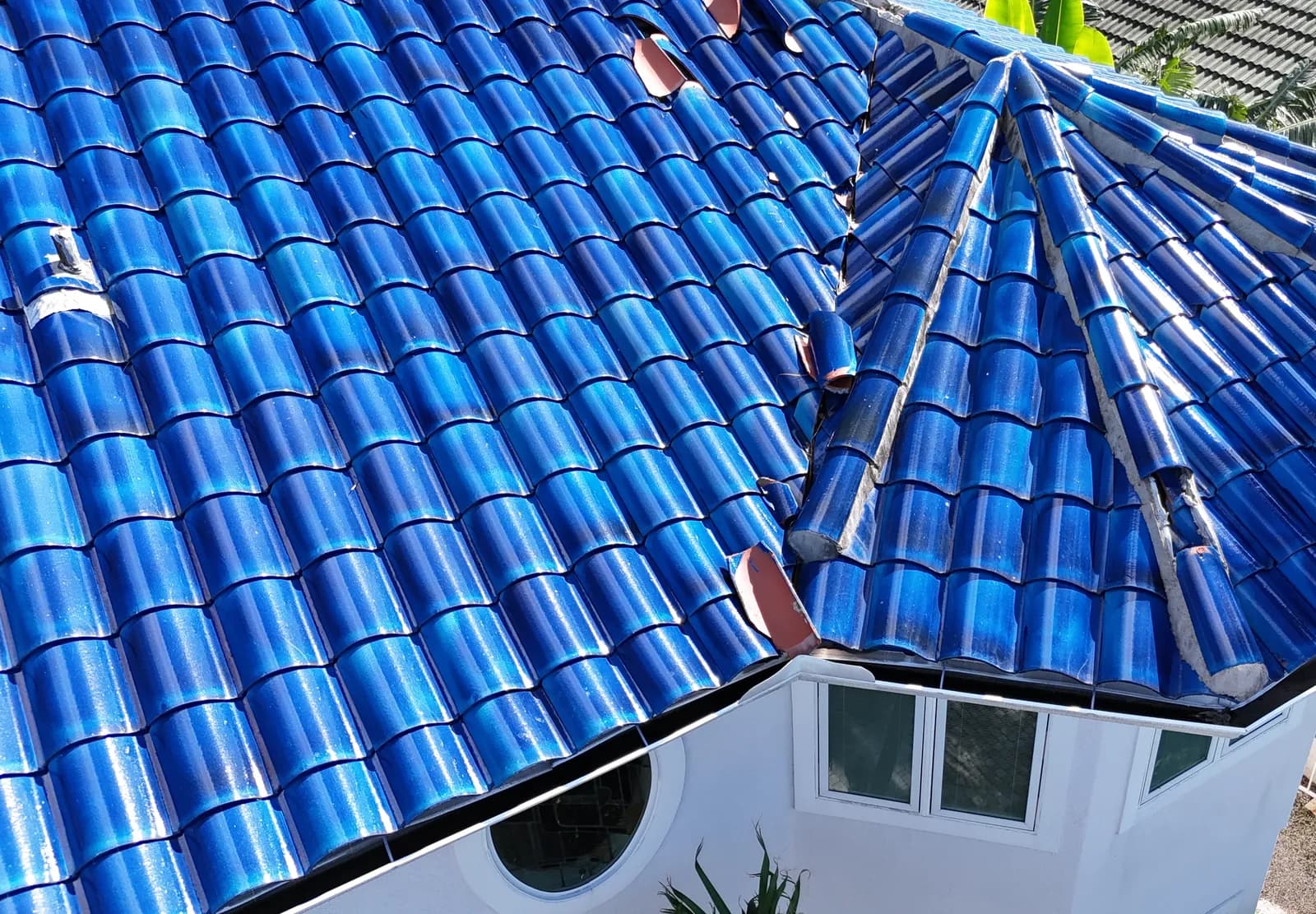
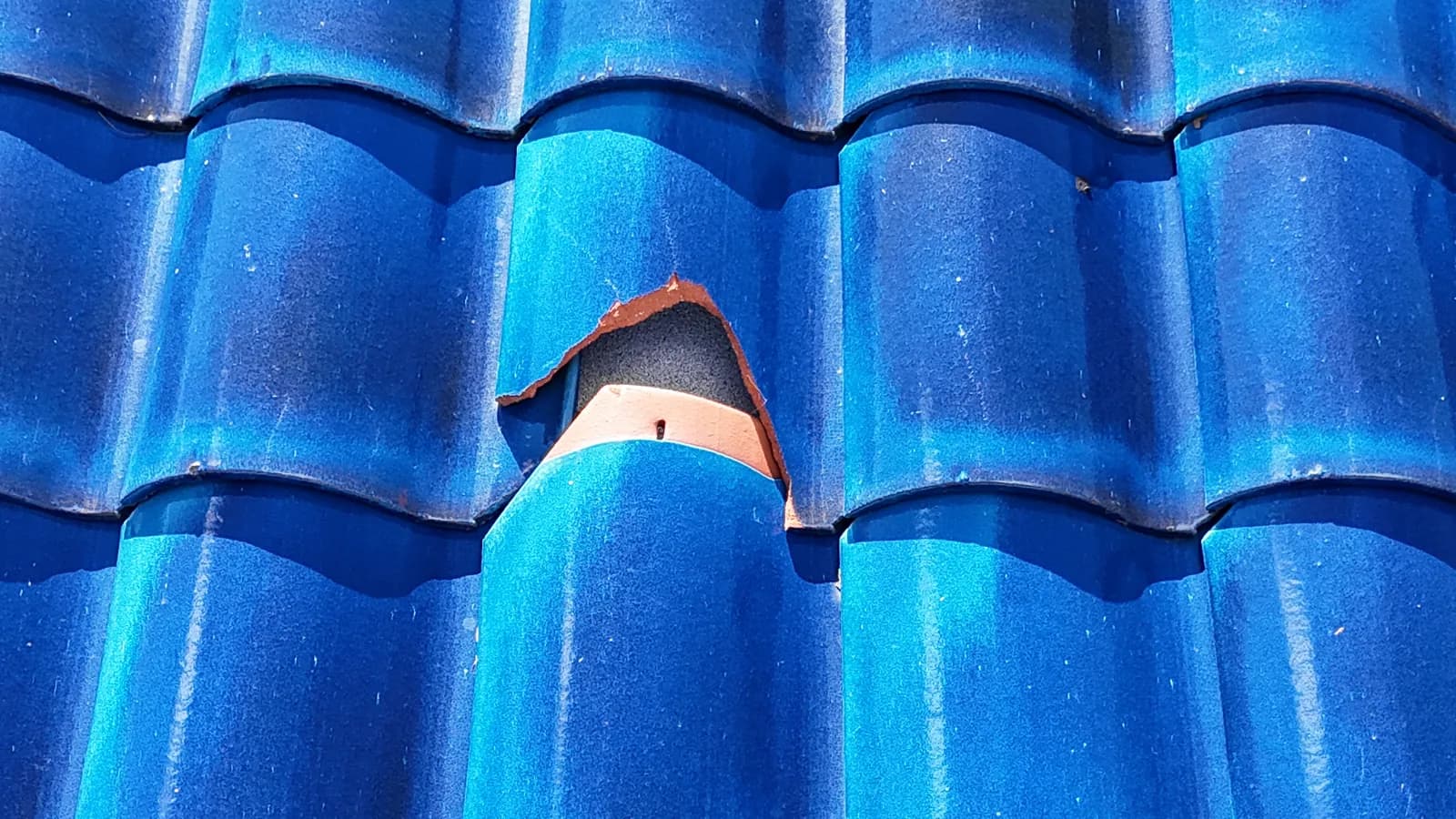
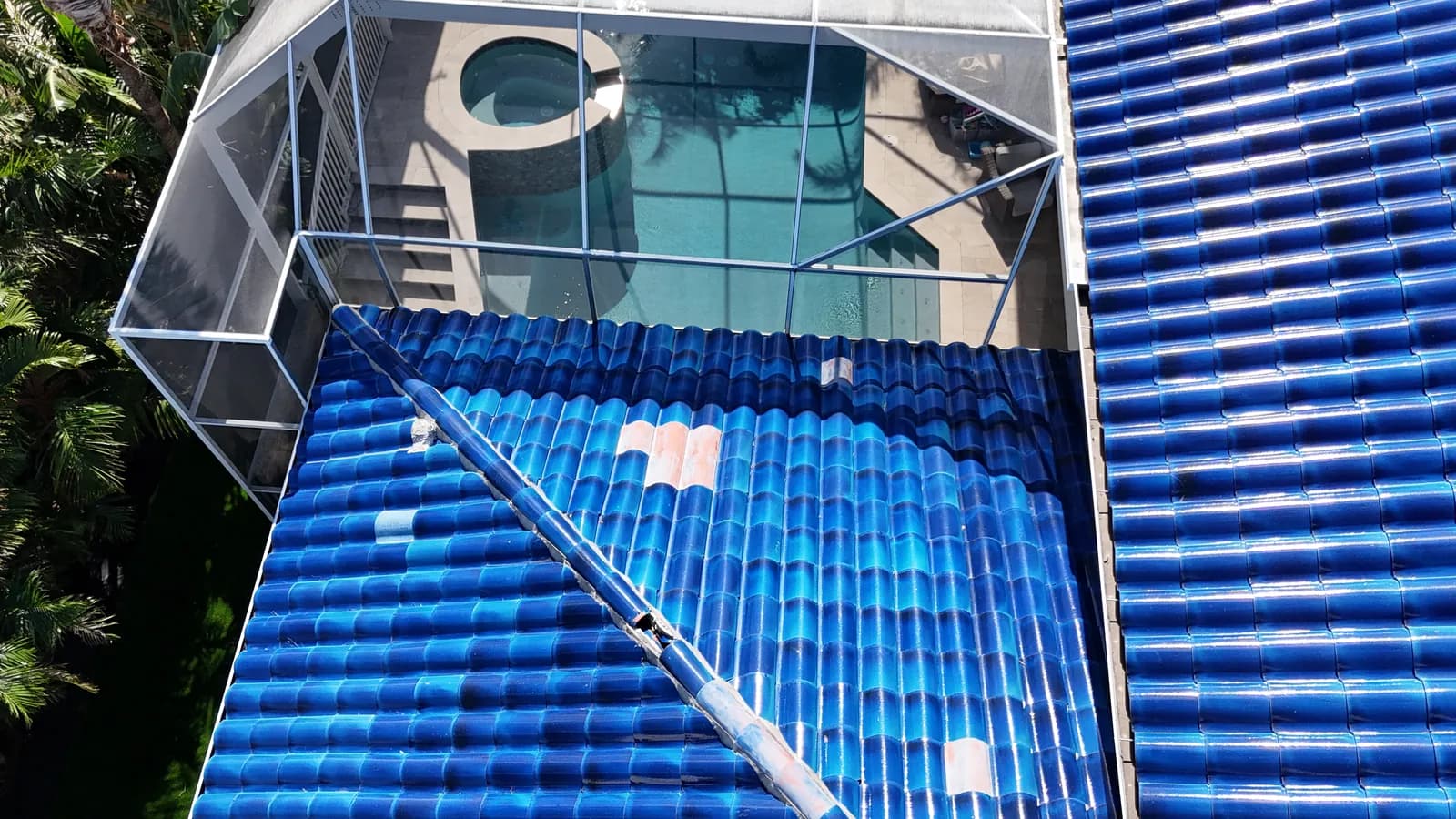
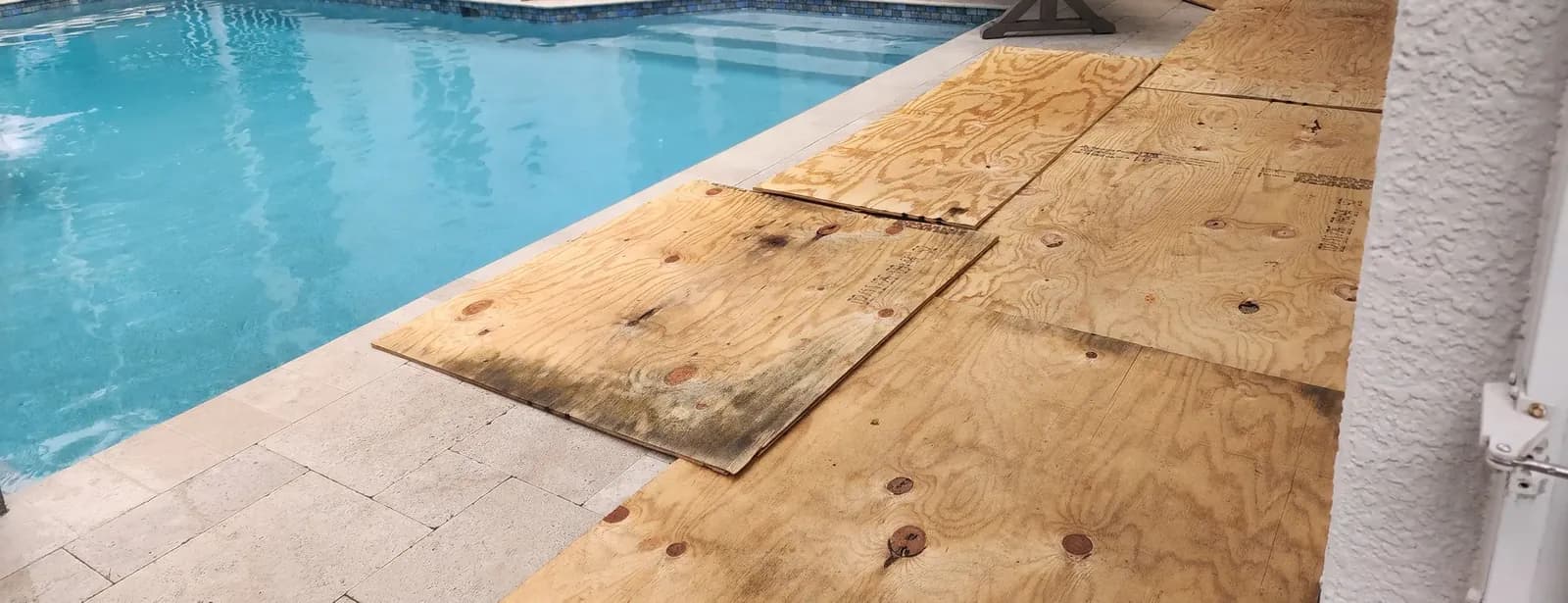
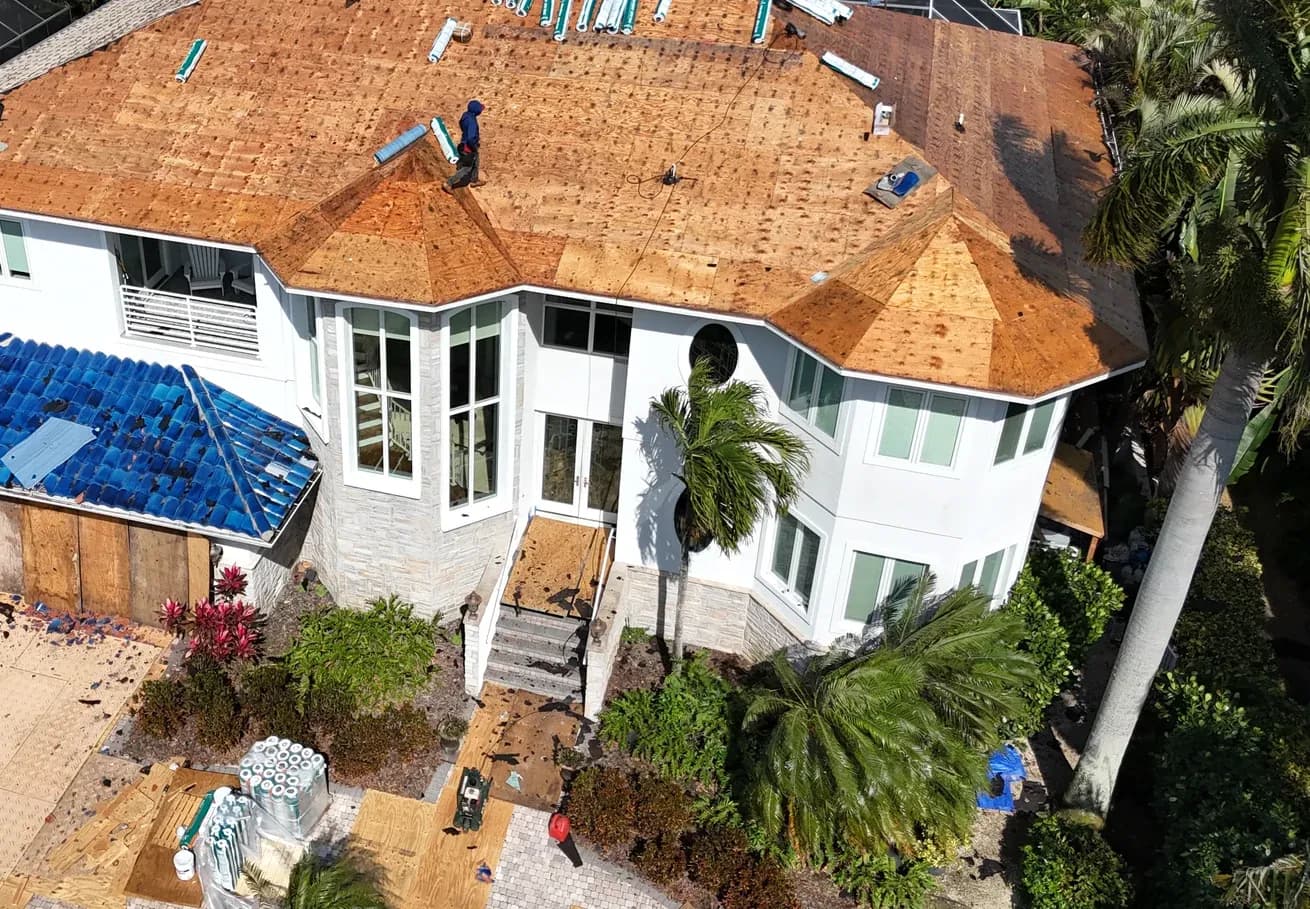
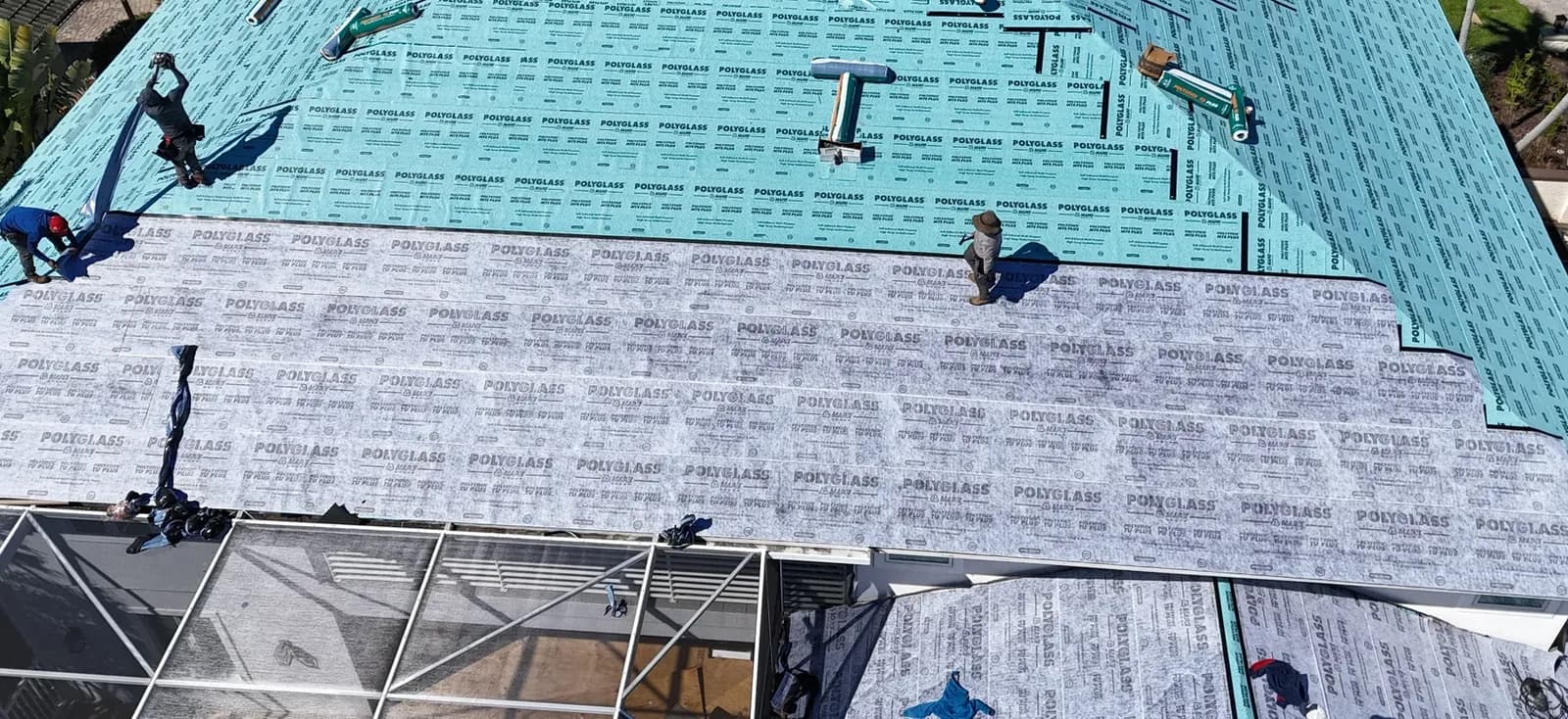
Tile to standing seam metal conversion after Hurricane Milton
The finished conversion: 1.5 inch snaplock standing seam in .040 aluminum.
Choosing the company before the roof
Not who is best, but how to check: licenses and what the classes mean, the questions that belong in writing, warranties and whether they survive a sale, payment terms, and the storm-chaser pattern to recognize.
Reviewed August 26, 2026. General information from a roofing contractor, not legal advice; the statutes are linked so you can read them yourself.
Ignore anyone's claim to be the best, including ours, and compare records you can check yourself: license status on the state's DBPR search, permit history under the company's name in your county's portal, an insurance certificate issued to you, a written scope you can compare line by line, and a physical address you can visit. Those records exist outside the company's control, which is why they outweigh reviews.
The license lookup, including the entity check most people miss, has its own answer on the rules page. Permit history is the underrated one: a county permit portal shows how many jobs a company has actually pulled permits for, in your area, under the name on your contract, and whether those jobs passed inspection. A company that does real volume locally has a paper trail no marketing budget can fake.
Fla. Stat. 489.105(3)(e) defines a certified roofing contractor (CCC), licensed without limit in the roofing trade. Section 489.105(3)(a) defines a certified general contractor (CGC), unlimited as to type of work except where the statute provides otherwise. The exception that matters here is 489.113(3): a contractor must subcontract roofing work unless it holds the roofing trade license itself.
The definitions are Fla. Stat. 489.105(3)(a) for general contractors and 489.105(3)(e) for roofing contractors, and the subcontracting rule is 489.113(3), which carries narrow exceptions, such as shingle work by a builder on a new building of its own construction. When a general contractor quotes your reroof, the fair question is who holds the roofing license on the job, and the DBPR search answers it. For the record: K. Simon Construction holds both classes, CGC1523639 and CCC1330244, both listed in the site footer and checkable on the same search.
Sources: Fla. Stat. 489.105 (flsenate.gov), Fla. Stat. 489.113 (flsenate.gov), and the DBPR license search (myfloridalicense.com).
Six things, all in writing before you sign: who is licensed and insured for this job, what was inspected and found, why this scope rather than a bigger or smaller one, who performs and supervises the labor, what decking and other contingencies cost per unit, and what you hold at the end: the permit record, inspection sign-offs, and both warranty documents.
This site publishes the full version as the roof inspection question set, twenty questions with the reason each one matters and what a checkable answer looks like. It doubles as a bid-leveling sheet: ask every bidder the same twenty and the quotes become comparable, which is the point.
Ask, and get the answer in writing, because both models exist and both can be run well or badly. What matters is not the label but the accountability: whose license is the permit pulled under, whose insurance covers the people on your roof, who supervises the crew day to day, and who answers for the workmanship warranty years later.
The clean follow-up questions: is the crew covered by your workers' compensation policy or their own, and can I see the certificate; who is the site supervisor and how often are they on my roof; and if a subcontractor installs it, who do I call about the workmanship warranty in year five? None of these are hostile questions. They are the ones the honest version of either model answers without flinching.
Two separate warranties from two separate parties, and you should hold both documents. The manufacturer warrants the materials against defects, on its own registered terms. The contractor warrants the workmanship, meaning the installation itself, on whatever terms are written in your contract. Most roof problems in the first years are installation problems, which makes the workmanship warranty the one to read hardest.
Two structural points worth knowing. First, manufacturer warranties commonly carry installation conditions: an installation that violates the manufacturer's specifications can affect coverage of the materials, which is one reason manufacturer-certified installers exist. Second, enhanced manufacturer warranty tiers are typically available only through installers the manufacturer has certified; the certifications K. Simon Construction holds are published on the about page. Read both documents before signing, not at the first leak.
Often, but never assume it. Manufacturer warranties are commonly transferable to a new owner within a registration window and sometimes for a fee, on terms the warranty document states. Workmanship warranties vary contractor by contractor: some transfer, some end at sale, and the contract is the only answer that counts. If a sale is in your future, read both documents and put the transfer steps on the closing checklist.
A transferable roof warranty with its paperwork in order is a genuine asset in a Florida sale, alongside the permit record and the inspection history. What Florida case law says about disclosing roof problems in a sale, and how a documented roof record works in one, is covered on the situations page.
Structure matters more than the number: payments should track milestones, materials delivered, stages completed, final payment only after the final inspection and your walk-through, all written into the contract. The red flags are absolute: a large cash deposit before any materials exist, pressure to pay in full before completion, or a discount that only exists if you sign today.
The follow-up that separates professionals: ask what each payment covers and what you hold when you make it. A milestone schedule answers cleanly, delivery tickets for the material draw, inspection sign-offs for the stage payments, the permit closeout for the final. Pair this with the contingency pricing question from the question set, so decking surprises are priced per unit before tear-off instead of negotiated mid-job with your roof open.
Check for what a temporary operation cannot fake: a Florida license in the company's own name on the DBPR search, a local permit history that predates the storm, a physical address, an insurance certificate issued to you, and a written scope before any signature. Fla. Stat. 489.147 also restricts post-storm solicitation and gives a 10-day cancellation right on contracts signed during a state of emergency.
Florida has specific rules about post-storm solicitation and contract cancellation, covered with their statutes on the hurricane page, including the cancellation window for storm-period contracts. The pattern to trust is boring: the companies still working in your county a year after the storm are the ones whose permit history already showed them working there a year before it.
From the job files
A St. Petersburg conversion from tile to standing seam metal after Hurricane Milton, published with its scope, timeline, and photographs, the kind of record this page tells you to ask any contractor for.
Metal · St. Petersburg, FL
1 / 8
St. Petersburg, FL
The finished conversion: 1.5 inch snaplock standing seam in .040 aluminum.
Keep going
The question set turns any bid into evidence; the rules page carries the license lookup and the permit facts.
Check us the same way
The licenses are in the footer, the job records are published, and a K. Simon Construction inspection puts the roof's condition and the recommended scope in writing before anyone talks price.