
Tile · St. Petersburg, FL
1 / 8
St. Petersburg, FL
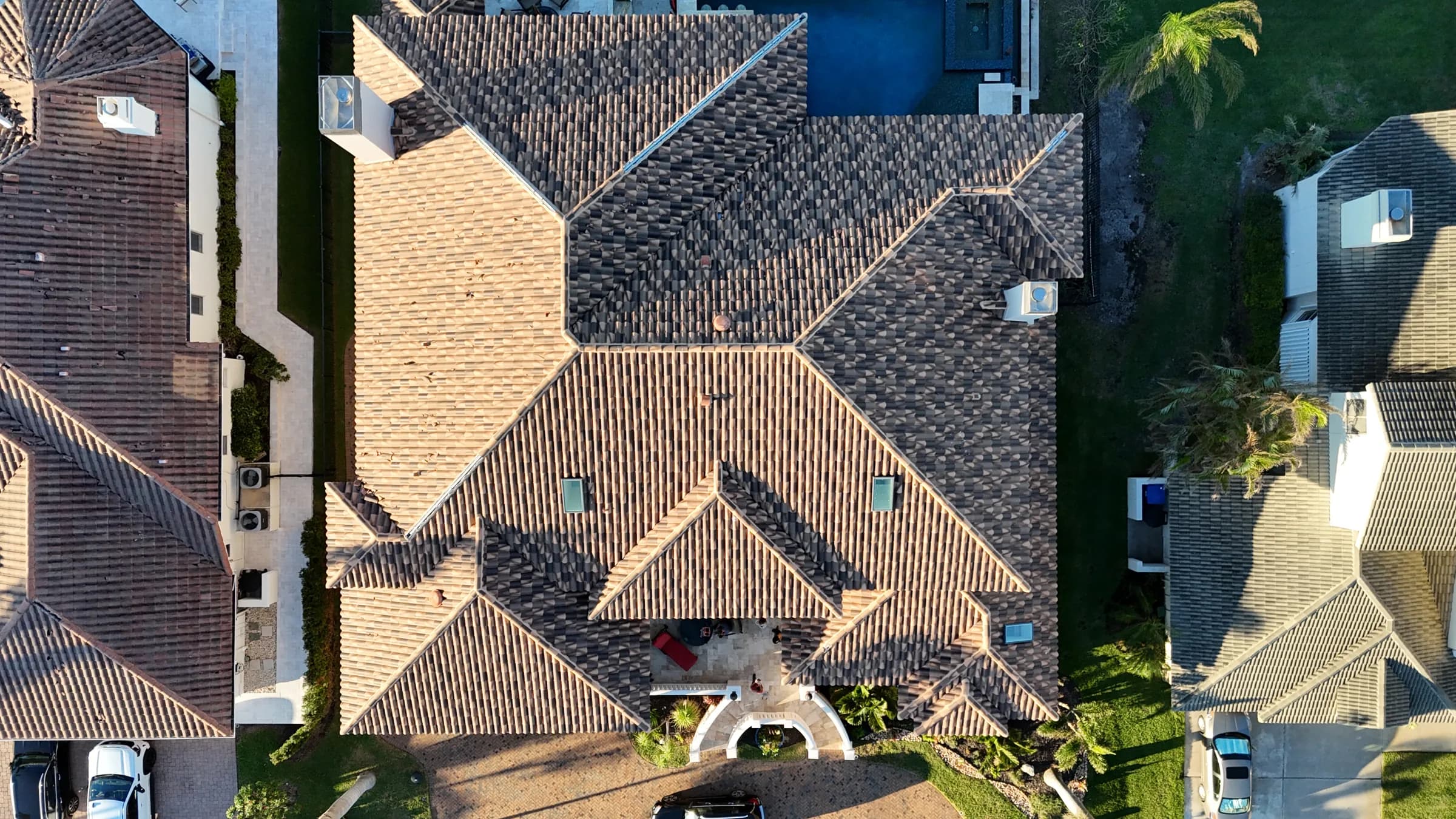
Verea clay S-barrel re-roof, St. Petersburg, FL
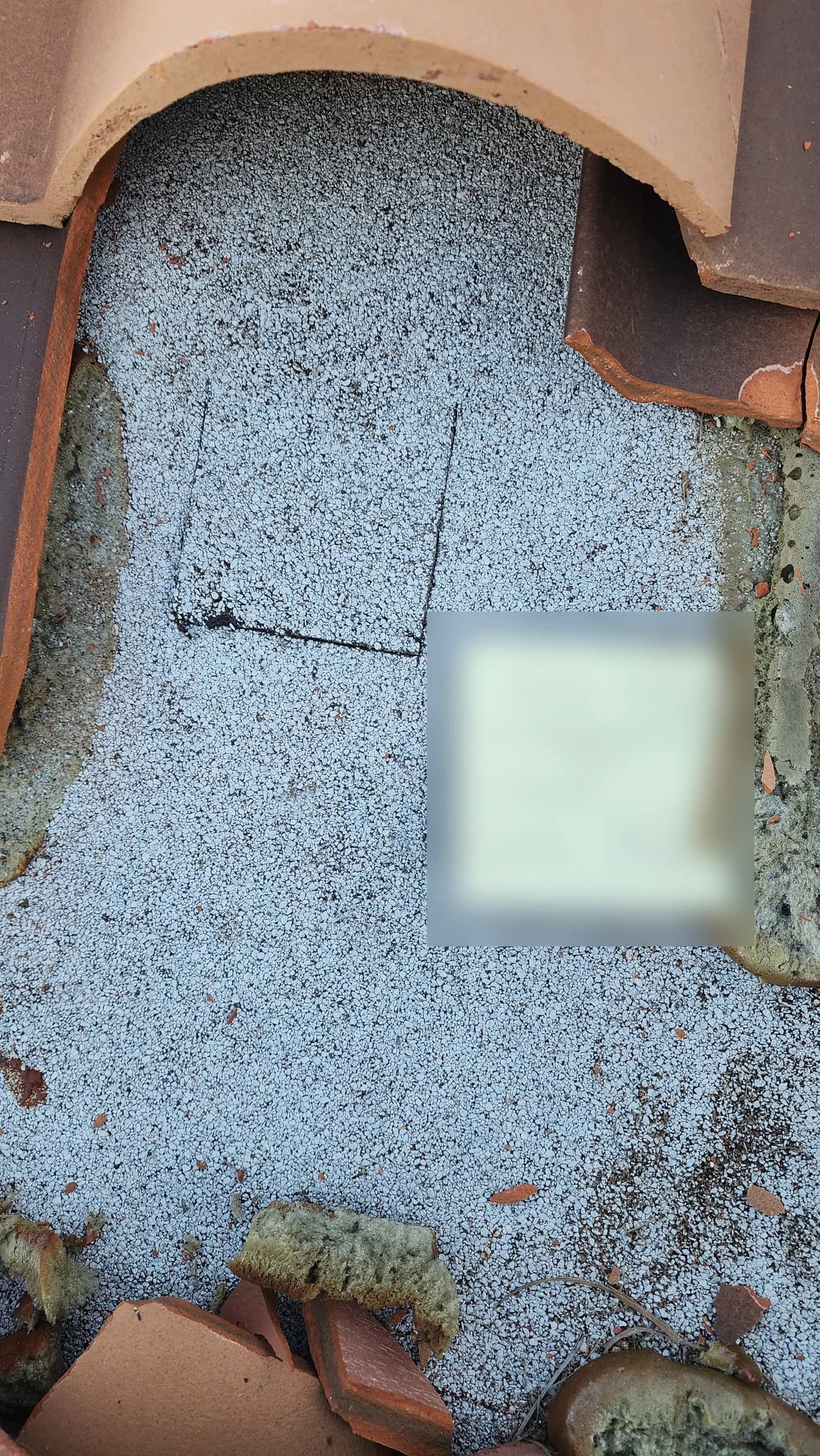
The existing clay tile roof, documented from above before replacement.
When the roof meets a situation
The questions that arrive with a situation rather than a leak: selling the house, a condo or HOA roof, solar panels at reroof, a flat roof that holds water, and the season calendar.
Reviewed August 21, 2026. General information from a roofing contractor, not legal or insurance advice.
Florida's leading disclosure case, Johnson v. Davis (1985), holds that a seller of a home who knows of facts materially affecting its value, which are not readily observable and not known to the buyer, has a duty to disclose them, and the defect in that very case was a concealed roof leak. Florida has no statutory general property-condition disclosure form; the duty comes from that case law. What it means for a specific sale is a question for a real estate attorney.
Two points the Florida Bar's own commentary makes about the standard: appellate courts have declined to find an "as is" contract exception to it, and the duty turns on the seller's actual knowledge. Chapter 689 of the statutes contains only subject-specific disclosures, property taxes, flood risk, and a few others, not a general condition form; the familiar seller's disclosure form in Florida practice is an industry document. For a roof, the practical translation is boring and useful: a documented inspection puts what is known about the roof in writing, for the seller and the buyer alike.
Sources: The Florida Bar Journal on Johnson v. Davis (floridabar.org) and Fla. Stat. chapter 689 (flsenate.gov). General information about a court-established standard, not advice about any transaction.
That is a pricing and negotiation decision for a seller and their agent, and the honest input to it is the roof's actual condition in writing. A documented inspection establishes what the roof has left, what a buyer's inspector will find, and what the permit history shows, which is the record both sides of the sale end up working from. Whether to replace, repair, credit, or disclose and sell as-is follows from that record, not from a rule.
The framework the site publishes for any roof applies unchanged here: repair, restore, or replace by the seven inputs, and the inspection question set that turns any contractor's report into something a buyer can check. On St. Petersburg's older housing stock the permit record matters twice, because it also decides how the 25 percent rule would treat the next owner's work; the rules page walks that.
The Florida Building Code requires low-slope roof coverings to be designed with a minimum slope of one-quarter inch per foot for drainage, and defines positive roof drainage as slope that still drains after the deck deflects under load. Ponding means that condition is not being met somewhere: a sagging deck, a blocked drain or scupper, or a roof built flat. On a reroof, the code does not require adding slope where the existing roof already drains positively.
So ponding is a diagnosis, not a verdict. The question a documented inspection answers is which cause is in play: an original design at the minimum that has lost its margin to deflection, drains and scuppers that need clearing, or a structural sag that no coating will fix. The code routes roof drainage design to the plumbing code's drainage chapter, which is why commercial reroof scopes talk about drains and overflow as part of the roof. The low-slope guide covers the systems that sit on top of a correctly drained deck.
Source: Florida Building Code, Building, chapter 15 roof assemblies (floridabuilding.org); the residential code carries the same minimum for one- and two-family dwellings.
In a Florida condominium, Fla. Stat. 718.113 makes maintenance of the common elements the association's responsibility, and the Condominium Act defines common elements as the condominium property not included within the units, which is where a building's roof ordinarily falls; the declaration governs the specifics, including any limited common elements assigned to owners. For a single-family home in an HOA, the declaration and covenants are where roof responsibility is assigned, so the documents answer it.
The practical pattern: condominium roofs are usually an association matter, budgeted and contracted at the association level, while a detached home in an HOA is usually the owner's roof with the association controlling appearance through its covenants. Townhome and villa communities are where people get surprised, because their documents often split roof responsibility in ways that are not obvious from the street. The declaration is the authority for any specific community, and a community association attorney is the right reader of it. For associations, the storm response playbook was written for exactly this role.
Sources: Fla. Stat. 718.113 (flsenate.gov) and Fla. Stat. 718.108 (flsenate.gov). General information about statutory structure, not advice about any community's documents.
Panels come off so the roof beneath them can be replaced, then go back on the new roof, which makes a reroof a coordination job between the roofing contractor and the solar installer, including the mounts that attach through the new covering. On the HOA question, Fla. Stat. 163.04 bars deed restrictions and associations from denying a property owner permission to install solar collectors; they may determine location on the roof within a southern orientation only where that does not impair the system's effective operation.
The sequencing matters for warranty and water: the roofing scope should state who removes and reinstalls the array, how the mounts are flashed into the new system, and which party's warranty covers the penetrations. An array on a roof near the end of its service is also a reason to replace the roof first rather than pay to remove and reinstall panels twice within a few years, which is a sequencing conversation the repair-restore-or-replace guide helps frame. Whether a particular association rule crosses the statute's line is a question for an attorney.
Source: Fla. Stat. 163.04 (flsenate.gov).
The Atlantic hurricane season runs June 1 through November 30, per the National Hurricane Center, which also notes that tropical activity sometimes occurs outside those dates. Roof preparation is calm-weather work that belongs before June: the roof inventory, dated baseline photos, vendors verified in advance, notices drafted, and a named-storm checklist ready to run the week a system is named.
The whole preparation sheet, and the active-storm sheet that follows it, are the first two documents in the printable toolkit. For the Tampa Bay reader, the storm record is the argument for doing it: four straight seasons delivered four different geometries, and the preparation is the same regardless of which one the next season brings.
Source: National Hurricane Center, tropical cyclone climatology (nhc.noaa.gov).
From the job files
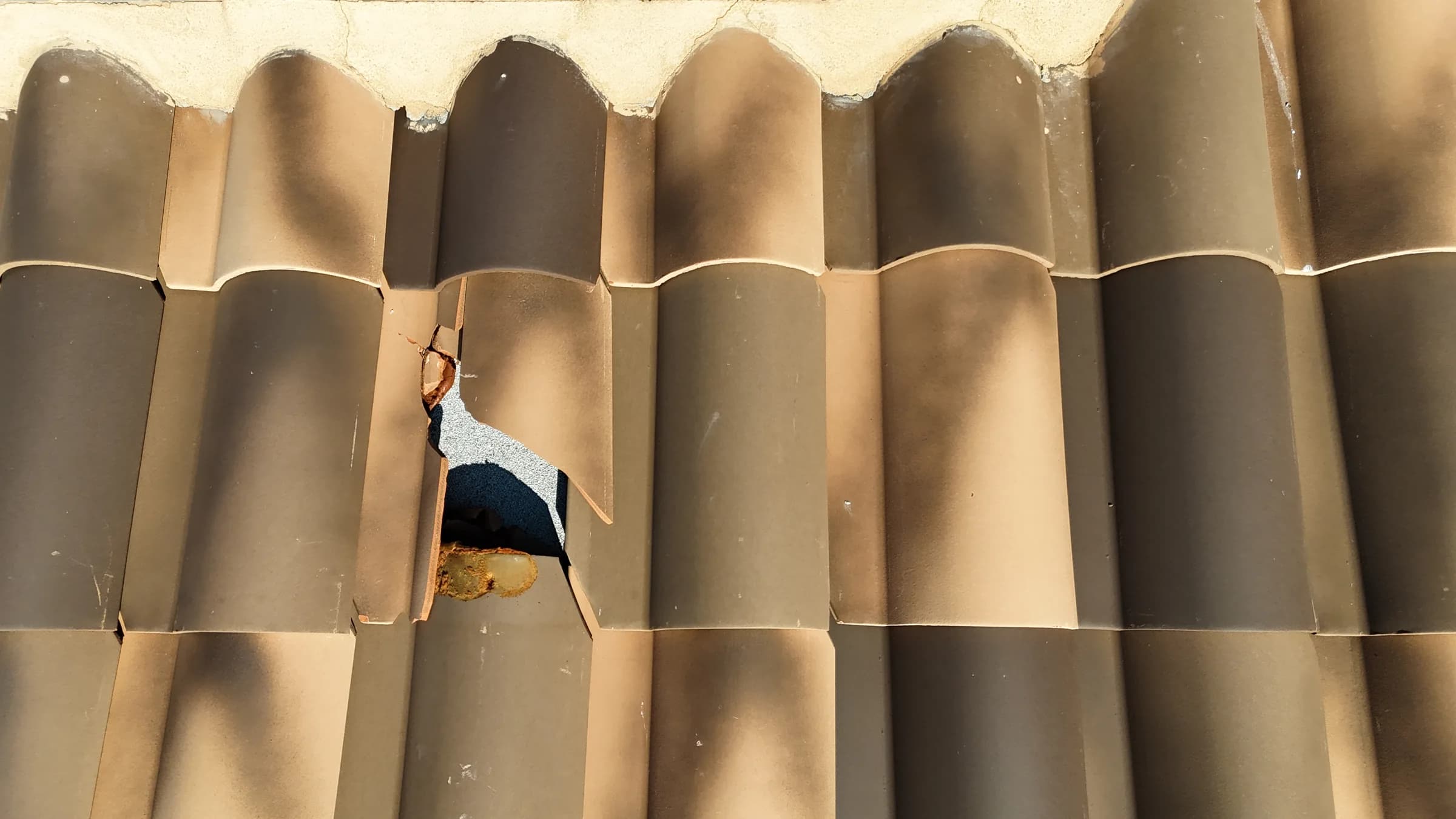
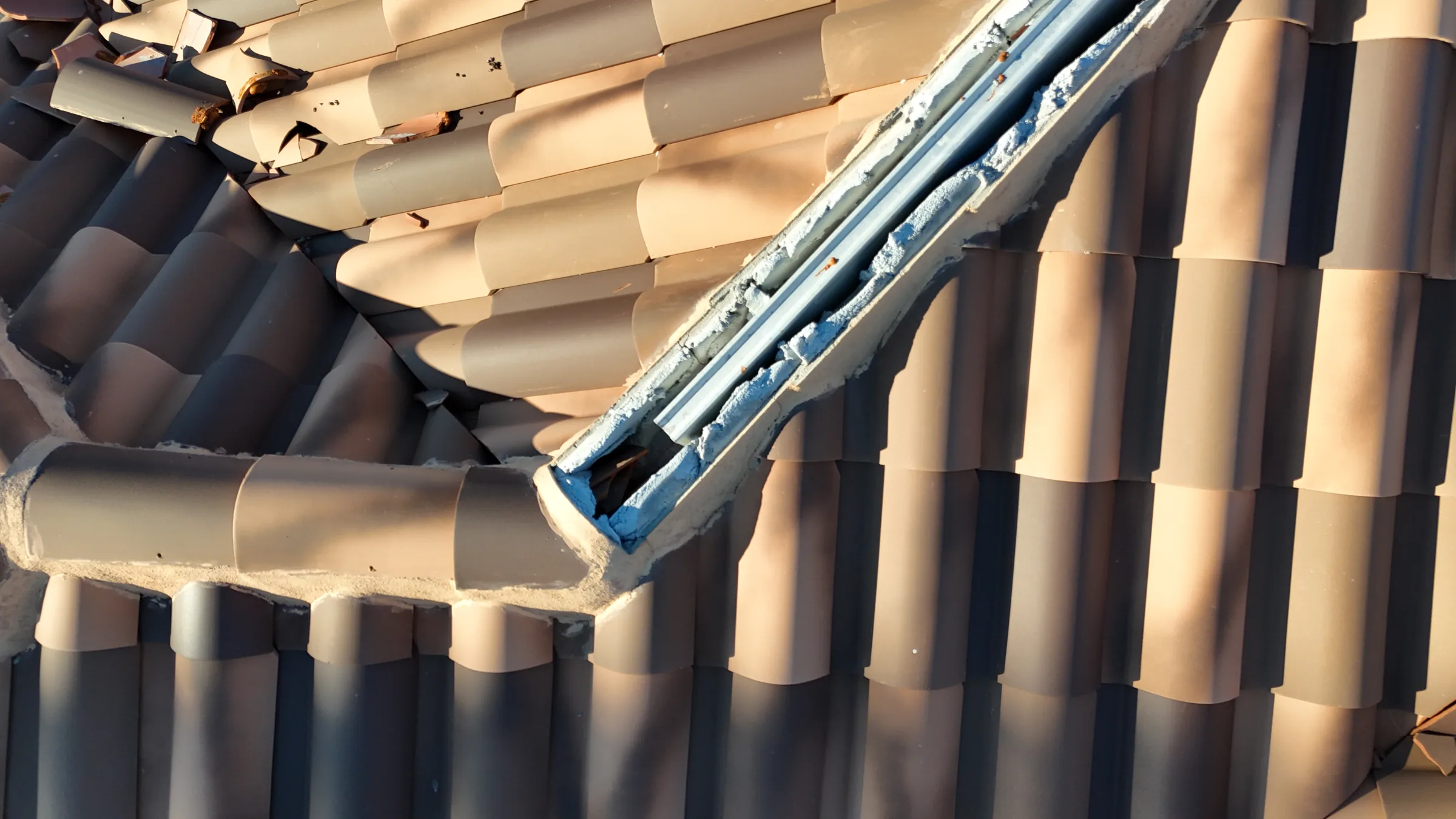
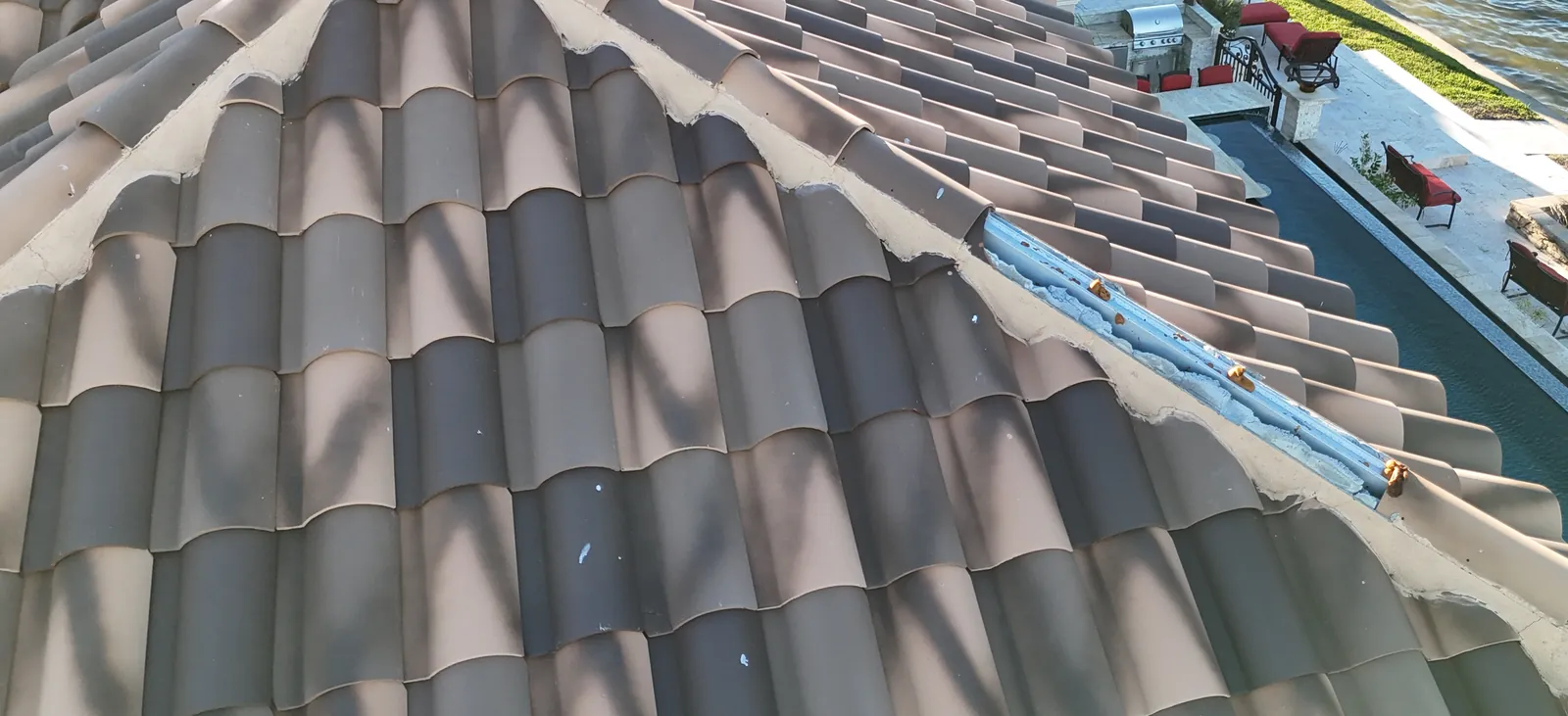
A St. Petersburg tile roof that started as a storm claim and finished as a full, documented replacement.
Tile · St. Petersburg, FL
1 / 8
St. Petersburg, FL
The existing clay tile roof, documented from above before replacement.
Keep going
The rules page carries permits and the 25 percent rule; the playbook carries the season's working documents.
When the situation needs a record
Selling, ponding, or preparing for the season, the useful first step is the same: a K. Simon Construction inspection documents what is actually up there, with photographs tied to findings, so every decision that follows starts from the record.