
Assembly
Deck or substrate, insulation, underlayment or membrane layers, attachment, and surfacing, specified as one assembly rather than a product name.
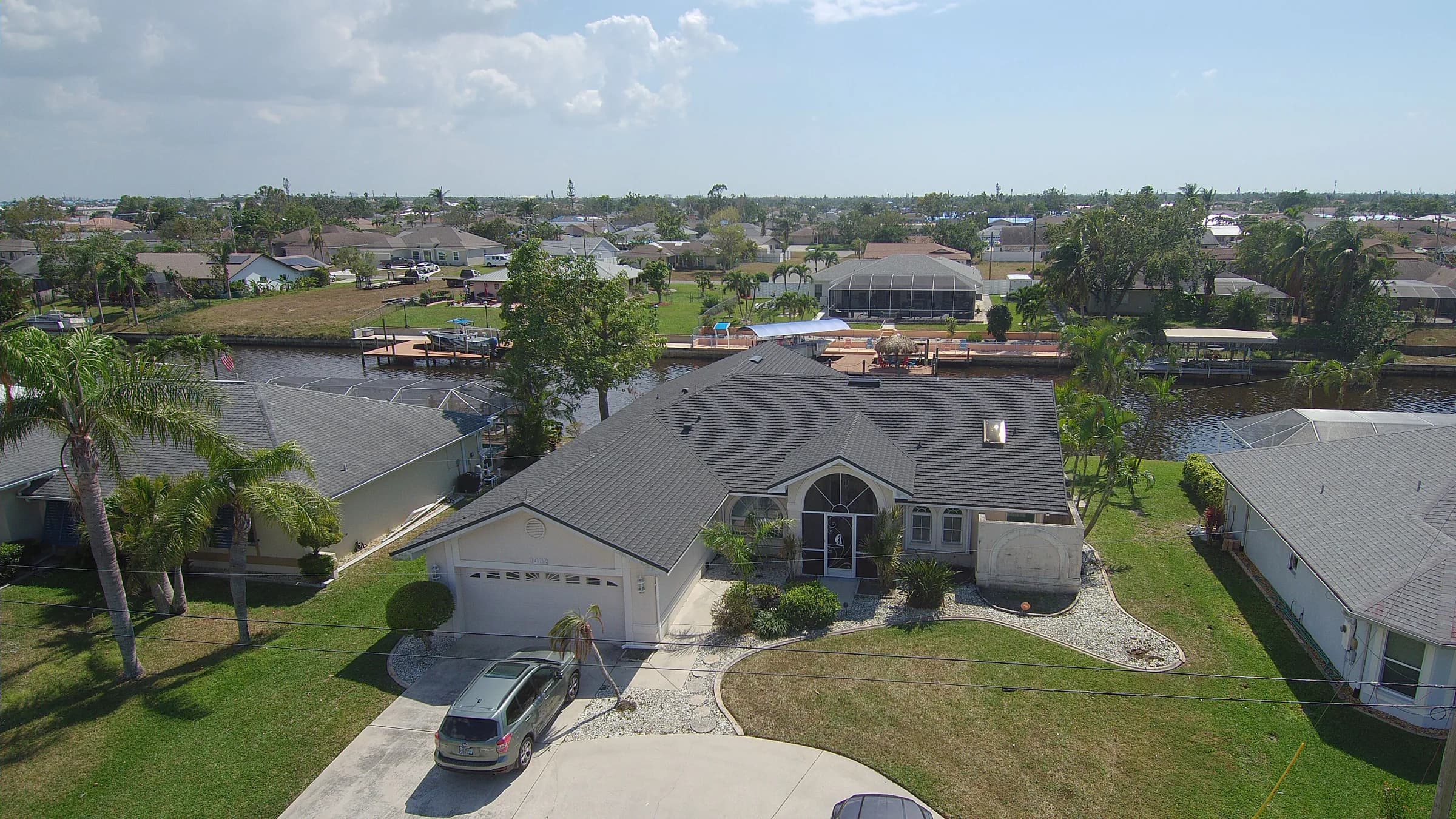
Lightweight metal · Roof system record
Steel panels or tiles finished with bonded stone granules to resemble tile, shake, or shingle at a fraction of tile or slate weight.
Best-fit context
Interlocking stone-coated steel panels combine a lightweight roof assembly with strong tested wind, impact, and fire performance. Product-specific systems commonly publish wind ratings around 120-150 mph, and many carry Class 4 impact and Class A fire classifications. The exact approval, fastening schedule, and warranty must be checked for the chosen product and building.
40-70 years typical industry range
Varies by climate, installation quality, detailing, and maintenance. A range starts the conversation; it is not a guarantee.
Deck or substrate, insulation, underlayment or membrane layers, attachment, and surfacing, specified as one assembly rather than a product name.
The conditions, measurements, and tests that determine whether this system actually fits the building.
Edges, penetrations, drainage, transitions, movement, and material compatibility: where roof performance is decided.
Photos, product records, inspection points, and maintenance guidance, delivered so the owner holds the evidence.
System anatomy
Stone-coated steel is a lightweight metal roof wearing the face of tile or shake. Its performance comes from an interlocking steel panel; its look comes from a bonded stone surface.
The sheathing the system attaches to, sound and properly fastened. Because the panels are light, many roofs can carry stone-coated steel without added structure, subject to deck condition, existing layers, and local code.
As with any metal roof, the underlayment beneath is rated for the heat metal holds and backs up the panels against wind-driven rain. It is the secondary barrier when water gets past the surface.
Depending on the system, panels install on battens that create the tile or shake shadow line and an air gap, or fasten directly to the deck. The method is specific to the product, and it is part of what the approval covers.
Panels or tiles with a steel core and a metallic coating, shaped to read as tile, shake, or shingle from the ground. They interlock course to course, which is central to how the system resists wind uplift and wind-driven rain.
An acrylic-bonded stone granule finish over the steel gives the roof its color and its matte, textured look, and it hides the oil-canning and denting that show on smooth metal. The granules are the finish; the steel is the structure.
Ridge, hip, rake, valley, and eave pieces engineered for that specific product, with hidden fastening at the headlap. Mixing brands or improvising these details is where interlocking systems start to leak.
Listed from the deck up. The interlock and the hidden fastening, not the stone you see, are what make this a storm roof.
What it does well
Stone-coated steel answers a specific want: the look of tile or shake without the weight of tile or slate.
The system gives a home the profile of tile or shake while weighing a small fraction of what tile does. That lightness is why some roofs can move to it without added structure, which tile could never do.
Panels overlap and interlock rather than simply lying in courses, which helps tested systems resist wind uplift and wind-driven rain. Paired with high impact ratings and Class A fire options, that makes the category a serious storm-zone choice.
The bonded stone granules hide the oil-canning and minor denting that show on smooth metal, so the roof keeps its intended look through hail and years of weather better than a bare metal panel would.
Where it fails
This is still a steel roof under the stone, so its weak points are the steel's weak points plus the granule surface.
The steel core is protected by its coating and the granules, but an unprotected cut edge or a scratch to bare metal can corrode, especially near salt air. Protecting cut edges and touching up damage is what keeps the substrate sound.
Like the granules on a shingle, the bonded stone surface slowly weathers over the roof's life, softening color and eventually needing touch-up or recoating. It is a long, gradual process, not a sudden failure.
Repairs made with another system's accessories, or panels walked on at the wrong point, cause the interlocks and flashings to leak or the panels to dent. The system is engineered as a set, and it fails where that set is broken.
Florida climate fit
This category was practically made for wind-borne-debris regions, provided the product approval and fastening match the site.
The combination of low weight and interlocking panels suits older framing and hurricane-zone uplift, and the impact rating helps against wind-borne debris and hail. The catch is that the specific product approval and fastening schedule must match the building's exposure, which is verified for the site.
It is steel, so salt air matters more than it would for tile. Cut-edge protection, the right coating, and compatible accessories are what let a stone-coated steel roof do well at the coast rather than streak and corrode.
The granule surface and, on batten systems, the air gap beneath the panels help with Florida heat, and reflective options exist. As with any metal roof, high-temperature underlayment is a given here.
Maintenance rhythm
Maintenance is light, and mostly about protecting the steel and using the right parts.
Check from the ground for displaced panels or accessories after strong wind, since the interlock and hidden fasteners are what hold the roof and are worth confirming stayed engaged.
Keep valleys clear of debris, protect any cut edges, and touch up scratches so the coated steel stays sealed, especially near salt air. Small attention here prevents the corrosion that a steel roof is otherwise vulnerable to.
Any repair uses the manufacturer's matching accessories, and anyone on the roof steps only on the supported points. Treating the system as the engineered set it is keeps the interlocks and flashings watertight.
Quality versus shortcut
With stone-coated steel, most of the quality question is whether the installer respected the product approval and its details.
A matched system installed to its approved fastening schedule for the wind zone, high-temperature underlayment, correct hidden headlap fastening, compatible accessories, cut-edge protection, and the proper battens where the system calls for them.
Mixing brands and accessories, face-fastening where hidden fastening is specified, ignoring the product approval for the exposure, skipping cut-edge protection at the coast, and walking panels where they are not supported.
Ask which product approval applies to your wind zone and how the panels are fastened. Because these ratings are product- and assembly-specific, a straight answer about the approved system is the sign the install will actually perform as the category promises.
Repair or replace
A well-installed stone-coated steel roof is mostly a repair story for a long time, with the finish setting the eventual timeline.
Displaced panels, damaged accessories, or a scratched edge are handled with matching parts on a roof whose steel is sound. Because the system is modular, damage tends to stay local.
Over the decades the granule finish is what softens, and touch-up or recoating renews the surface while the steel underneath keeps serving. The finish, not the panel, usually leads the aging.
Widespread corrosion from neglected cut edges, or panels damaged beyond matching, can push past repair. Even then the light weight means a new roof rarely raises a structural question.
How it ages
A rough picture of how a stone-coated steel roof tends to move through its typical 40 to 70 year range. Coastal exposure, coating quality, and installation move every stage.
Years 0-15
Finish is crisp and the interlocks are doing their job. Early trouble, if any, traces to an installation or accessory detail rather than wear.
Years 15-30
The granule surface matures with a slight change in color, and sealant at penetrations reaches its first renewal. The steel and interlocks remain sound.
Years 30-50
The finish becomes the life-driver, with touch-ups and the occasional accessory refastened. Cut-edge care over the years shows its value here.
Years 50-70
Recoating or selective panel work renews a roof whose steel substrate is often still serviceable when the coating was maintained.
These are general aging patterns for the system, not a schedule. Climate, installation quality, and maintenance move every date, which is why service life is written as a range.
Strengths and limitations
Stone-coated steel is a strong choice when the client wants the look of tile, shake, or shingle without the weight of tile or slate. It is lightweight enough that some roofs can be re-roofed without added structure, subject to deck condition, existing layers, local code, and the selected system.
Panels overlap and interlock, which helps tested systems resist wind uplift and wind-driven rain. That makes the category well suited to coastal and hurricane-zone work when the exact product approval and fastening pattern fit the site.
Many products carry high impact ratings for hail and Class A fire classifications as complete roof assemblies. Those ratings are product- and assembly-specific, not a blanket promise that every panel or installation performs the same way.
The upfront cost is generally higher than asphalt shingles, and panel interlocks, flashings, fasteners, accessories, and cut-edge protection are system-specific. Repairs should use compatible panels and an installer familiar with that system.
Manufacturers often publish long limited warranties, but coverage for finish, wind, hail, transfer, and coastal exposure varies. The written warranty for the selected product controls, not a category-level claim.
Decision questions
These are the conditions an inspection verifies before this assembly is worth recommending. If one fails, the recommendation changes.
Product approval and fastening schedule for the building's wind exposure
Deck condition, existing layers, and whether a code-compliant re-roof is feasible
Interlocking panel, hip, ridge, valley, and penetration details
Coastal corrosion protection, cut edges, and compatible accessories
FAQ
The questions owners and facility managers actually ask about this system, answered plainly.
Often the light weight makes that possible, but it depends on the deck condition, any existing layers, local code, and the selected system, so it is confirmed by inspection rather than assumed. The category is genuinely lightweight, which is a real advantage over tile, but a code-compliant re-roof still has to be verified for the specific building.
From the ground, convincingly so, which is the point of the granule surface and the panel profiles. Up close it reads as what it is, a stone-coated steel panel, but at normal viewing distance it gives a home the profile of tile or shake at a fraction of the weight.
The bonded granule surface hides minor denting better than smooth metal, and many products carry high impact ratings for hail as complete assemblies. The granules do weather slowly over the roof's long life, but that is a gradual softening addressed by touch-up or recoating, not the granule loss that signals a shingle roof is ending.
It can be a strong choice, because the panels interlock and the system is light, and many products publish high wind ratings. The important qualifier is that those ratings are product- and assembly-specific, so the approval and fastening schedule for your wind exposure have to be matched to the building rather than taken as a blanket promise.
It is steel under the stone, so salt matters more than it would for tile. With the right coating, protected cut edges, and compatible accessories, a stone-coated steel roof does well at the coast, but neglecting cut edges and scratches is what lets corrosion start. Coastal detailing is part of the specification, not an afterthought.
Keep going
Where to go next, whether you are picking a profile and color or weighing this against tile and standing seam.
Render metal and tile-look colors on a photo of your own roof.
Open
Weigh a lightweight tile look against real tile and standing seam metal.
Open
A rough measurement to frame a budget conversation.
Open
How storm damage is documented on interlocking metal systems.
Open
The light upkeep that protects a stone-coated steel roof.
Open
System review
An inspection documents the deck, drainage, and details this decision depends on, then the options get explained against the building in plain language.