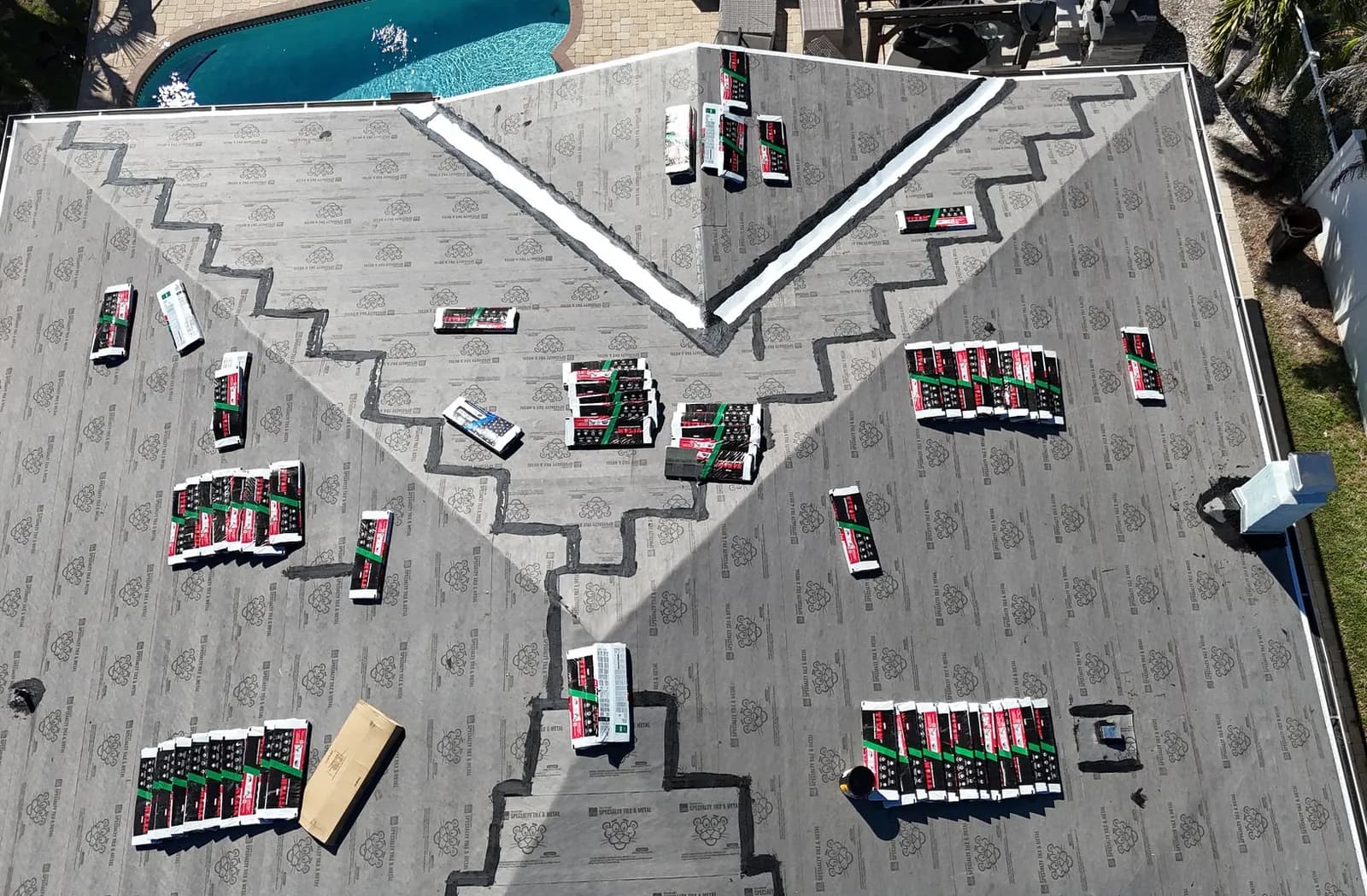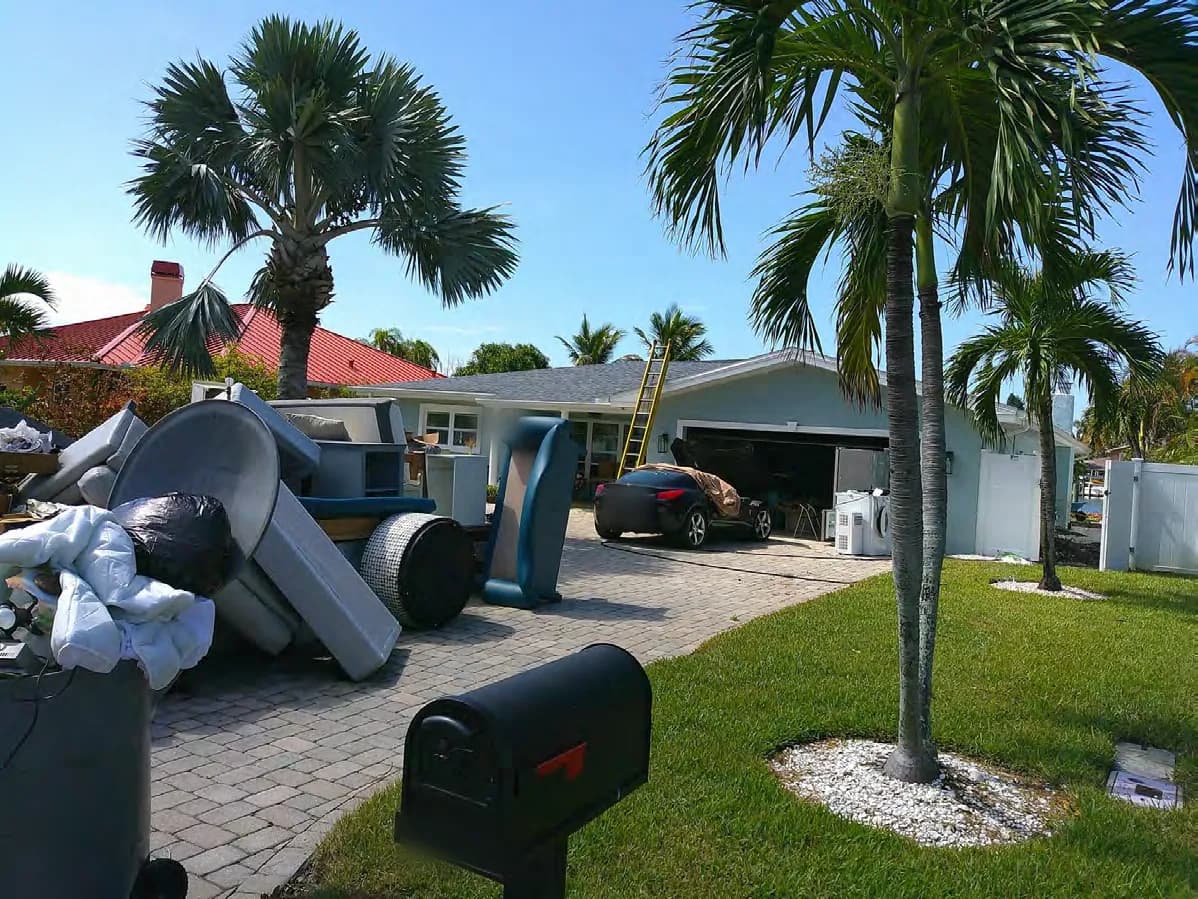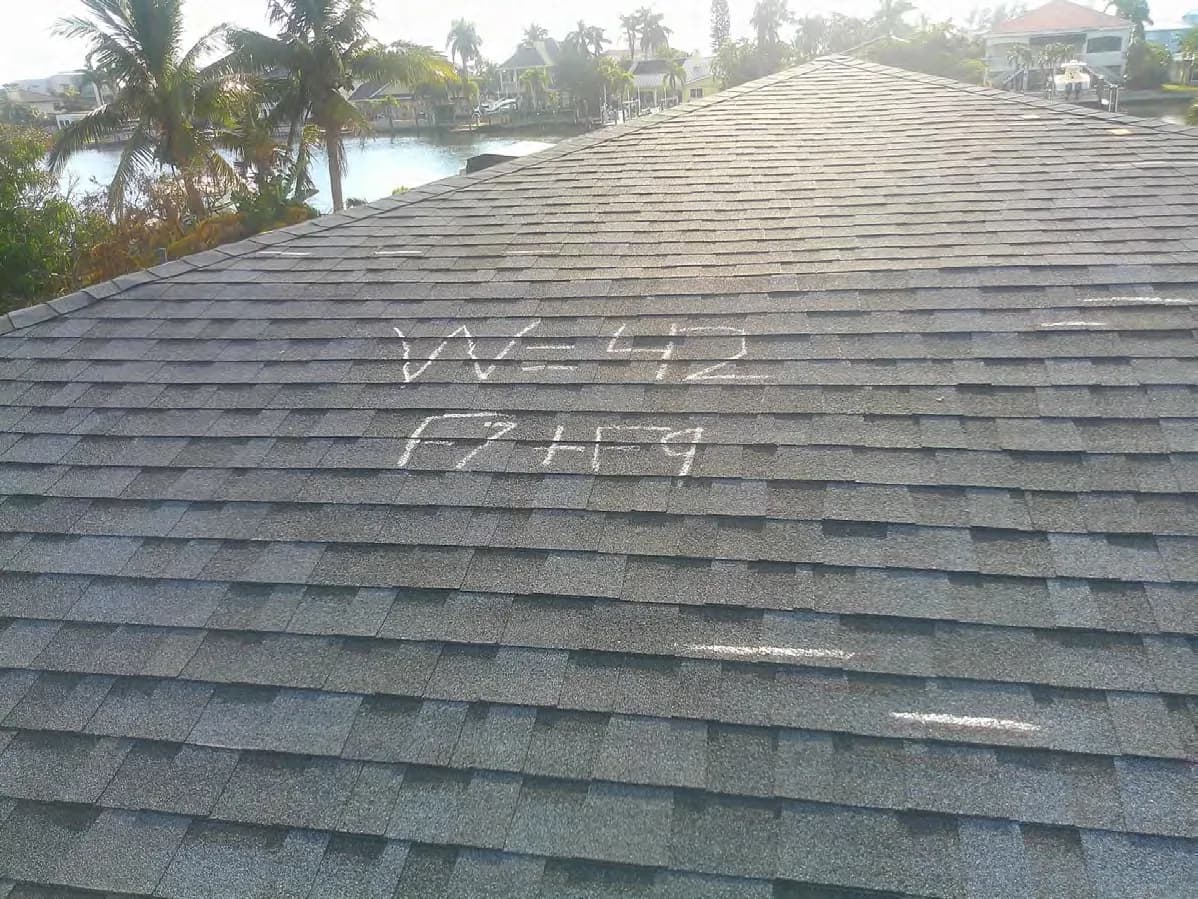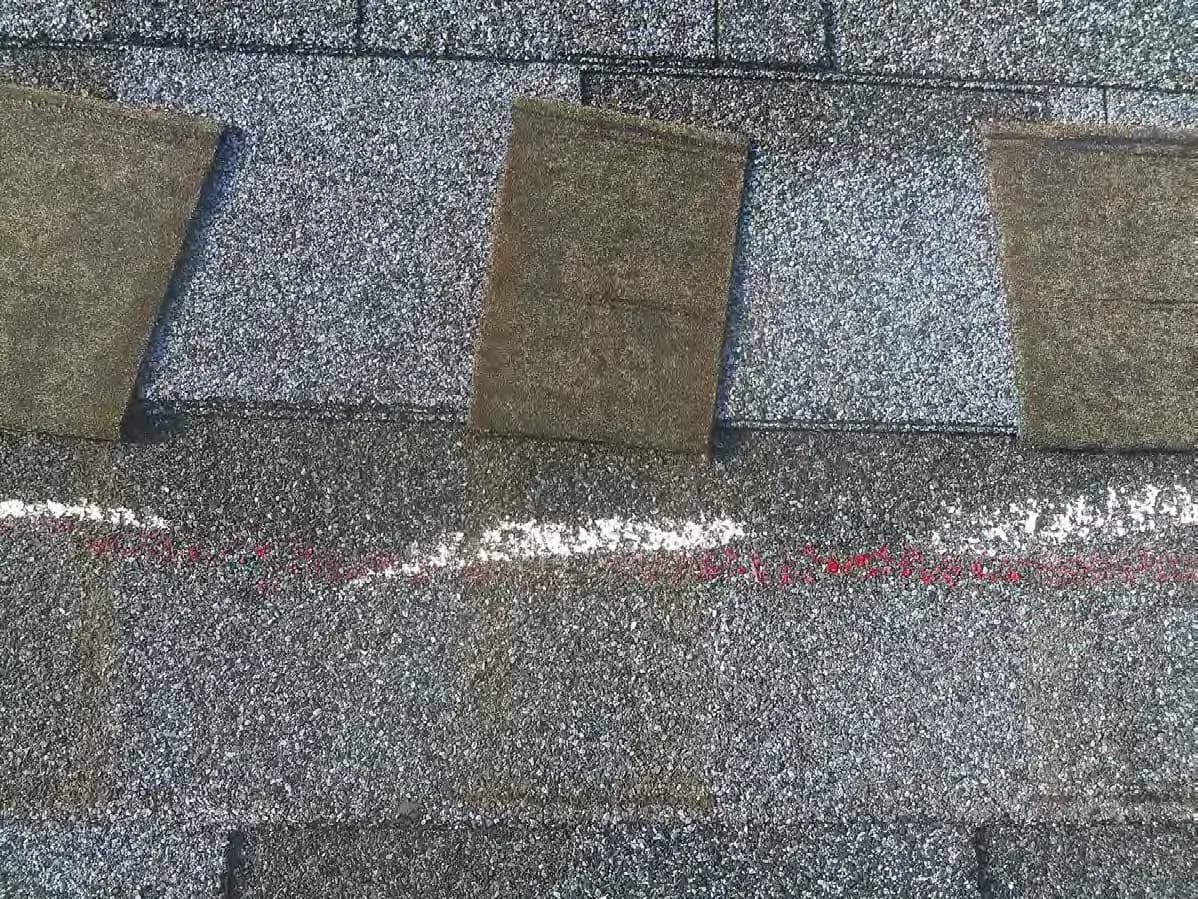
Playbook, for property managers and associations
The storm response playbook
What to do about the roofs in the first 2 hours, the first 24, the first week, and the first 30 days after a storm hits a multifamily property, an association, or a commercial building. Written to be used without calling anyone, by the people responsible for buildings and the tenants inside them.
Reviewed August 14, 2026. General framework, not legal or insurance advice: policies differ, and whether damage is covered is always the insurer's decision under the policy.
Phase 0
Before the storm: the hour you buy now
Storm response is decided before the storm. Every item here is cheap in a calm week and expensive to improvise in a wet one.
- Build the roof inventory. One line per building: covering type, approximate age, last inspection date, known problem areas, and roof access notes. A portfolio manager who can answer "which buildings have 15-year-old shingle roofs" the morning after a storm triages in minutes instead of days.
- Capture the baseline. Dated wide photos of each roof and elevation in good weather, filed where the storm-day team can reach them. Post-storm documentation is twice as persuasive next to a pre-storm baseline of the same views.
- Pre-qualify vendors now. Verify license and insurance for a roofer, a plumber, and a water-mitigation firm before you need them, using the verification steps in this playbook. The worst time to vet a contractor is while water is coming through a ceiling and the parking lot is full of out-of-state trucks.
- Draft the tenant notices in advance. Two templates: "we are aware and assessing" and "here is the repair plan and timeline." Filling in blanks under pressure beats composing under pressure.
- Know the policy basics. Deductibles, named-storm provisions, and notification requirements vary by policy. Knowing where the policy documents are and who the broker contact is belongs on the pre-season checklist; interpreting them belongs to the insurer and your broker.
- Check the public storm record for your addresses. A five-year lookback of reported hail and wind near each property, from the public record, is context worth holding before the next event. The storm history tool does this in seconds.
Phase 1: hours 0 to 2
Life safety first, then stop the loss from growing
Nothing on a roof matters until people are safe. The first two hours are triage, not repair.
- People before property. Account for tenants and staff, treat downed power lines and smell-of-gas situations as emergency calls, and keep everyone off roofs and away from hanging debris, standing water near electrical equipment, and damaged structures. Emergency management guidance is unambiguous: post-storm injuries frequently happen during the assessment, not the storm.
- Walk the ground, not the roof. A perimeter walk from stable ground identifies most urgent conditions: displaced covering visible from below, roofing material in the parking lot, water on interior ceilings. Ground-level observation is a management skill; roof access is a contractor task with fall protection.
- Triage by water, not by looks. Active interior water entry outranks dramatic-looking exterior damage that is not letting water in. Rank buildings by what is getting wet.
- Start the log. A running dated note of what was observed, decided, and called in, from hour zero. This log becomes the backbone of the claim file and the answer to every "when did you know" question that follows.
- The do-not list. Do not put staff on roofs. Do not sign anything presented at the door in the first afternoon. Do not discard damaged material before it is photographed. Do not promise tenants timelines nobody has scoped yet.
Phase 2: hours 2 to 24
Document before cleanup, then mitigate
The first day decides the quality of every record the property will hold about this storm.
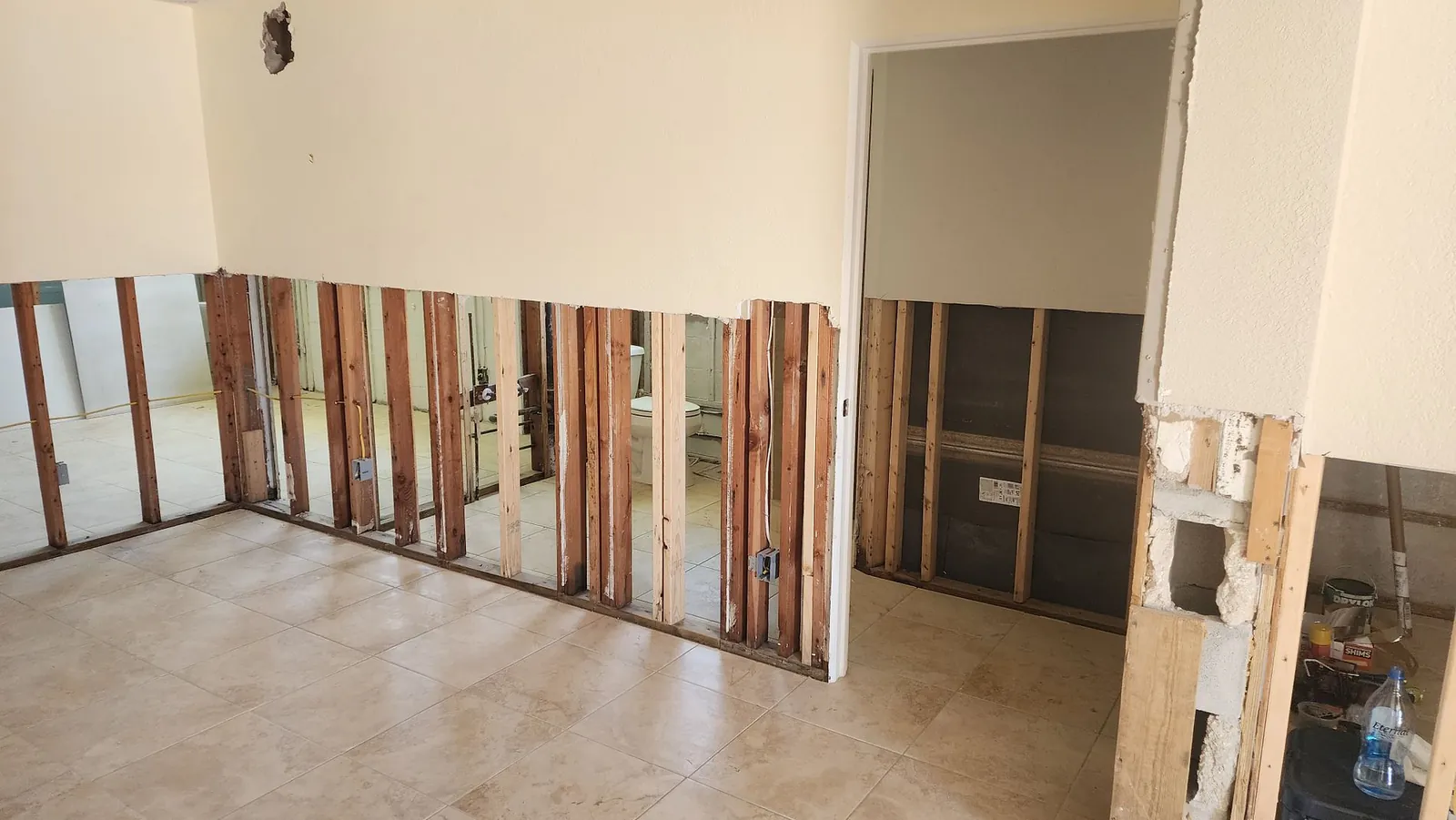
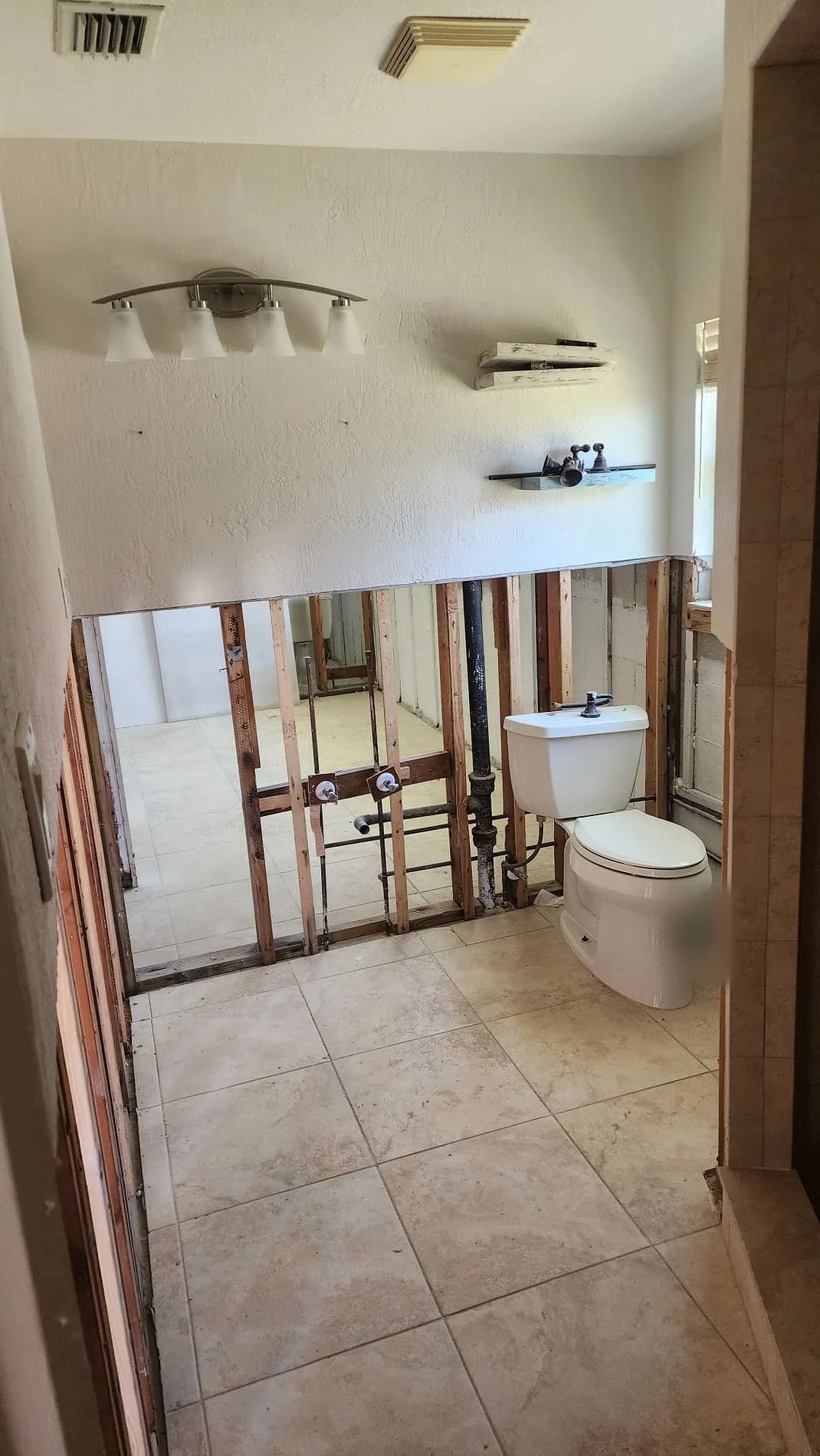
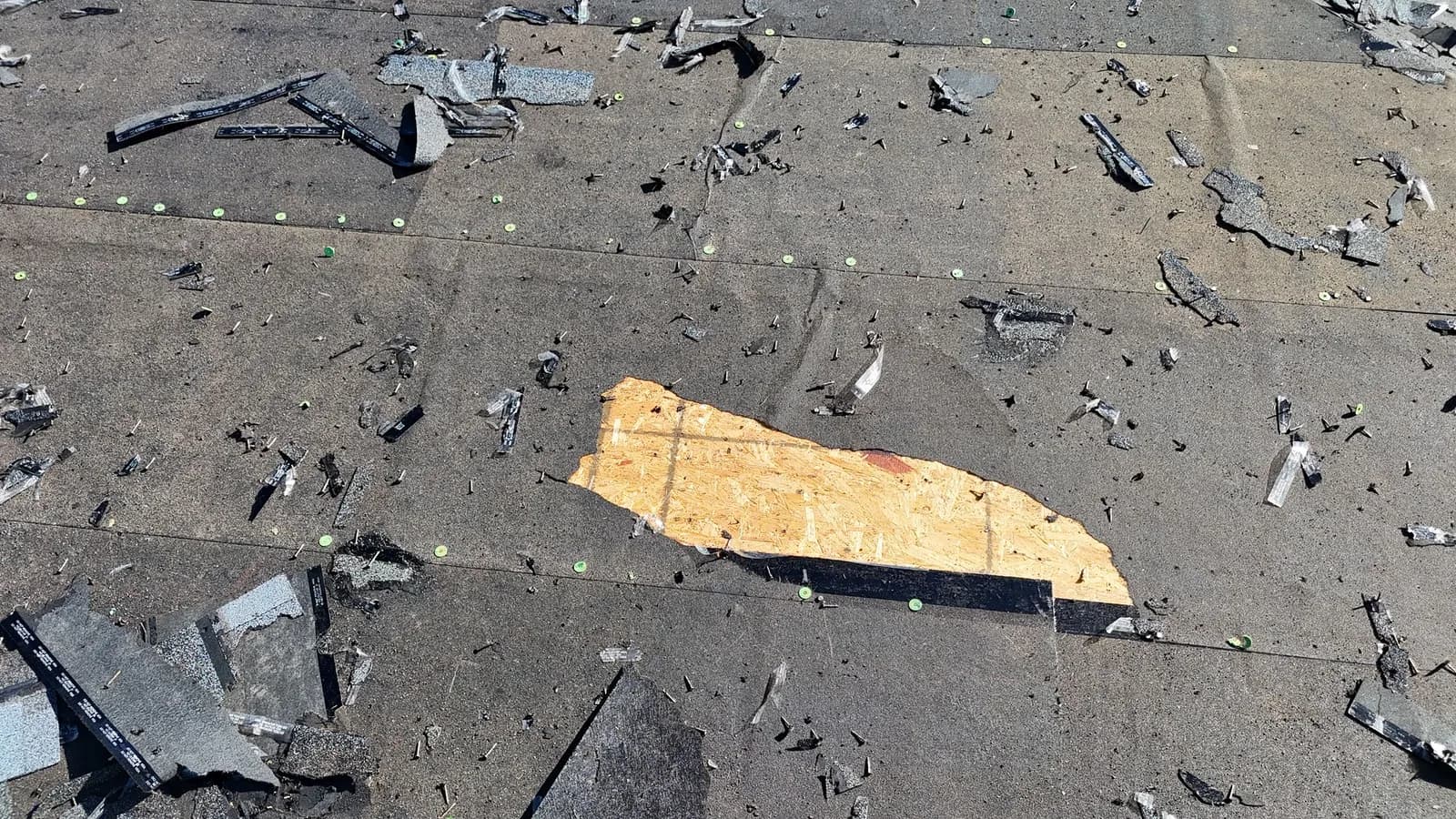
- Photograph as found, wide to tight. For each building: the whole elevation, then the damaged area in context, then the detail, so every close-up can be placed on the property. Include interior ceilings and walls where water appeared, with something dated in the record. Photograph BEFORE debris is moved or tarps go on. The documentation tool structures this checklist and the sample inspection report shows what the professional version looks like.
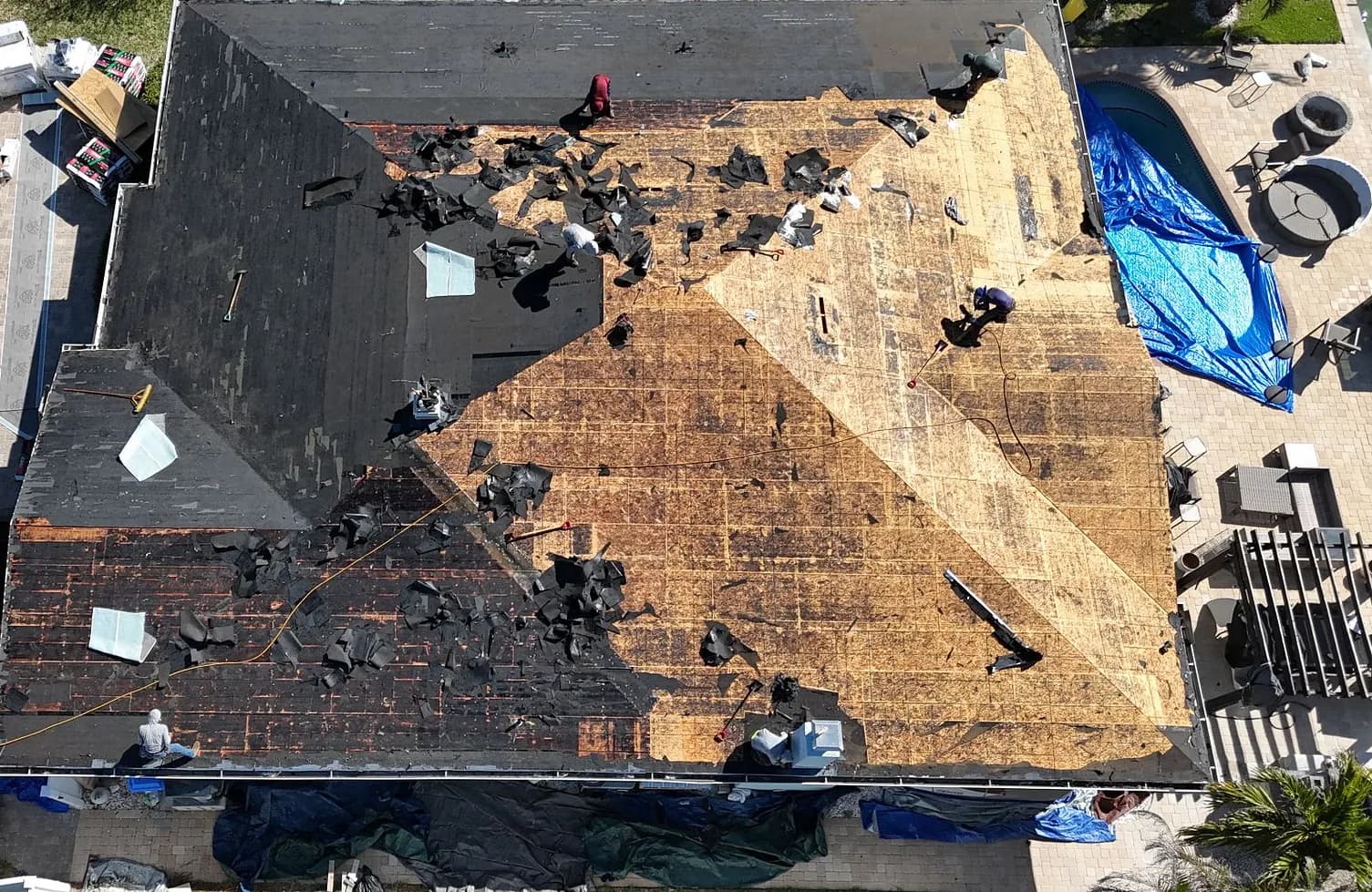
- Mitigate to stop further damage. Temporary covering over active entry points, water extraction started, wet contents moved. Most property policies expect reasonable steps to prevent further damage; mitigation is protection, not repair, and it should be documented like everything else. Emergency tarping is a professional task on anything beyond trivial access. How emergency tarping works.
- Notify on day one. The carrier or broker per the policy's notice terms, and tenants with the first template: what happened, what is being done now, how to report unit-level damage. Silence is what turns a wet week into a reputation problem.
- Collect tenant damage reports in one channel. One inbox or form for unit reports, each answered with what to photograph and whether to move contents. Twenty scattered phone messages is how a wet unit gets missed.
Phase 3: days 1 to 7
Dry it, verify everyone, and get the real scope
The week the property either takes control of the process or loses it to whoever knocks first.
- Treat moisture as its own emergency. Professional drying guidance treats the first day or two as the window that matters: wet drywall, insulation, and flooring that sit wet become a larger and less insurable problem than the roof opening that let the water in. Moisture assessment and drying run in parallel with the roof work, never after it.
- Verify every vendor before they touch the building. The full checklist is the next section. The one-sentence version: licensed, insured, physically real, willing to be looked up, and never asking for the claim itself.
- Commission a documented inspection per building. What was physically examined, photographs tied to each finding and location, and a written recommendation. That record is what the carrier conversation, the board conversation, and the budget conversation all run on. An aerial estimate can size the roof; only the documented inspection establishes its condition.
- Separate mitigation scope from permanent scope. Tarps and drying are one workstream with its own paper trail; the permanent roof scope is another, developed from the inspection record. Mixing them is how permanent work gets priced under emergency pressure.
- Meet the adjuster with the file. The dated log, the as-found photos, the mitigation record, and the inspection reports. A property that hands over an organized file has a very different claim experience than one narrating from memory. The decision remains the insurer's; the file is what makes it an informed one.
Phase 4: days 7 to 30
Permanent scope, equal bids, and the closeout file
The storm ends twice: once when the water stops, and once when the records are complete.
- Compare bids on equal scope, never on the headline number. Same deck assumptions, same underlayment and flashing details, same edge metal, permits, disposal, and warranty terms. A bid that is cheaper because it quietly excludes flashing work is not cheaper. The inspection question set doubles as a bid-leveling sheet.
- Permits and inspections are features, not friction. Permitted work with passed inspections is what the building can prove later, at sale, at refinance, and at the next claim. A contractor who suggests skipping permits is volunteering to disappear from the record.
- Sequence tenants around the work. The second template goes out: the plan, the schedule, parking and noise expectations, and who to contact. On occupied multifamily work, communication is as much of the job as the roofing.
- Close the file. Completion photos of the same views the storm photos used, the signed-off permit record, material and workmanship warranties, final invoices against scope, and the carrier correspondence. File it with the roof inventory from Phase 0, which this event just updated.
- Run the retrospective. Thirty minutes with the team: what the property learned about its roofs, its vendors, its tenant channel, and its own playbook. The next storm inherits this one's lessons.
The gate every contractor passes, or does not
Vendor verification, in five lookups
After every storm, real contractors and storm chasers arrive in the same trucks. The difference is checkable in fifteen minutes.
- License, looked up by you. Ask for the state license number and check it on the state licensing portal yourself (in Florida, the DBPR license search at myfloridalicense.com). Confirm the license class covers roofing and the name matches who you are dealing with.
- Insurance, certificate in hand. General liability and workers' compensation, with the certificate naming the contractor you are hiring. Uninsured crews on a roof are the property's risk, not theirs.
- A physical, findable business. A real address, a history under the same name, references from projects like yours that you may call. Manufacturer certification directories (GAF, Owens Corning, CertainTeed) are independent places a contractor's standing can be confirmed.
- Nobody gets the claim signed over. Be wary of anyone leading with an assignment of benefits, a same-day signature, or a guaranteed claim outcome. Whether damage is covered is the insurer's decision; no contractor controls it, and the honest ones say so.
- The documentation test. Ask what their inspection produces. If the answer is not a written record with photographs tied to findings and locations, keep looking. A contractor who documents well works well; the two habits come from the same place.
The through-line of the whole playbook
The documentation standard
Every phase above produces records because records are what a property actually holds when the trucks leave.
The standard is simple to state: dated, located, and layered. Dated, so the sequence of events is provable. Located, so every photo can be placed on a building and an elevation. Layered, wide to tight, so context and detail travel together. It applies to the manager's ground-level record on day one and to the professional inspection that follows, and it is the difference between a claim file and a folder of pictures.
What the professional version looks like is not a secret: the sample inspection report shows a documented inspection page by page, and the storm restoration process shows where that record fits in the larger sequence. K. Simon builds carrier-ready documentation as a standing practice: that is a statement about record quality, not about claim outcomes, which belong to the insurer.
FAQ
Questions property managers ask after a storm
Should the roof be cleaned up before the insurance carrier sees it?
Does a nearby hail or wind report prove the roof was damaged?
What should a property manager ask a roofer who shows up after a storm?
How fast does drying need to start after water gets in?
What records should the property keep when the storm work is done?
For writers, boards, and researchers
Sources and citing this playbook
The framework above is built from standing public guidance and field practice. For the underlying public sources, start with the Federal Emergency Management Agency (fema.gov) and Ready.gov for preparedness and post-storm safety, the National Weather Service (weather.gov) for storm and hurricane safety guidance, the Florida Division of Emergency Management (floridadisaster.org) for state-level preparedness, the Insurance Institute for Business and Home Safety (ibhs.org) for property resilience research, and the Florida DBPR license portal (myfloridalicense.com) for contractor verification. Public storm reports referenced by the storm history tool come from the National Weather Service record; the tool methodology page documents exactly how.
To cite this playbook: "The Storm Response Playbook for Property Managers, K. Simon Construction, ksimon.com/resources/storm-response-playbook/." Section anchors are stable and safe to deep-link. Reviewed August 14, 2026; substantive changes bump the date. Reuse with attribution is welcome; questions reach the team at (888) 669-7663 (888-NOW-ROOF).
Limitations: this is a general operational framework. It is not legal advice, not insurance advice, and not a substitute for the policy's own terms or for professional inspection of a specific building. Whether damage is covered is the insurer's decision under the policy.
When the portfolio needs eyes on roofs
A documented assessment, building by building.
Multifamily, association, and commercial roof assessments with the documentation standard this playbook describes: what was examined, photographs tied to findings, recommendations in writing. Commercial work runs nationwide.