
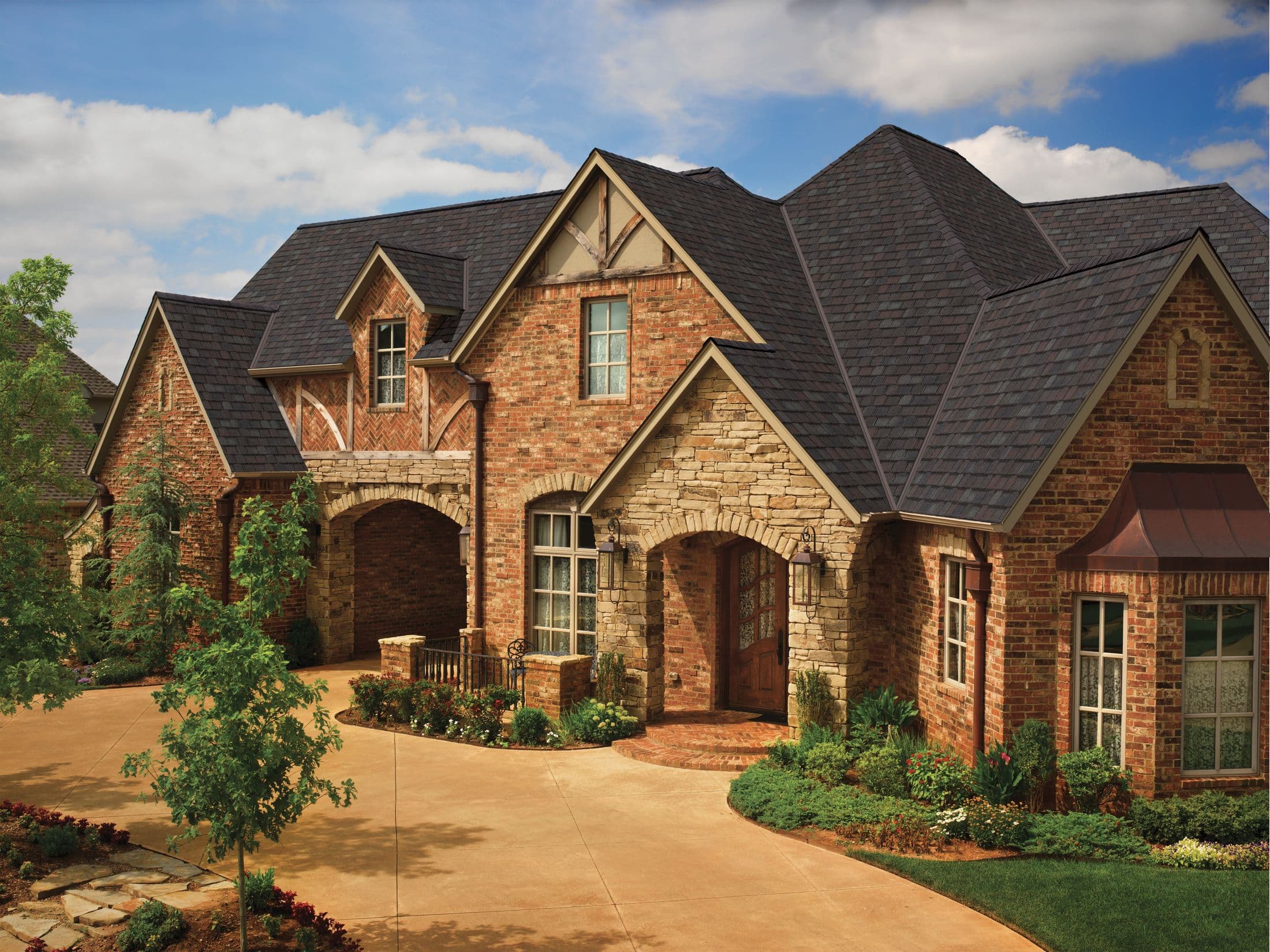
Home with designer laminated architectural shingles

Residential · Replacement

Roof replacement planned around the complete roof assembly

Roof replacement is the full rebuild of the roof assembly (deck check, underlayment, flashing, ventilation, and the visible system) for roofs where repair no longer earns its cost. It is for homeowners who want a transparent plan and a line-item scope, not a single mystery number and a dumpster in the driveway by Friday.

The scope

What a complete replacement covers

Bids differ because scopes differ. A proposal that skips any of these hasn't found a saving; it has hidden a cost. Use this list on every bid you collect, including ours.

  • Deck inspection and repair plan

    The new roof is only as good as what it's fastened to. The scope states how decking is checked after tear-off and how repairs are priced if rot or damage appears.
  • Underlayment and water protection

    The membrane layer is the real waterproofing plan, including enhanced protection at eaves, valleys, and penetrations where climate and code call for it.
  • Ventilation, balanced

    Intake and exhaust that work together. Unbalanced ventilation cooks shingles from below and feeds attic moisture, and it's a routine omission in cheap scopes.
  • Flashing replaced, not reused

    New roof, old flashing is a false economy. The scope states what gets replaced at chimneys, walls, valleys, and penetrations, in writing.
  • The visible system

    Shingles, metal, tile, slate, or synthetic: selected for the house, climate, structure, and how long you plan to own it, with the tradeoffs on the table.
  • Protection and cleanup

    Landscaping, siding, driveway, and pool covered before tear-off; magnetic sweeps for fasteners after. The yard should not remember the project.

The project

How a replacement runs

  1. Inspection and measurement

    The condition gets documented and the roof measured. Replacement is confirmed as the right call, or you're told it isn't.

    You receive: A written condition report and a recommendation you can check against it.

  2. Scope and proposal

    Every assembly component, spelled out line by line, including how hidden-condition changes will be handled.

    You receive: A line-item proposal you can compare against any other bid.

  3. System selection

    Material options that fit the house are compared on suitability, maintenance, appearance, and warranty requirements, without a favorite being pushed.

    You receive: A system decision you made with the tradeoffs visible.

  4. Tear-off and deck check

    The old roof comes off and the decking is inspected in the open. Anything unexpected is photographed and priced before work continues.

    You receive: Photos of what your roof actually looked like underneath.

  5. Installation and quality control

    The assembly goes on in order (deck, underlayment, flashing, ventilation, surface), checked against the scope as it's built, not just at the end.

  6. Cleanup and closeout

    Site cleared and swept, work verified against the scope, and the record handed over.

    You receive: A closeout package: photos, as-built scope, and the documentation for the installed system.

Decision guidance

Tear-off or overlay: what each one really costs

Installing new shingles over old ones is cheaper on the day. Here is what that price buys and what it hides.

Tradeoffs between full tear-off and overlay re-roofing
ConsiderationFull tear-offOverlay
The deckInspected in the open: rot and damage found and fixed now.Never seen. Whatever is wrong under there gets sealed in for another roof cycle.
Weight and heatOne roof's load and normal shingle temperatures.Two roofs' weight on the structure, and the top layer runs hotter over the old one.
Details and flashingFlashings rebuilt to the new assembly.Details bridged over old material, the most common overlay failure point.
Code and future costClean baseline for the next reroof.Building codes commonly cap layer count, and the next project pays to remove both roofs.
Price todayHigher: the labor and disposal are in the number.Lower today; the difference is deferred, not deleted.

There are roofs where an overlay is a defensible short-horizon call. The point is that it should be a decision made with the tradeoffs visible; the inspection tells you whether your roof is one of them. And if the condition doesn’t justify replacement at all, targeted repair is the recommendation you will get.

Straight talk

What can change after tear-off

No one can see through a roof. Here is how the unknown gets handled so it never becomes a surprise invoice.

Once the old roofing is off, the deck occasionally shows things the inspection couldn’t reach: rotted sheathing around an old leak, undersized repairs from a previous owner, framing that needs attention. This is normal, and the process for it is fixed in the proposal before the project starts.

Work pauses, the condition is photographed, the change is priced in writing, and you approve it before anything extra happens. Nothing gets covered over quietly, and nothing extra gets billed without your signature.

Material choices are handled the same way, in the open. The roof system comparisons spell out where each option performs and what it demands, so the selection step starts from information rather than preference.

Design tool

Try colors on a photo of your own roof

The roof visualizer renders manufacturer shingle, metal, and tile colors on a photo of your house as a design concept. It narrows the shortlist before the sample boards come out.

Open the roof visualizer

Replacements on record

What a documented replacement looks like

Real replacements from our project records, with the client's details blacked out. The facts come from measurement reports, material orders, and completion paperwork, including what tear-off exposed.

Tile · Residential

Verea clay S-barrel re-roof, St. Petersburg, FL

System installed
Verea Clay S Barrel, Fume mix, over 2-ply self-adhered modified bitumen
Service line
Roof replacement, tile off and tile on
Market
St. Petersburg, FL
Scale
69 squares across 27 facets

Problem. Hurricane Milton damaged all 27 facets of this clay tile roof on October 9, 2024. The aerial measurement recorded 69 squares of tile, 407 feet of hips, and 161 feet of valleys.

Result. A Verea Clay S Barrel roof in the Fume mix over Polyglass MTS Plus and TU Plus, with 477 linear feet of mortar-bedded hips and ridges and 515 feet of clay bird stops. The Certificate of Completion was signed April 3, 2026.

Read the full case study

Shingles · Residential

Shingle roof and flooded interior rebuilt after a hurricane

System installed
TAMKO Titan XT laminated shingles, six nails each, over ice and water shield across the entire deck
Service line
Roof replacement and interior flood restoration
Market
Treasure Island, FL
Scale
43 squares ordered; 3,989 sq ft of deck re-nailed

Problem. On September 26, 2024, hurricane winds tore into the shingle roof of a single-story waterfront home and the same storm pushed flooding through the entire main level. Every room took water.

Result. TAMKO Titan XT shingles fastened with six nails each, mastic at the eaves, rakes, valleys, and gable ends, and the 224 feet of seamless gutters reinstalled intact rather than replaced. Inside: 568 linear feet of flood cut, 72 sheets of drywall, a rebuilt kitchen, ten new interior doors, new vanities and trim, and prime and paint through the whole home. The roof's Certificate of Completion was signed February 26, 2025.

Read the full case study

FAQ

Replacement questions

How do I choose between shingles, metal, tile, and the rest?

Start with what the house allows: slope, structure, and climate exposure narrow the field fast. Then weigh maintenance appetite, appearance, and ownership horizon. The roof systems pages compare the options side by side, and the proposal walks the finalists for your specific roof.

Do you reuse existing flashing?

Our default is replacement: flashing is cheap next to the roof and catastrophic when it fails. Where an existing component genuinely justifies keeping (some masonry counterflashing, for example), the scope names it explicitly, so nothing is reused by silence.

What happens to my landscaping and driveway?

Protection goes down before tear-off begins (plants, siding, AC units, and anything below the eaves), and cleanup includes magnetic sweeps for nails and fasteners. Site protection is a line in the scope, not a favor.

How are change orders handled?

In writing, before the work. If tear-off exposes a hidden condition, you get photos and a priced change to approve or decline. The proposal states this process up front, so the rules exist before anyone needs them.

What do I get when it's done?

A closeout package: photos of the finished assembly and key stages, the as-built scope including any approved changes, and the documentation that applies to your installed system. It belongs with the house documents, and it makes every future roof conversation shorter.

Start with the building

Start with the assembly, not a sales pitch

Request an inspection and find out what your roof needs. Replacement stays on the list only if the evidence says so.

Call now Inspection