
Metal · St. Petersburg, FL
1 / 8
St. Petersburg, FL
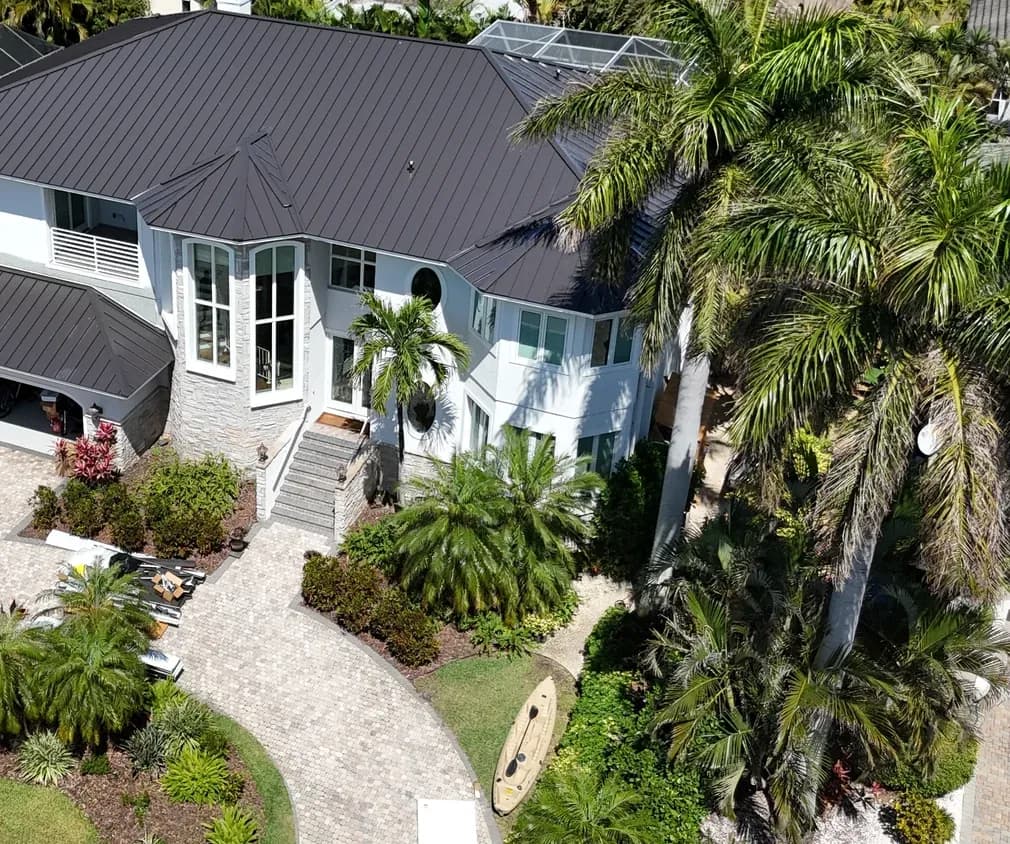
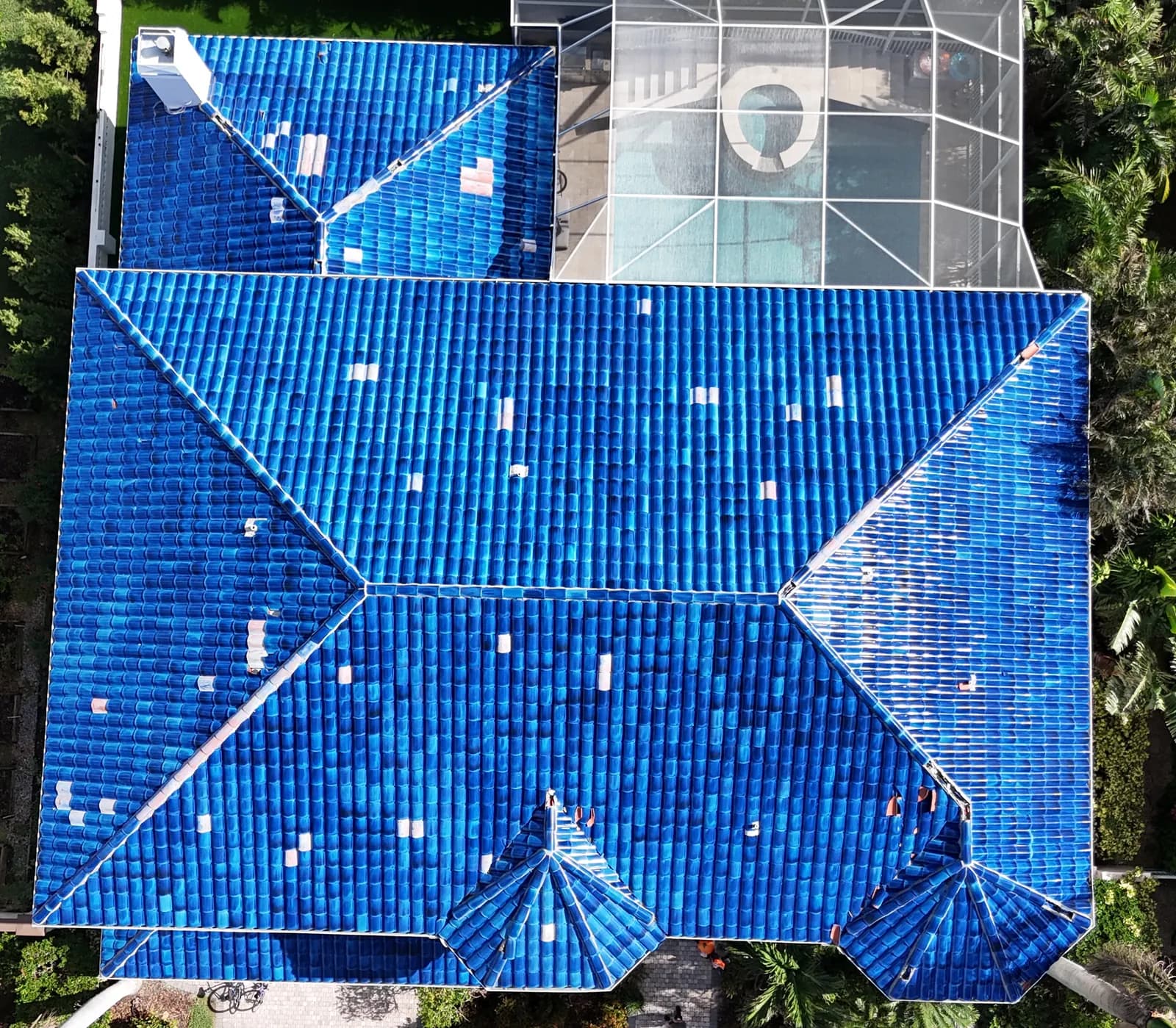
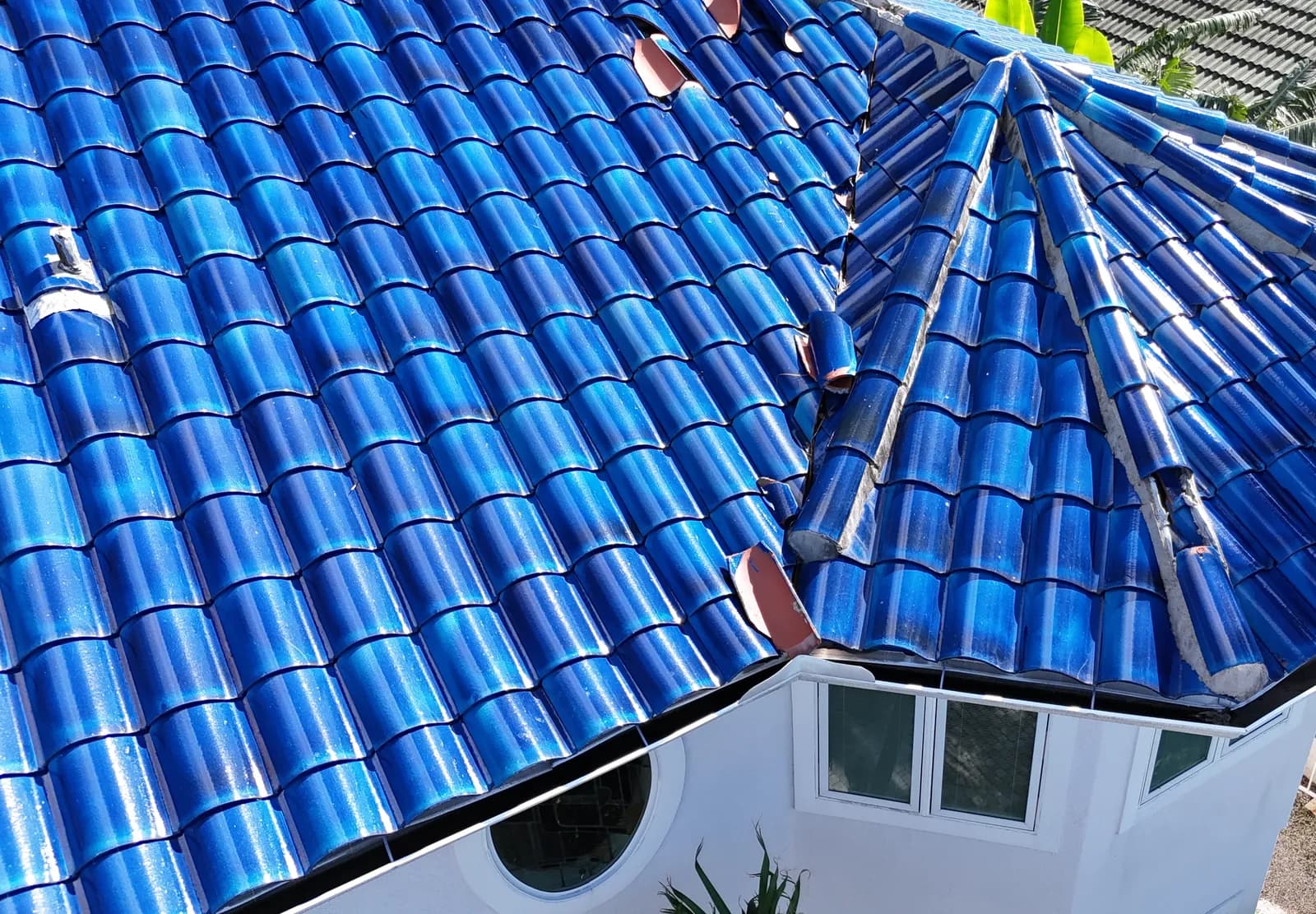
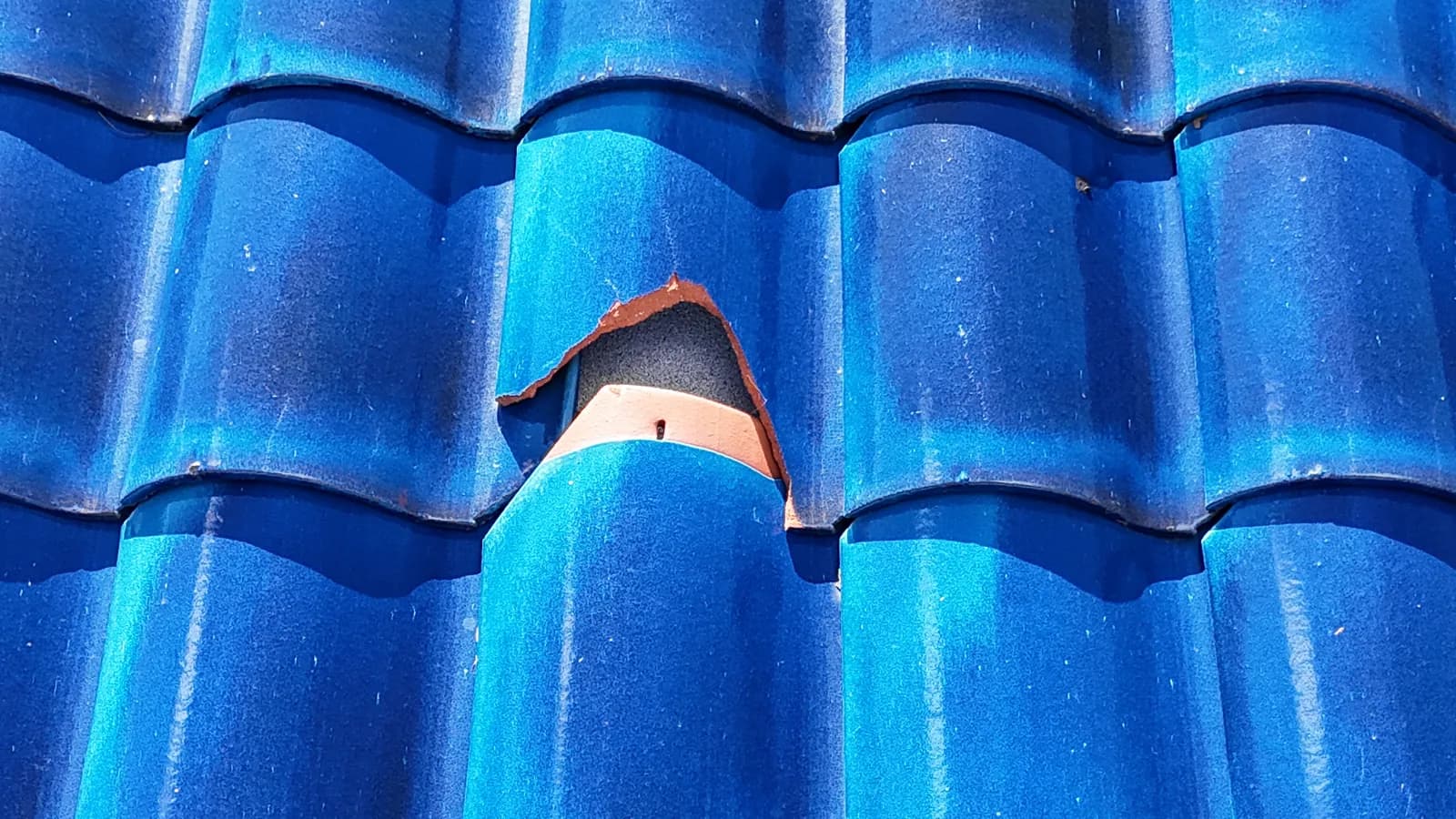
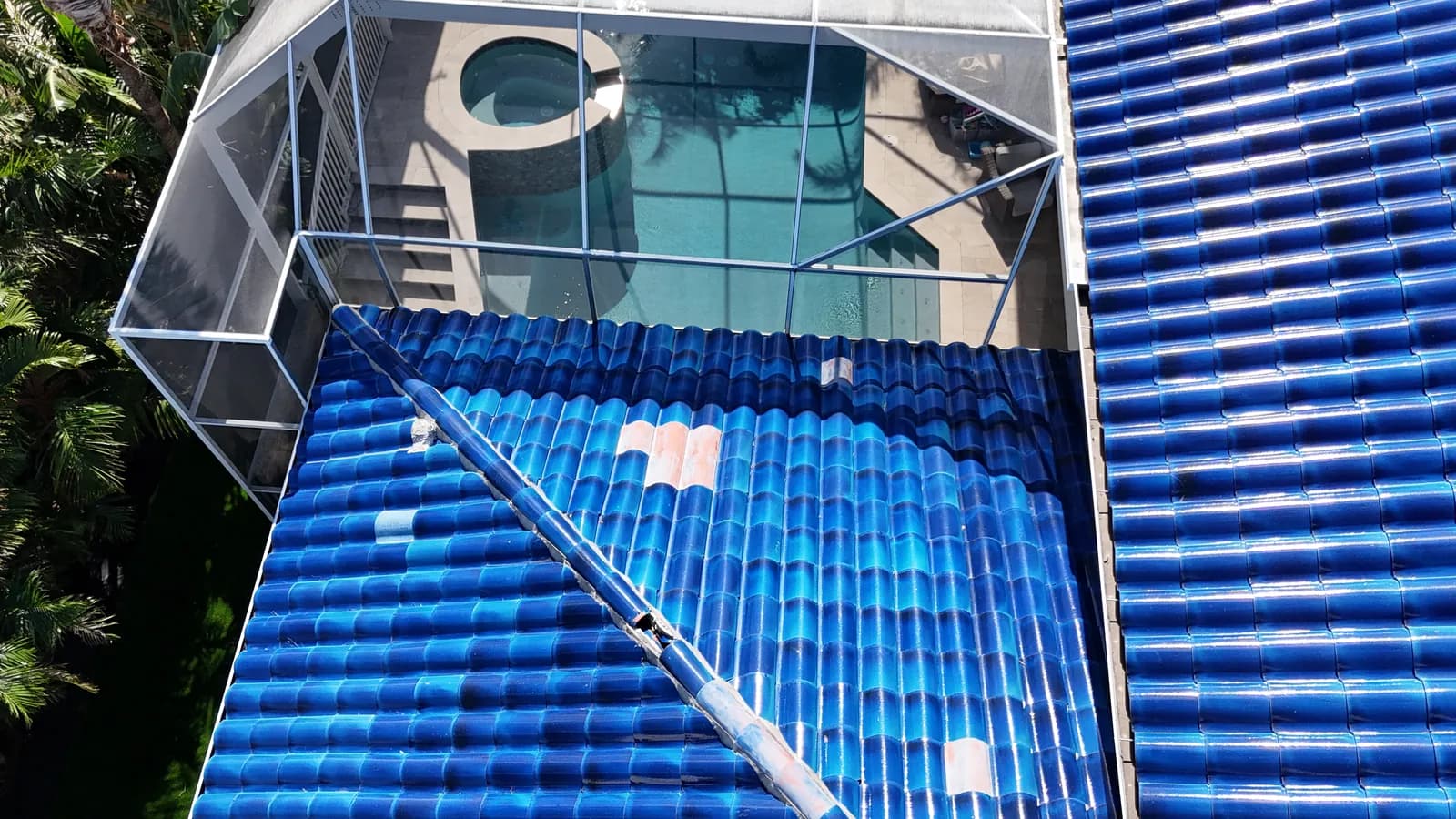
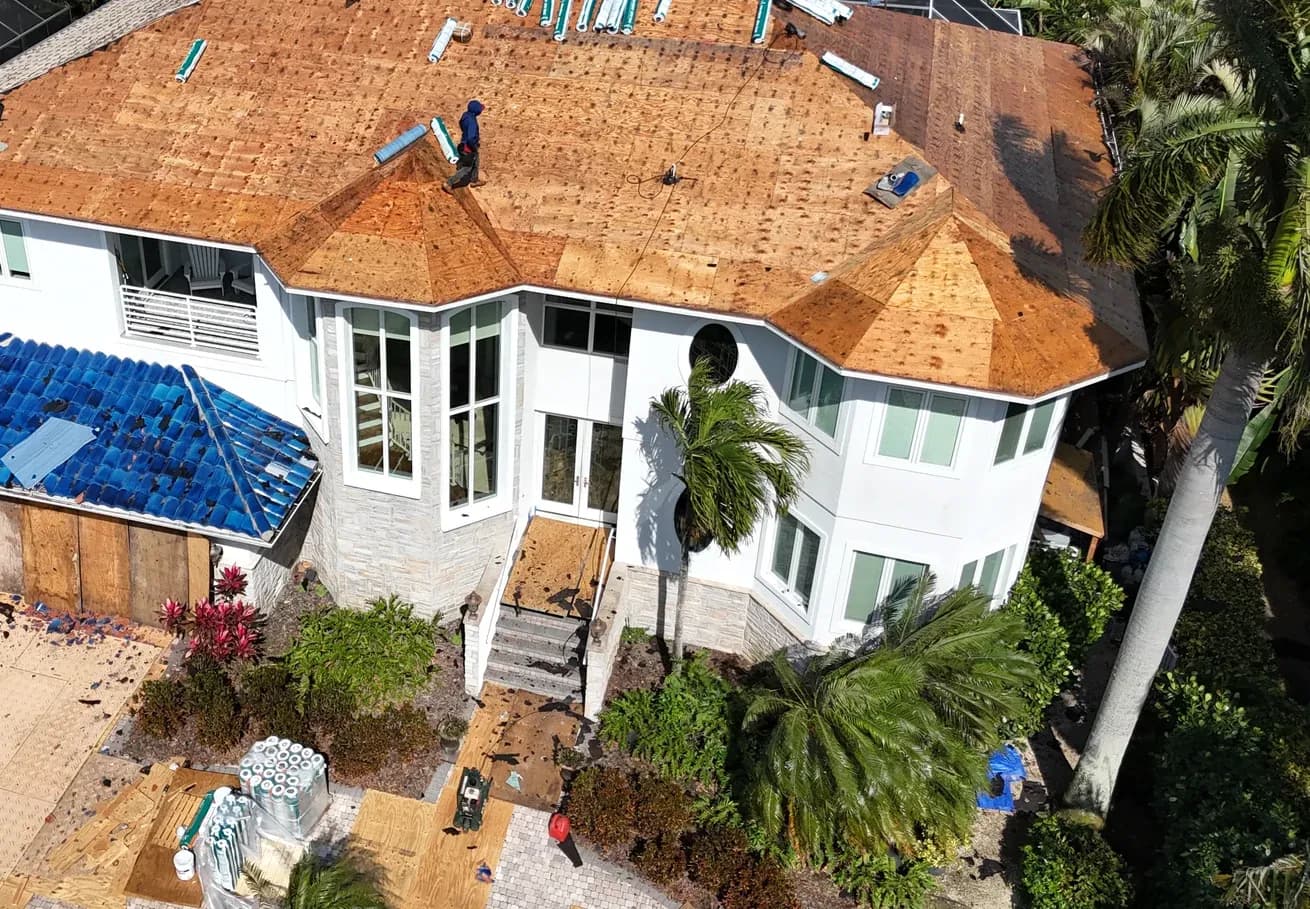
Tile to standing seam metal conversion after Hurricane Milton
The finished conversion: 1.5 inch snaplock standing seam in .040 aluminum.
Tampa · Hillsborough County · roof replacement
What Florida law requires of every Tampa reroof, how the 25 percent rule and the 2007-code carve-out decide scope, what actually moves the price, and how the job runs from documented inspection to closeout.
The short answer
A Tampa roof replacement is permitted work with statewide minimums attached: Florida law requires the reroof of a site-built single-family home to include a secondary water barrier and strengthened roof-deck attachment, every product must carry a current approval, and the permit record proves which code edition the roof was built under, which is exactly what the 25 percent rule turns on next time. The honest process starts with a documented inspection, not a quote from the driveway.
The floor the law sets
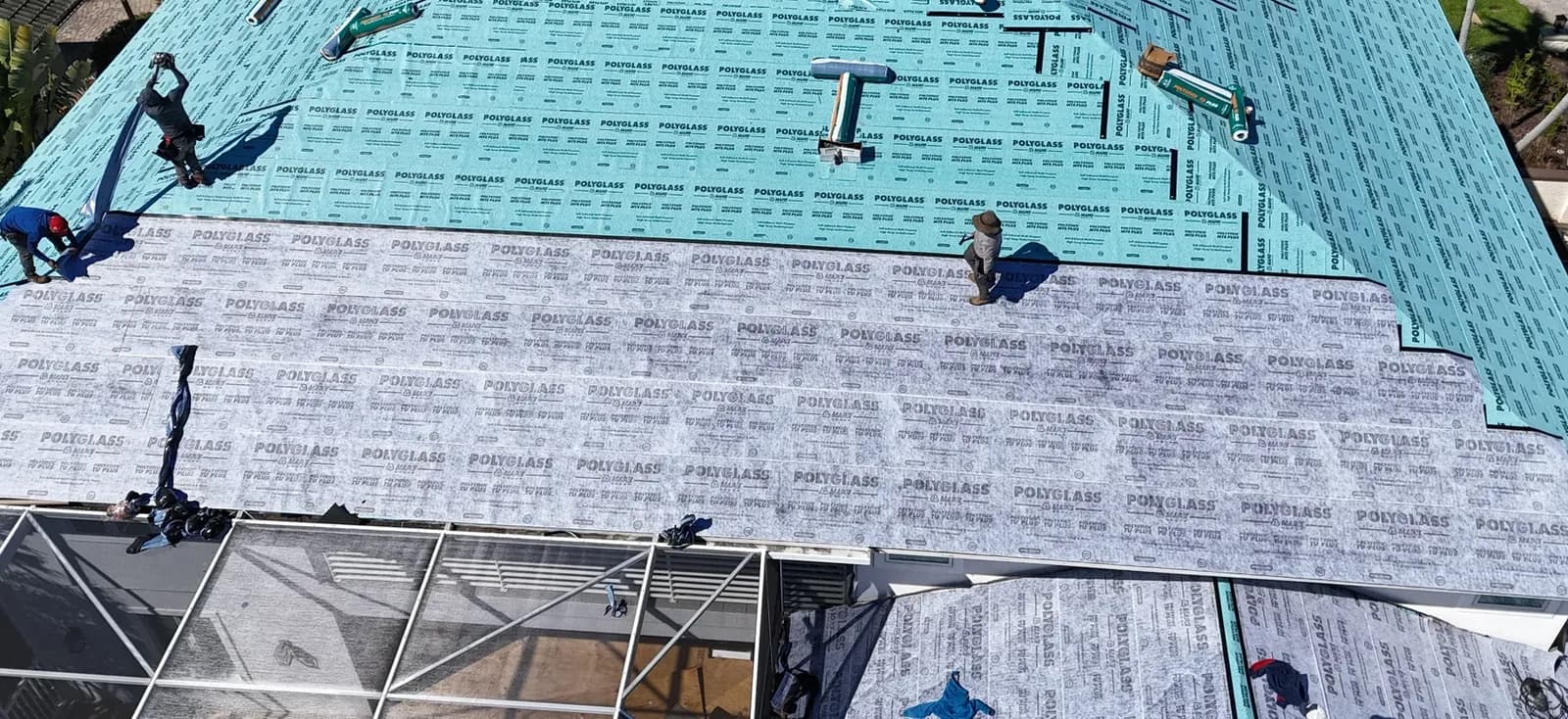
Three requirements travel with every replacement here. A permit, because Florida law makes unpermitted work unlawful and the permit is the property's lasting proof. The hurricane mitigation items, a secondary water barrier and stronger deck attachment, written into Fla. Stat. 553.844 for site-built single-family homes. And approved products: covering, underlayment, and fasteners each carrying a current Florida product approval, checkable by anyone at floridabuilding.org. Hillsborough addresses take their design wind speed from the state's ASCE 7 contour maps parcel by parcel, and the permit drawings carry that number.
In Tampa's local historic districts, Hyde Park, Seminole Heights, Tampa Heights, and Ybor City, one more step applies: a Certificate of Appropriateness before work begins, staff-approvable for like-for-like replacements, board review when the material changes. A contractor working these streets should raise it before you have to.
Scope is a code question first
When storm repair crosses 25 percent of a roof section in a year, the code can pull the whole section to current standards, unless the roof was built, repaired, or replaced under the 2007 Florida Building Code or later, in which case the 2022 carve-out limits the requirement to the portion being worked. Tampa's housing splits on exactly this line: the city's median housing unit dates to 1985, but the stock runs from bungalow-era streets to post-2000 subdivisions, so whether a given roof predates the 2007 code is a permit-history question, not a guess. The building official makes the call; the permit record is the evidence you bring.
Factors, not folklore
No honest number exists before the roof is measured and opened; these are the levers every real quote is built from.
Compare bids on equal scope, never the headline number: same deck assumptions, same underlayment, same edge metal, same permits and warranty terms.
How the job runs
The sequence runs in a Tampa-specific order: if the property sits in an ARC or Barrio Latino district, the Certificate of Appropriateness comes before the permit application, not alongside it. From there it is the sequence the rest of this site documents: a documented inspection with photographs tied to findings, a written scope built from it, the permit, the install with its required inspections, and a closeout file that holds the permit record, warranties, and completion photos. Duration is set by roof size, system, what the deck reveals, weather, and the inspection schedule, which is why we put schedules in writing per job instead of advertising one. The choosing guide and visualizer carry the system decision; the measurement tool gives you an independent read on your own roof's size before anyone quotes it.
From the job files
Metal · St. Petersburg, FL
1 / 8
St. Petersburg, FL
The finished conversion: 1.5 inch snaplock standing seam in .040 aluminum.
FAQ
Tampa
A K. Simon Construction inspection documents the roof's condition in writing before anyone talks scope: photographs tied to findings, options explained against the code that governs them. The Tampa Bay regional office is on W Kennedy Blvd; the lookup on our licenses is invited.