
Shingles · Treasure Island, FL
1 / 8
Treasure Island, FL
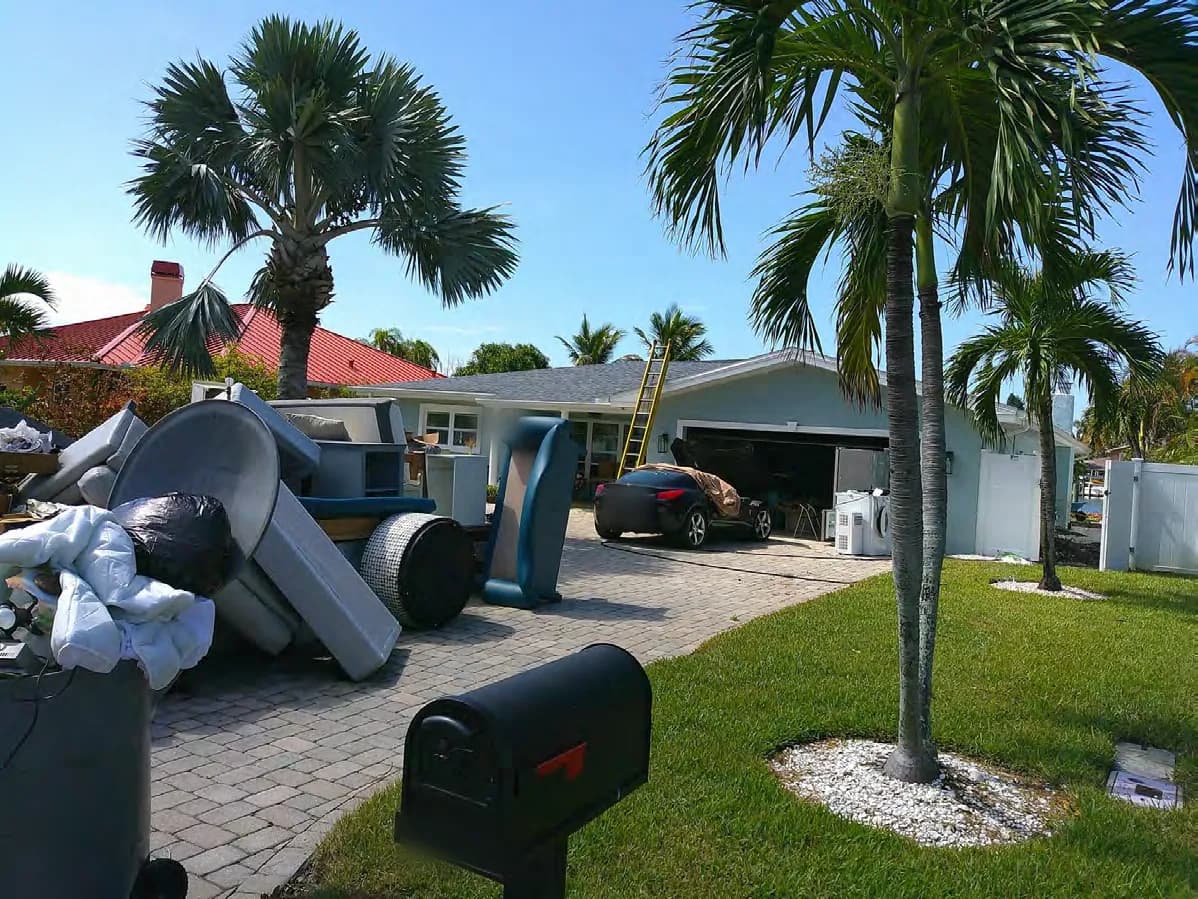
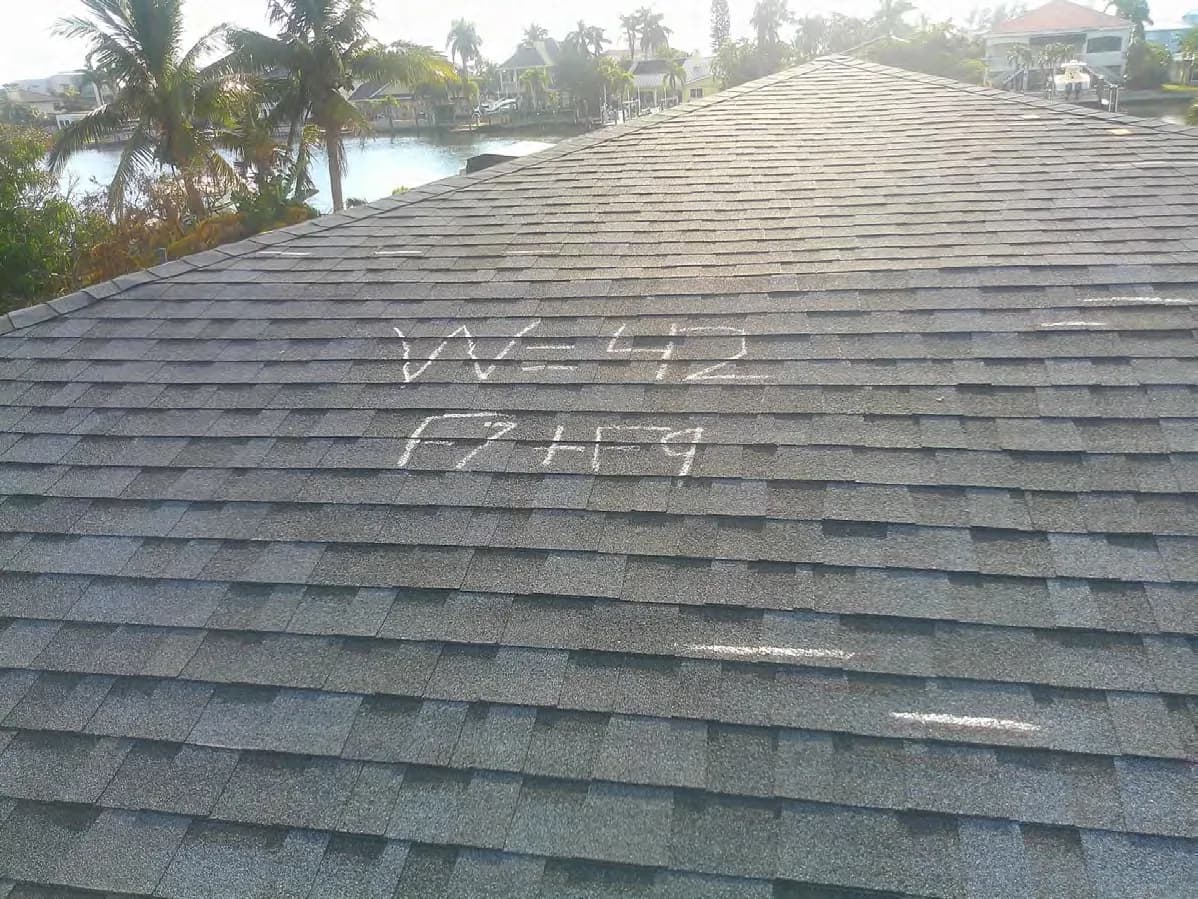
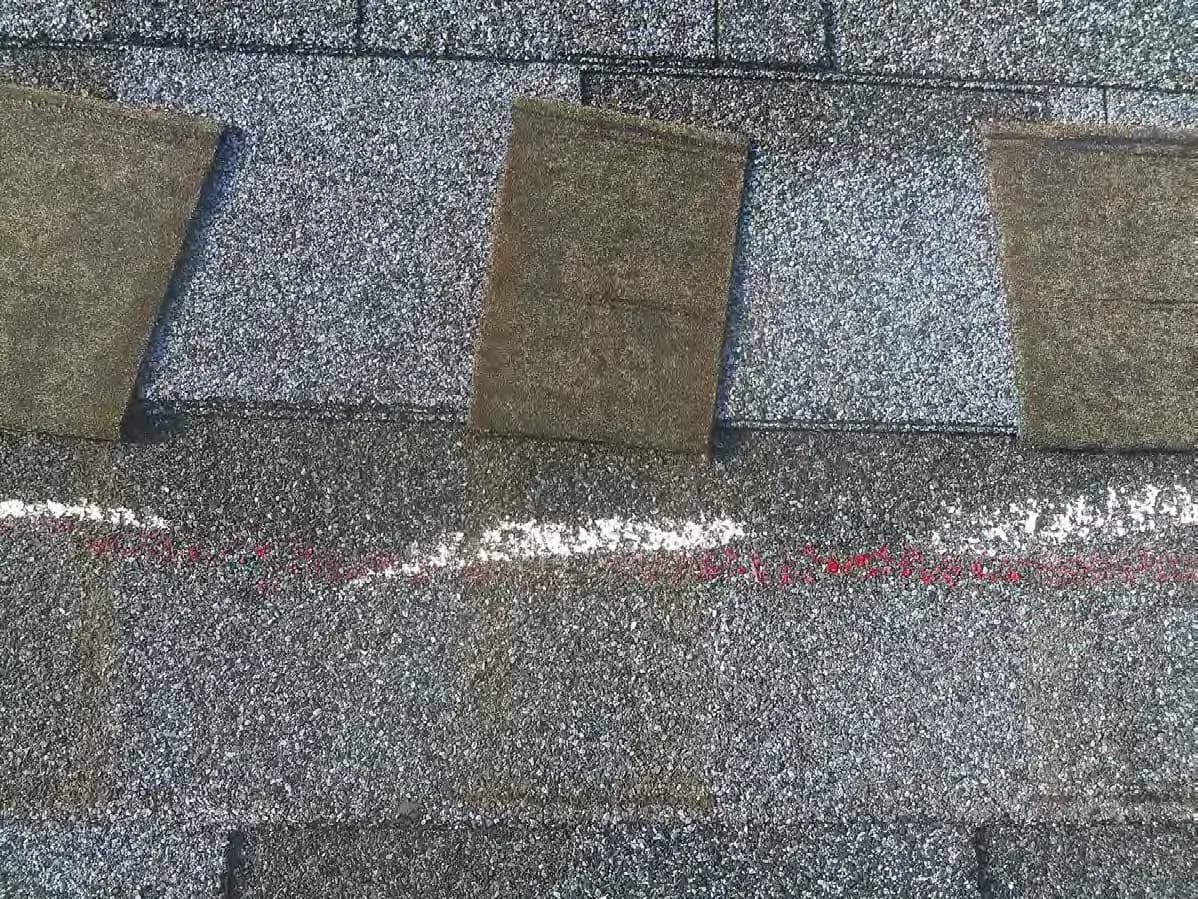
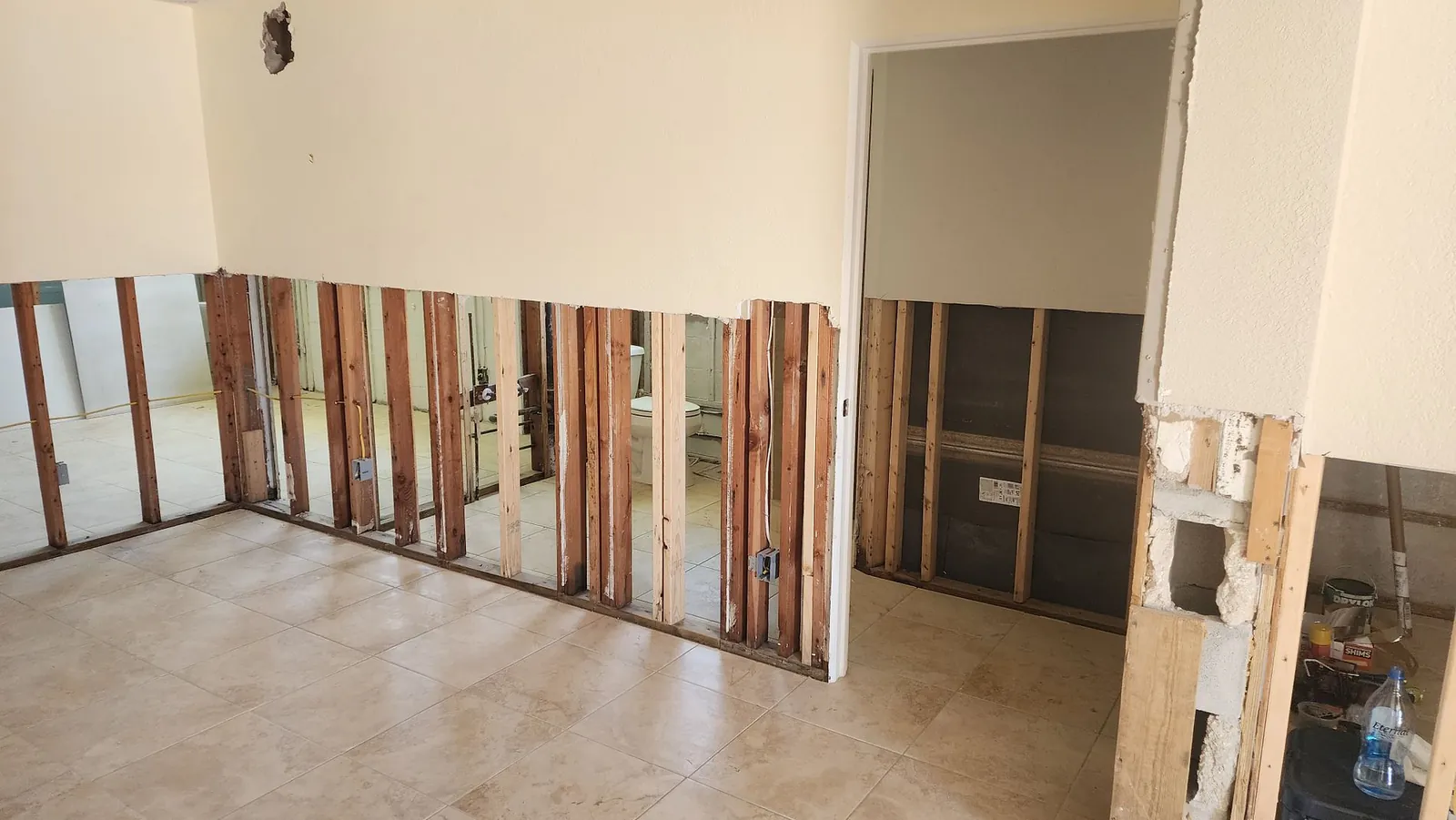
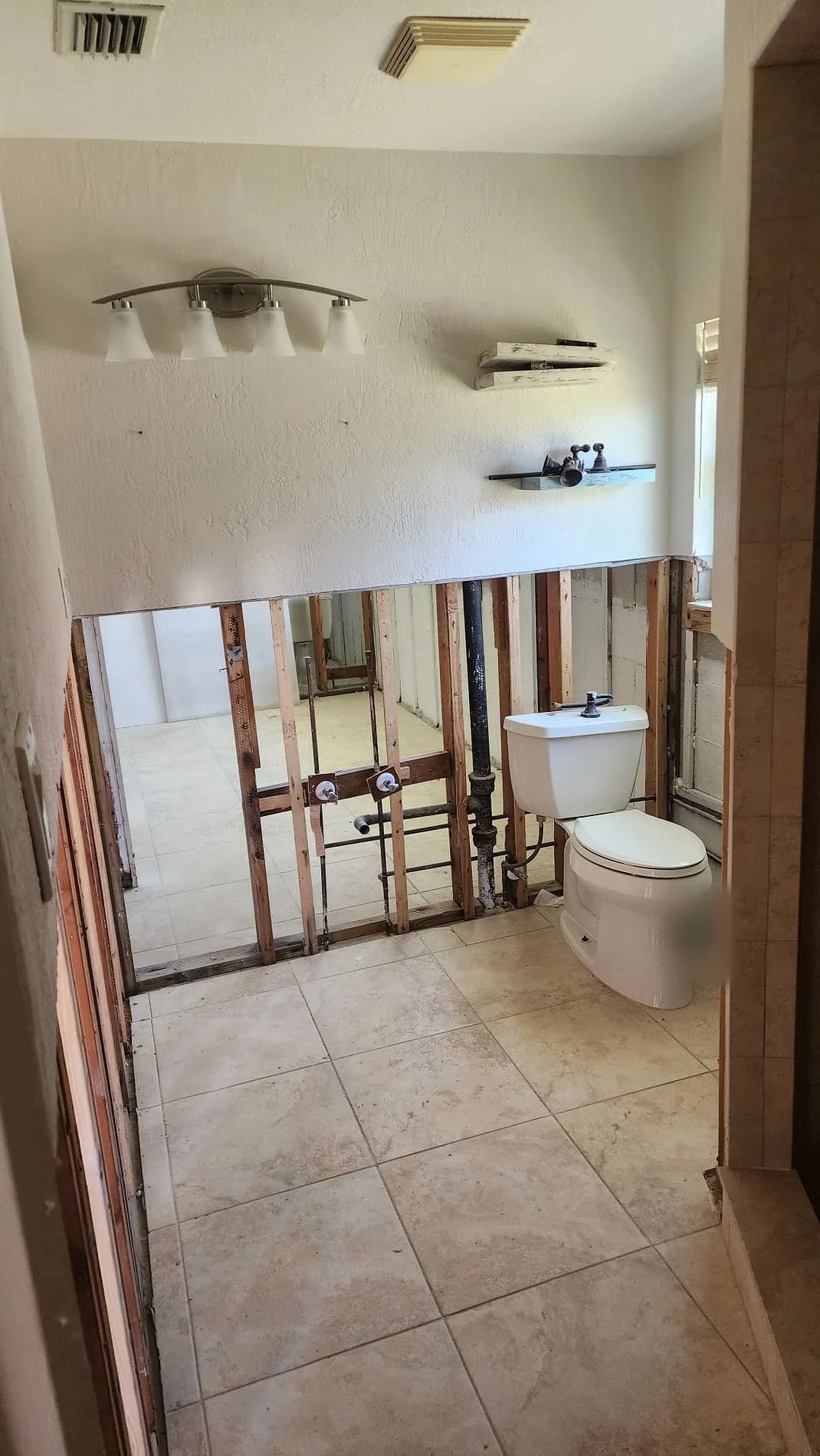
Shingle roof and flooded interior rebuilt after a hurricane
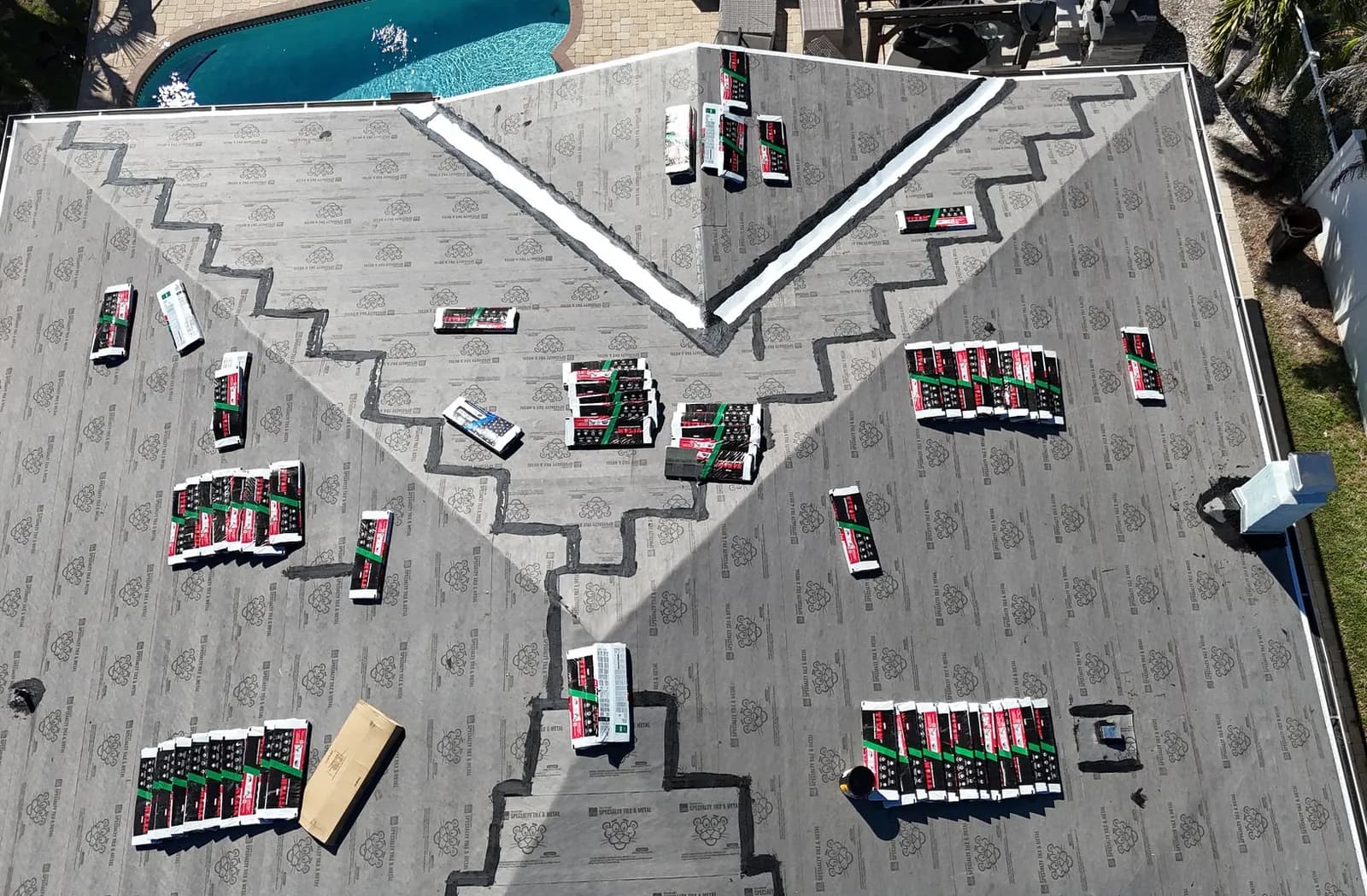
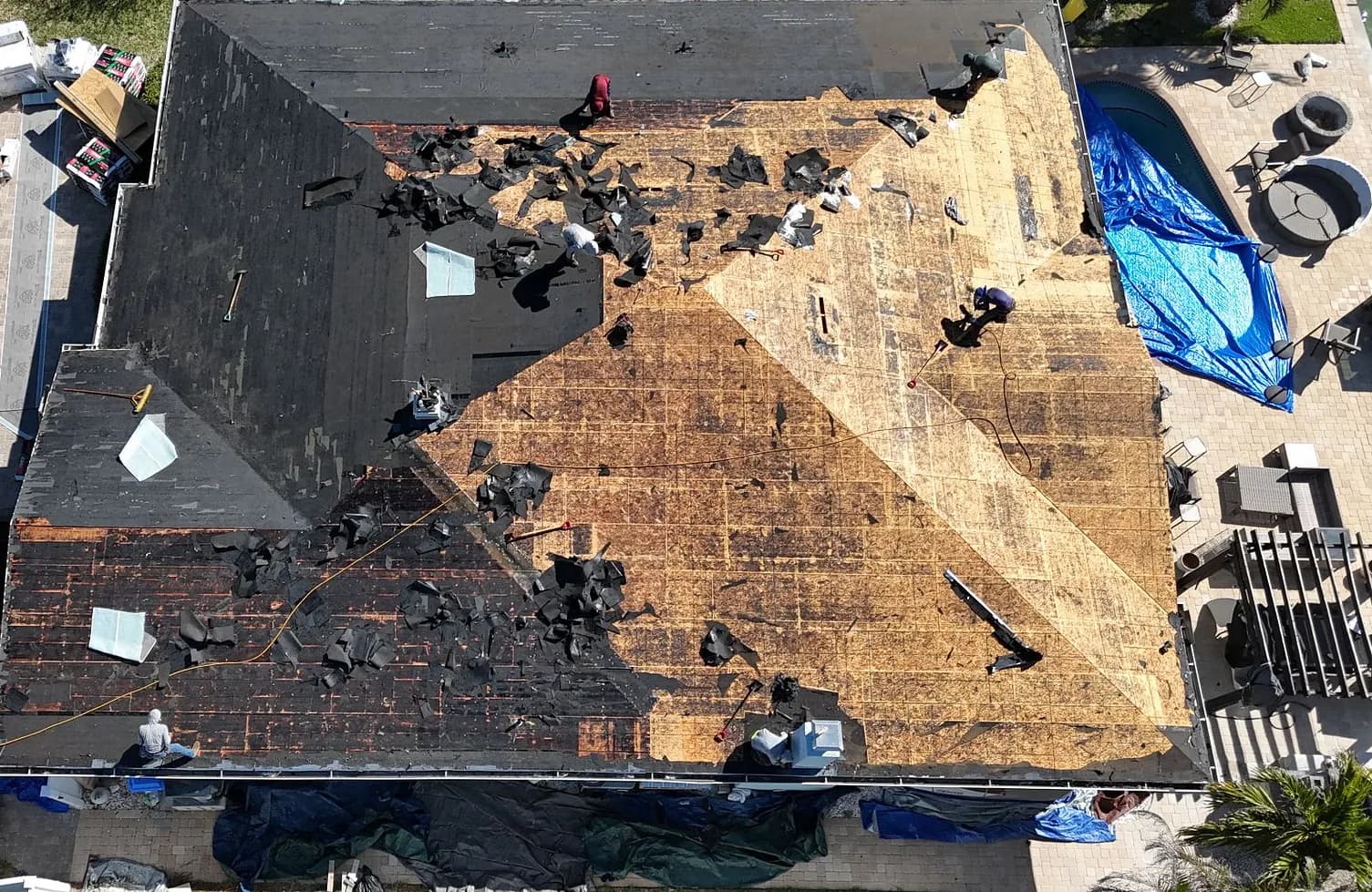
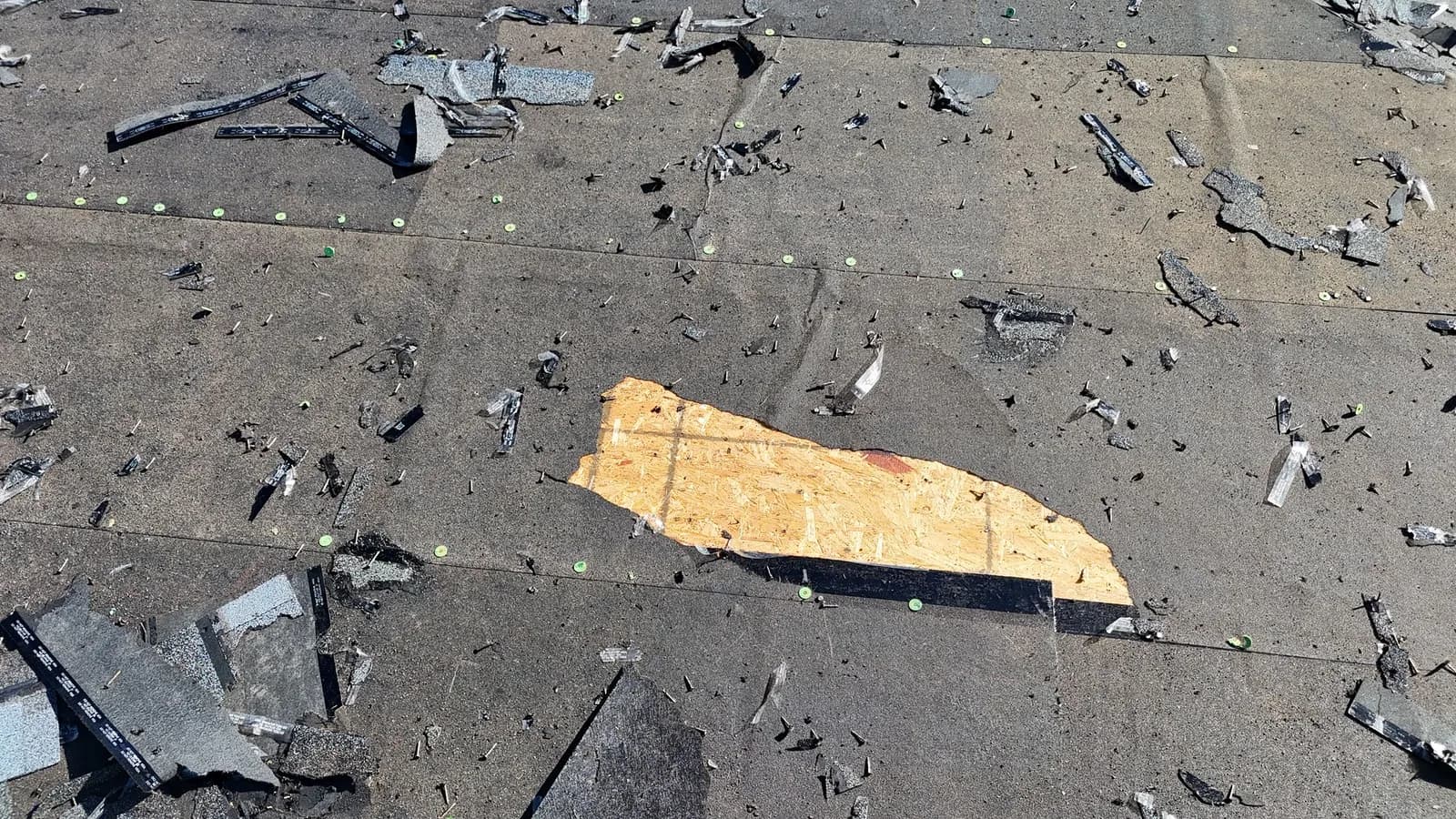
Dry-in, documented from the air: ice and water shield across the entire deck and bundles staged before the first shingle went on.
Clearwater · Clearwater Beach · Sand Key · the Pinellas barrier islands
The Gulf side of Pinellas is a chain of barrier islands separated by passes, and roofing there answers to salt air, one countywide wind number, and a storm record that 2024 rewrote twice. What the coast does to a roof.
The short answer
Coastal roofing in Clearwater and on the Pinellas beaches is a specification problem before it is a product problem: salt air decides the metal, the fasteners, and the flashings, Pinellas decides the wind number at 145 mph countywide, and the county's in-progress inspections verify the deck and underlayment before the covering hides them. The 2024 storms showed the two failure modes plainly: Helene's record water and Milton's hurricane-force gusts, on the same islands, thirteen days apart.
The geography
Pinellas County's own materials describe the Gulf front as developed barrier islands: Clearwater Beach, a district of the City of Clearwater reached by causeway; Sand Key, running from Clearwater Pass south to John's Pass at Madeira Beach; Treasure Island between John's Pass and Blind Pass; and Long Key, which St. Pete Beach occupies. The state's environmental agency designates stretches of Long Key and Treasure Island as critically eroded, which is the coast telling you what the air and water do to everything facing them, roofs included. Every roof on those islands faces salt on the wind and the same design wind speed as the mainland, with a thinner margin for corrosion.
Sources: Pinellas County, Sand Key barrier island (pinellas.gov) and the Florida Department of Environmental Protection's critically eroded beaches report (floridadep.gov).
Two storms, two failure modes
Helene, September 2024. The center stayed more than a hundred miles offshore and the beaches still took record water: sensors measured storm tide above 6 feet at Clearwater Beach and above 7 feet at Madeira Beach, the Clearwater tide gauge set its record for a history reaching back to 1973, and twelve people drowned in Pinellas County, most on the barrier islands. Sustained winds in the county stayed below hurricane force. For roofs, Helene was the water event: the losses were to lower floors, contents, and ground-level systems, not to coverings.
Milton, October 2024. Landfall at Siesta Key put the beaches on the offshore-wind side, so surge stayed near one foot, and the wind came instead: the elevated marine station at Clearwater Beach recorded sustained winds at hurricane force with a gust near 90 mph, while land stations across Pinellas recorded hurricane-force gusts with sustained winds below that line. Coverings, flashings, and edges took the load that Helene never applied. The Tampa Bay storm record carries the full season with the hurricane center's sources, including the hurricane center's own sentence that a track less than thirty miles north would have sent a significant storm surge into the bay.
Sources: National Hurricane Center tropical cyclone reports for Helene and Milton. Marine-station winds are measured over water at elevated anemometers and run higher than winds over land; gusts are labeled as gusts.
Salt air is a specification issue
The roof systems library publishes the rules this page applies street by street: near salt air, metal roofing is specified as aluminum or a high-grade coated steel with compatible fasteners and flashings, because cheaper metal corrodes where those hold up; clay and concrete tile are inert to salt, a genuine coastal advantage, provided the underlayment beneath them is treated as the working part of the system; and Florida heat and UV age shingles faster than mild climates do, coast or inland. Fasteners and edge metal are where coastal roofs quietly fail first, which is why a coastal quote that names the fastener and flashing materials is telling you something a quote that names only the shingle brand is not.
The county supplies the wind side: Pinellas adopts a single countywide ultimate design wind speed of 145 mph for ordinary buildings, so product approvals and fastening schedules on the beaches are specified against the same number as the rest of the county, and the county's in-progress reroof inspections verify deck nailing and underlayment before the covering goes on. The materials questions page explains approvals and wind classes with sources.
Sources: Pinellas County Construction Licensing Board wind-speed adoption (pcclb.com) and Pinellas County roofing inspection policies (pinellas.gov).
Factors, not folklore
The coast adds specification and access to every lever a roof quote already carries.
From the job files
Treasure Island, after a hurricane put water where water should never be.
Shingles · Treasure Island, FL
1 / 8
Treasure Island, FL
Dry-in, documented from the air: ice and water shield across the entire deck and bundles staged before the first shingle went on.
FAQ
Clearwater and the beaches
A K. Simon Construction inspection documents what the salt, the wind, and the 2024 water actually left behind, in writing with photographs tied to findings, so the specification starts from the building rather than the brochure. Licenses published, lookup invited.