
Shingles · St. Petersburg, FL
1 / 8
St. Petersburg, FL
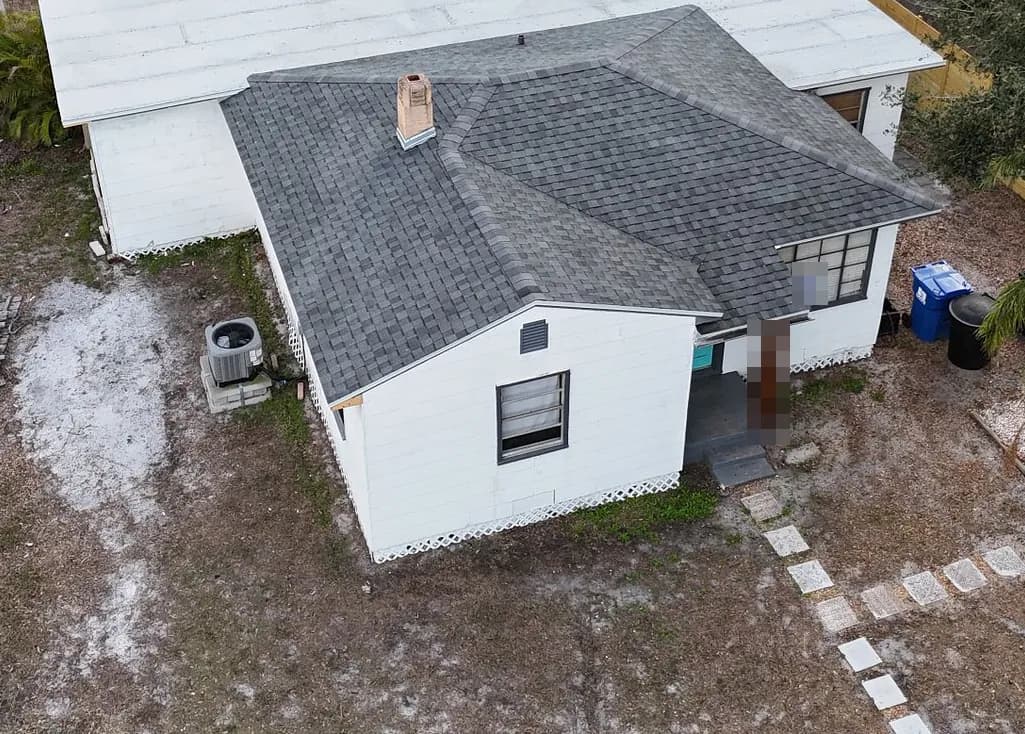
Shingle roof replacement after hurricane winds
Completion aerial, February 13, 2025. The house number on the porch post is blurred.
The factors, not the figures
This page will not tell you what a roof costs, because nobody who has not measured your roof can. It tells you what moves the number: scope, material, pitch, complexity, what is under the old roof, and how the honest unknowns get priced before they are opened.
Reviewed August 26, 2026. The averages published on lead generation sites are someone else's roof; a real number comes from a measured, written scope.
Because they differ on scope before they differ on price: tear-off versus overlay, the underlayment specification, whether flashings are replaced or reused, whether a decking allowance exists and at what unit price, whether permits, inspections, and disposal are included, what the workmanship warranty says, and who performs the labor. Until the scopes are level, comparing totals is comparing two different jobs.
The fix is mechanical: ask every bidder the same questions and require the answers in writing, which is what the roof inspection question set is for. Levelled, the honest quotes converge and the outlier explains itself: the cheap one is usually missing scope you will pay for later, and the expensive one is either padded or quoting a roof the others did not actually inspect.
A square is the trade's area unit: 100 square feet of roof surface, the unit materials are ordered in. It is not a price you can multiply: per-square cost moves with the material, tear-off layers, pitch, complexity, and the condition of what is underneath, so an advertised per-square figure describes someone else's roof. A real quote is measured from yours.
When a quote is priced per square, the useful questions are which squares were measured and what the number includes: is it material only, or tear-off, underlayment, flashings, and disposal too? The measurement itself is checkable, since aerial reports list the area and facets they measured. The glossary entry covers the unit and its neighbors, and this site's tools include a roof measurement you can run on your own address.
Almost every input is heavier, slower, or more specialized. Tile weighs far more than shingle, so staging, loading, and sometimes the structure itself must carry it. Installation is piece by piece over a two-layer sealed underlayment rather than in sheets, the job runs longer with its own inspection hold points, and tile work takes a crew trained in it. That is what the system physically is, not padding.
The honest framing is cost against service: tile's case has always been longevity and what it does in Florida sun and salt air, which is covered with the system's real trade-offs on the tile system page. Why the same factors stretch the calendar, not just the price, is on the process page.
Yes, and it can matter as much as size. Steep pitches require fall protection, staging, and slower movement, which cuts a crew's daily production. Complexity works the same way: every hip, valley, dormer, and penetration adds cutting, waste, and flashing work, and flashing details are where the skilled hours go. Two roofs with identical square footage can carry different labor, which is one more reason an area-only price means little.
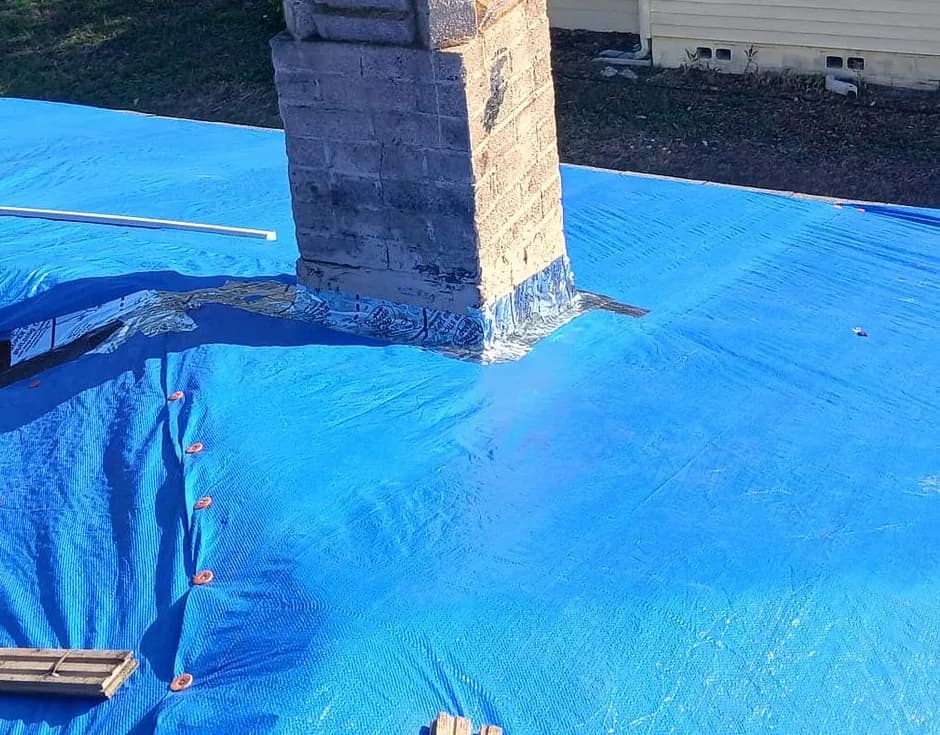
You can read your own roof for this from the ground: count the facets, the valleys, and the things poking through it. A simple gable with two planes and a vent stack is one job; the same footage cut into eight facets around two dormers, a chimney, and a skylight is another. Where those details fail, and why they deserve the labor, the detail atlas shows photo by photo.
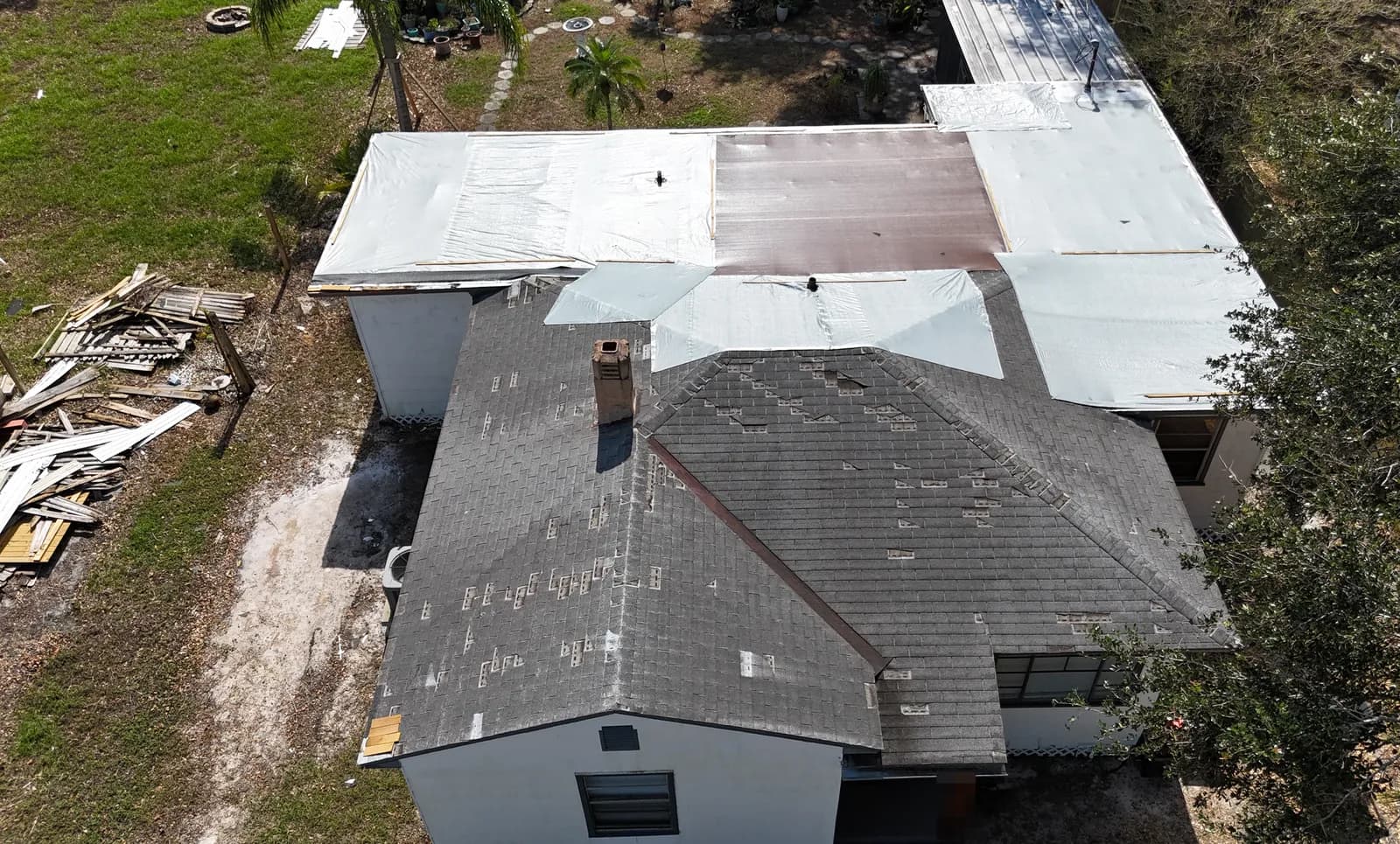
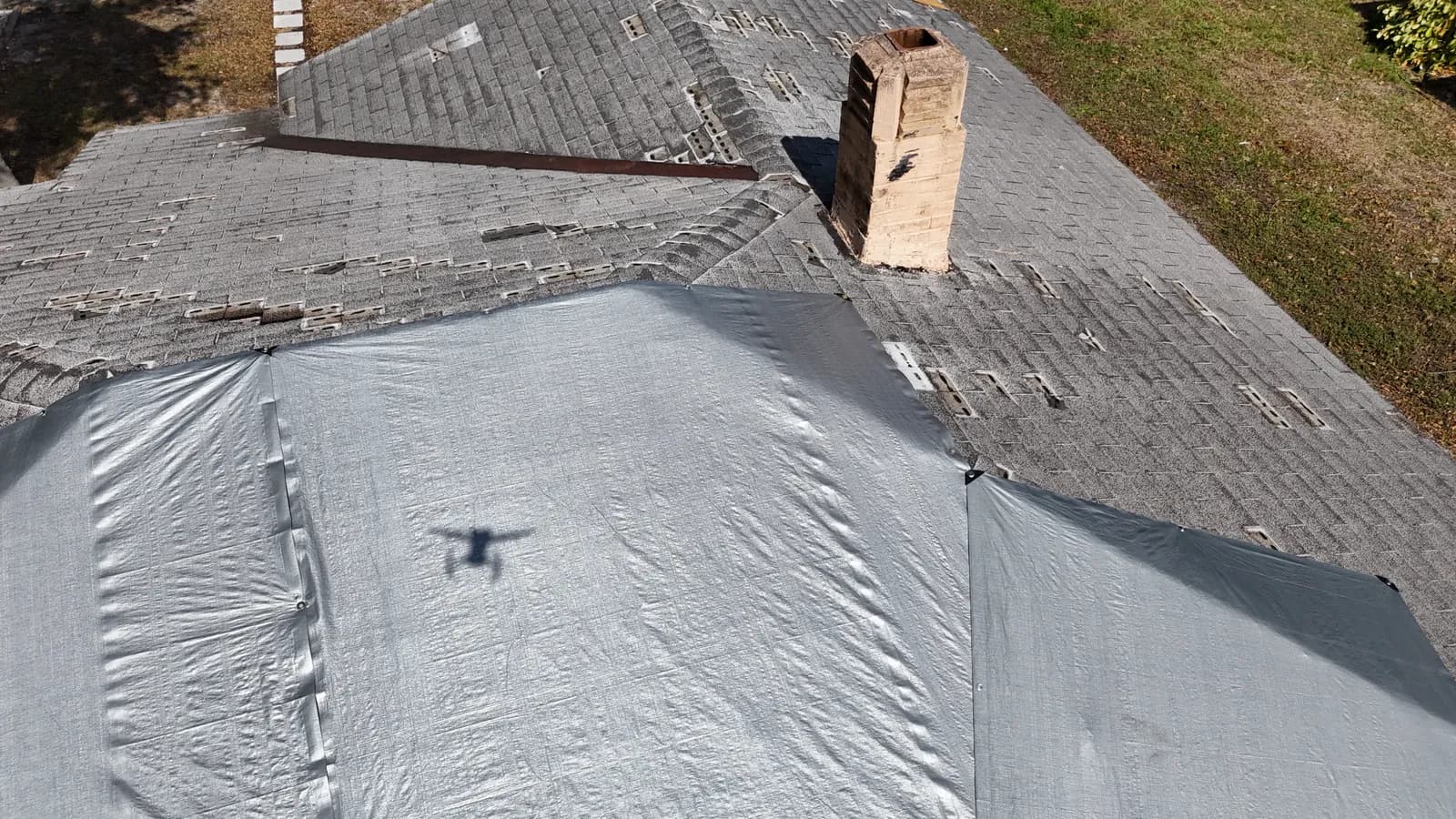
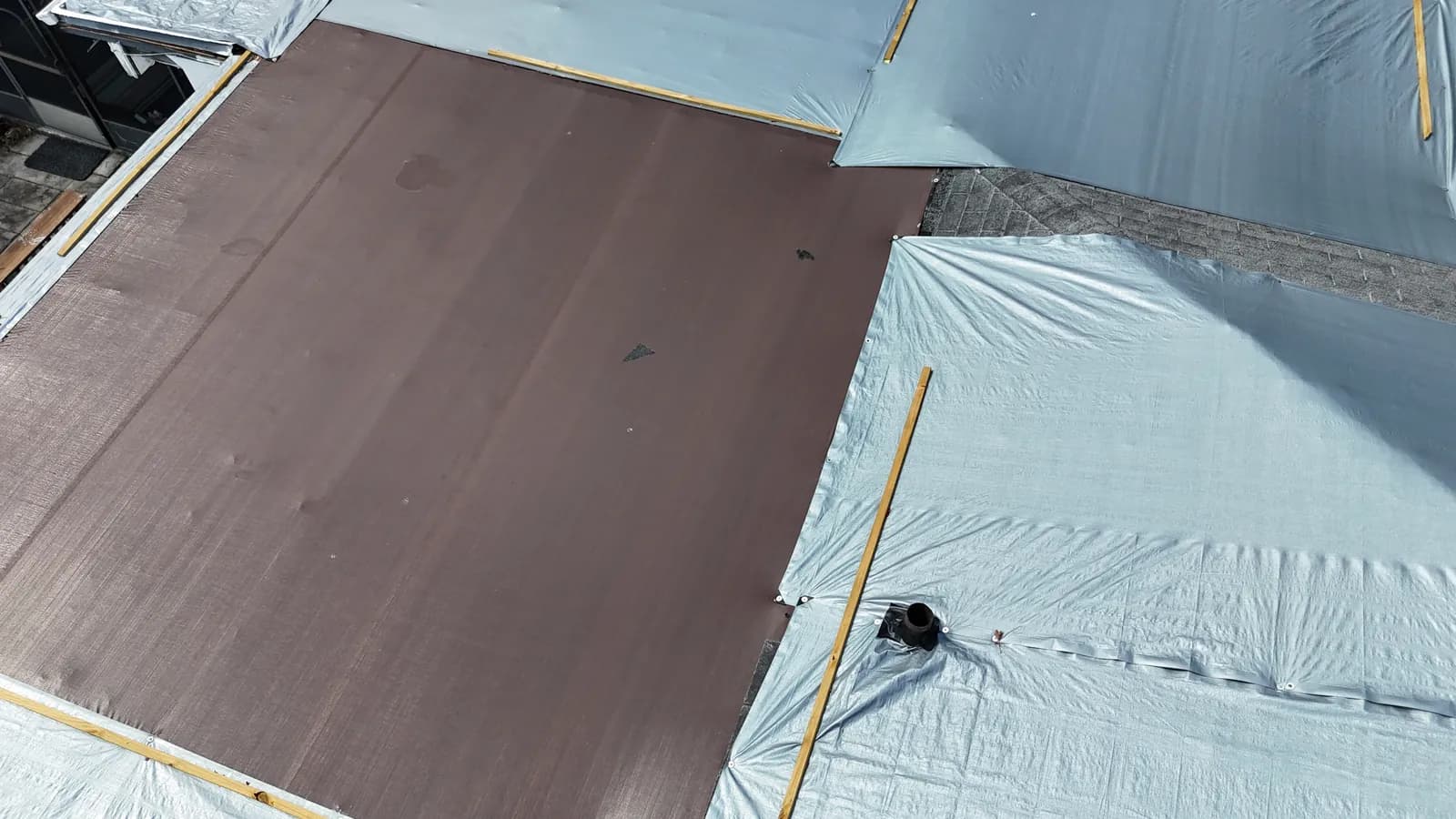
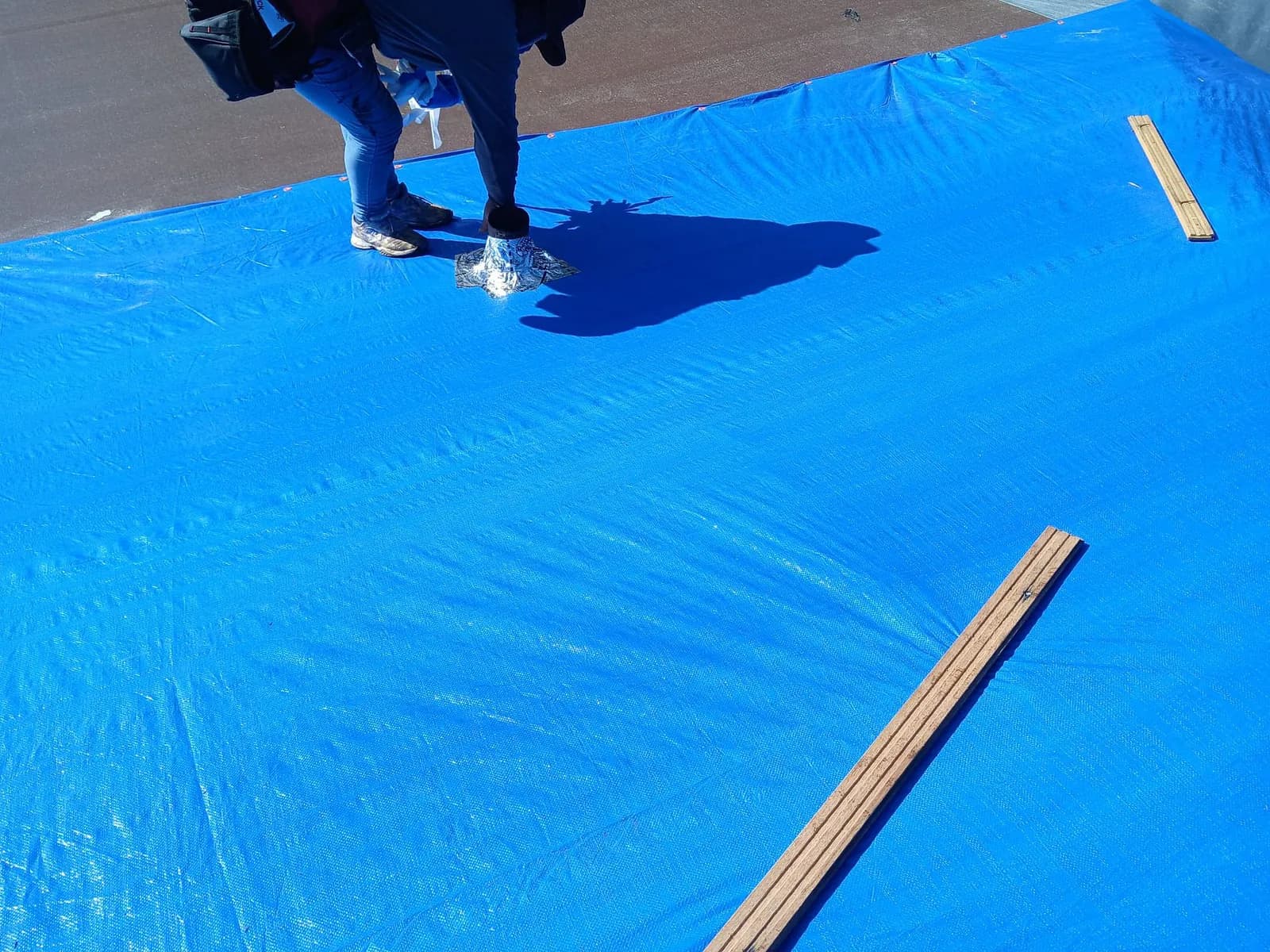
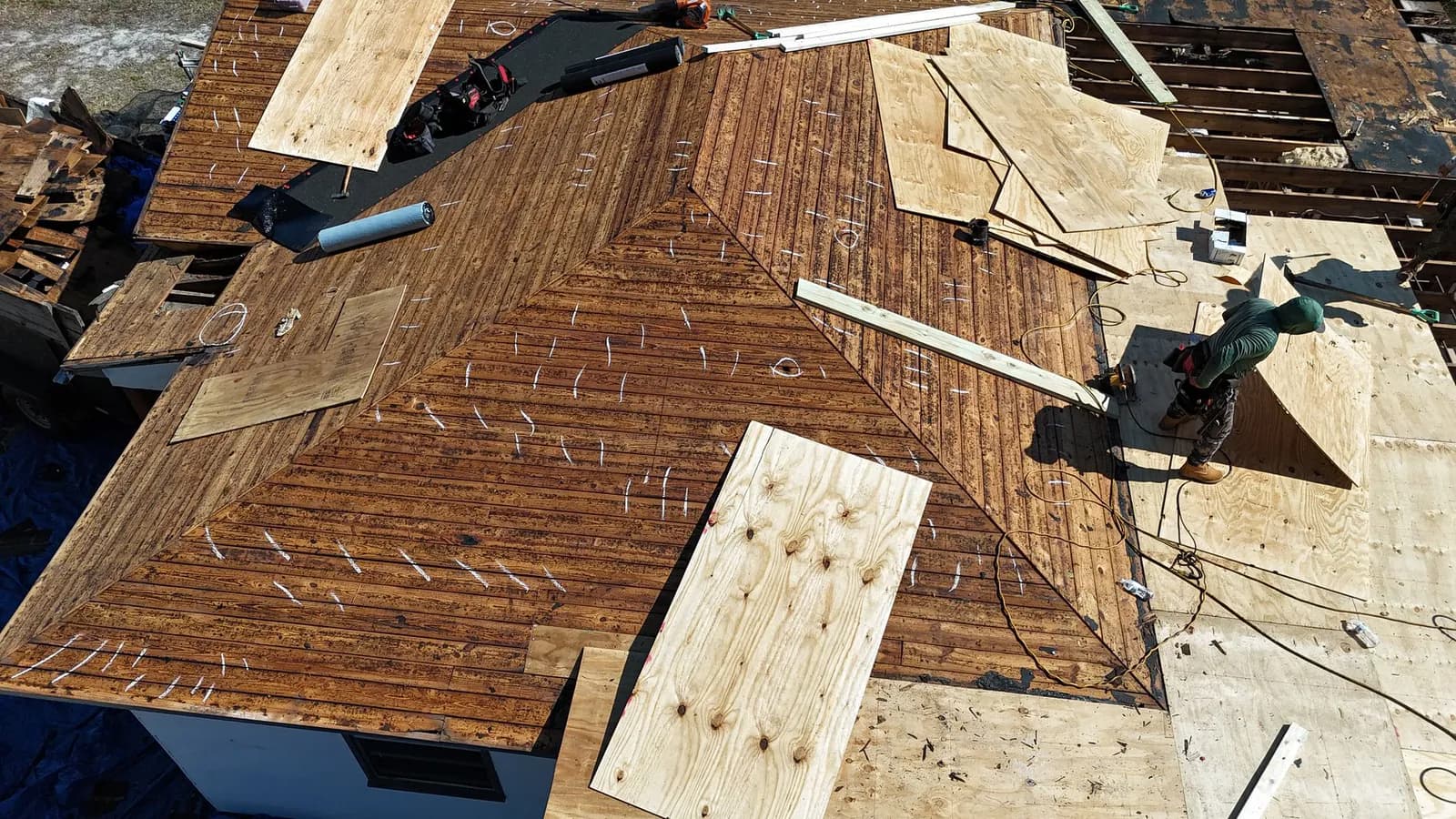
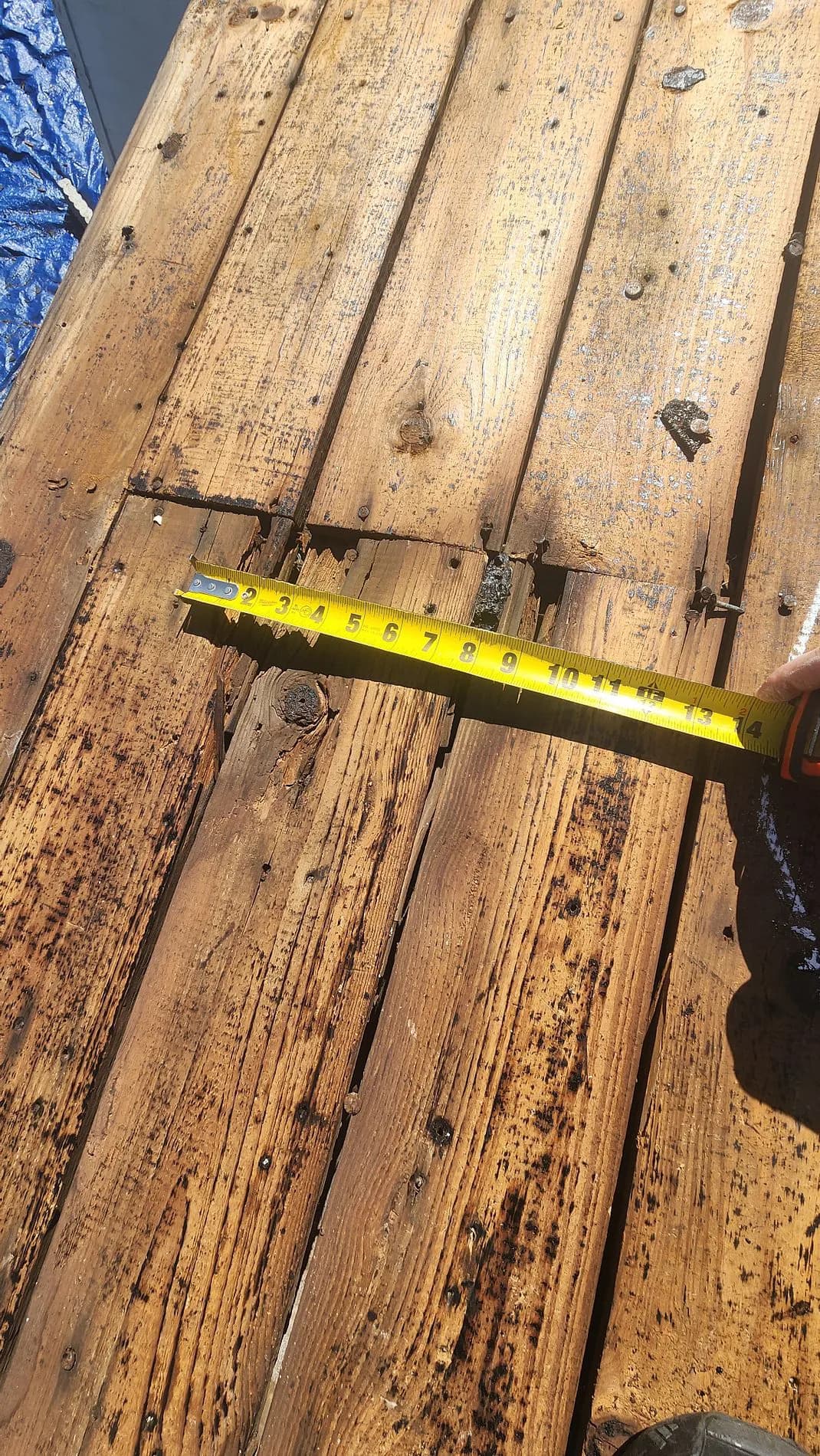
Decking is the one honest unknown in every reroof: its condition is only visible after tear-off, and rot that is found gets replaced, not covered, before the new roof goes on. The protection is not hoping; it is pricing the unknown first. A well-written contract states a unit price for decking replacement up front, and a well-run crew photographs what it finds and gets approval before rebuilding.
That exact pattern is visible in one of this site's published records: on a St. Petersburg replacement, the material order instructed the crew to stop after tear-off, the rotted plank decking went into a 36-page dated photo record, and the rebuild was approved before the first new shingle went on. The contract question to ask before signing is on the hiring page: decking priced per unit, in writing, before tear-off day.
Yes, and it runs through lenders, not roofers: contractor-arranged third-party programs, home improvement loans, and home equity products all exist, with terms, approval, and rates that are the lender's decision. The comparison that matters is total cost over the life of the loan, not the monthly payment a salesperson leads with, and a financing offer should never be the reason a scope gets bigger.
Two cautions worth writing down. First, compare any contractor-arranged financing against your own bank or credit union before signing; the convenient option and the cheapest option are sometimes the same and sometimes not. Second, be careful with products secured by the home itself, and read how the obligation behaves if you sell. What a lender will approve, and on what terms, only the lender can say, so treat any contractor's promise about approval as marketing until the lender confirms it.
From the job files
A St. Petersburg replacement where tear-off exposed rotted plank decking: documented across a dated photo record, approved, rebuilt, and only then roofed, exactly how this page says the surprise should work.
Shingles · St. Petersburg, FL
1 / 8
St. Petersburg, FL
Completion aerial, February 13, 2025. The house number on the porch post is blurred.
Keep going
The question set levels any set of bids; the process page carries what the job itself is like.
The number your roof actually carries
A K. Simon Construction inspection measures the roof, documents its condition with photographs tied to findings, and puts the scope in writing, which is the only version of a price worth comparing.