
Membrane · Florida
1 / 8
Florida
Tampa · commercial and low-slope · portfolios welcome
Low-slope systems chosen by factors, re-cover versus tear-off decided by the code's own conditions, and the storm-response framework this site publishes for the people who run buildings, before and after the weather. Commercial work runs nationwide, dispatched to this market alongside the Tampa Bay regional office on W Kennedy Blvd.
The short answer
Tampa commercial roofing is mostly low-slope work, and the honest version has two halves: choosing among TPO, EPDM, modified bitumen, and restoration coatings by the building's use and exit plan rather than by habit, and deciding re-cover versus tear-off by the code's own conditions, moisture in the existing assembly chief among them. Both halves start from a documented assessment of what is actually up there.
Four families, chosen by factors
The low-slope guide carries the full comparison: TPO's reflective single-ply economics, EPDM's long track record, modified bitumen's redundancy on smaller roofs, and restoration coatings as the path that extends a fundamentally sound roof instead of replacing it. Which one earns its place on a Tampa building depends on the existing assembly, the equipment and traffic the roof carries, the tenant situation below, and the ownership's exit plan for the asset, the same factors that separate a re-cover from a tear-off. Under Florida sun, membrane and coating choices are also heat decisions; the systems library publishes the service-life ranges.
Where the 25 percent math lives
On commercial buildings, the 25 percent rule is measured against the roof section, and the code defines sections by real physical divisions: expansion joints, parapet walls, elevation changes. A repair that is a small fraction of the whole roof can still be a large fraction of one section, which is why commercial scope conversations start with a section map, not a single area number. The 2022 carve-out applies by the same three verbs, built, repaired, or replaced to the 2007 code or later, section by section, with the building official holding the determination and the permit history as evidence. A documented assessment that maps sections, assemblies, and moisture is the drawing the whole decision gets made on.
For the people who run buildings
Tampa property managers get the same framework this site publishes for everyone: the storm response playbook with its first-2-hours-to-day-30 sequence, the printable eight-document toolkit with the roof inventory and tenant notices, the five vendor checks that take fifteen minutes, and the storm history tool for every address in the portfolio. The Tampa Bay storm record explains why the preparation is not theoretical here: four straight seasons delivered four different damage geometries.
From the job files
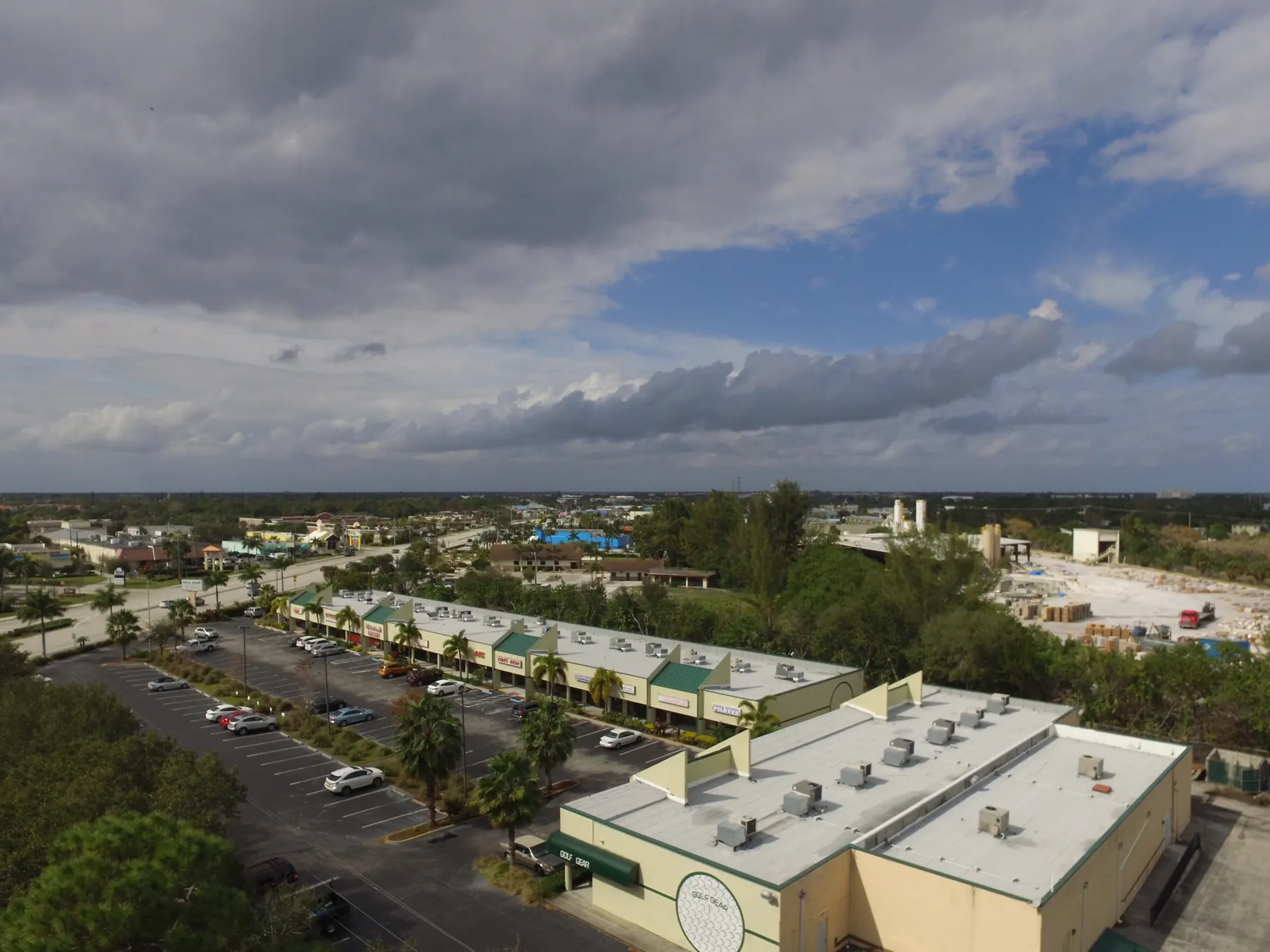
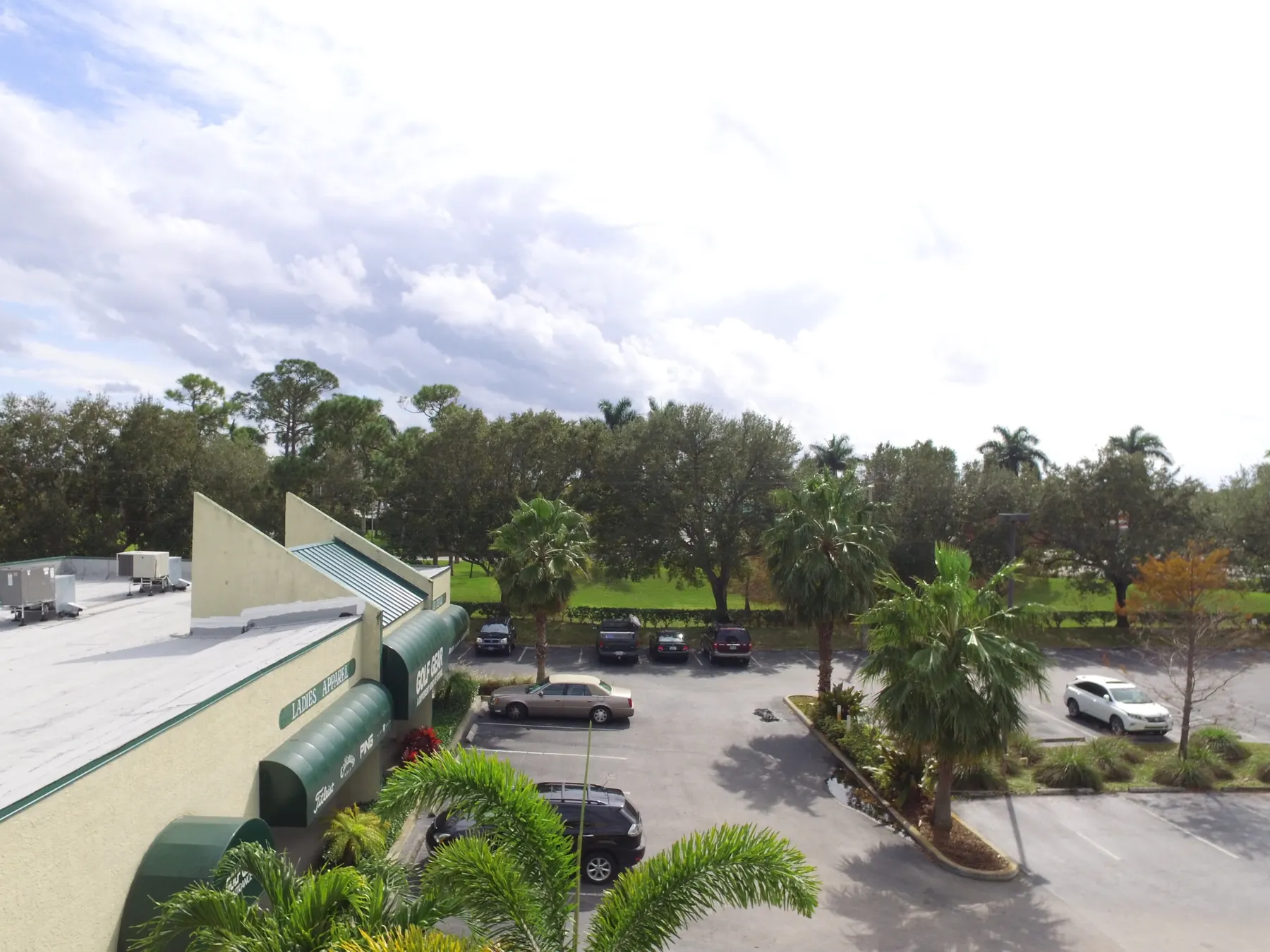
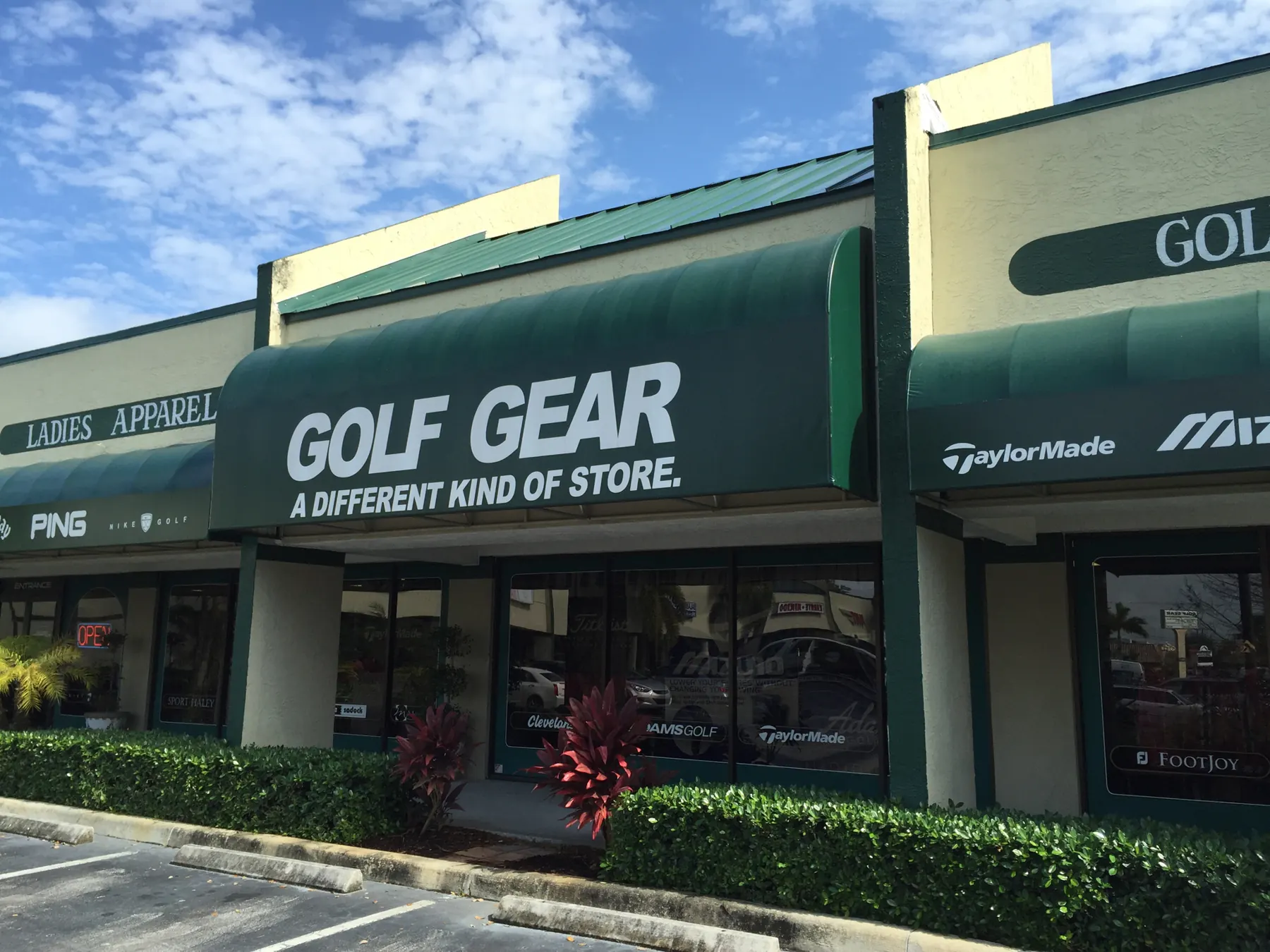
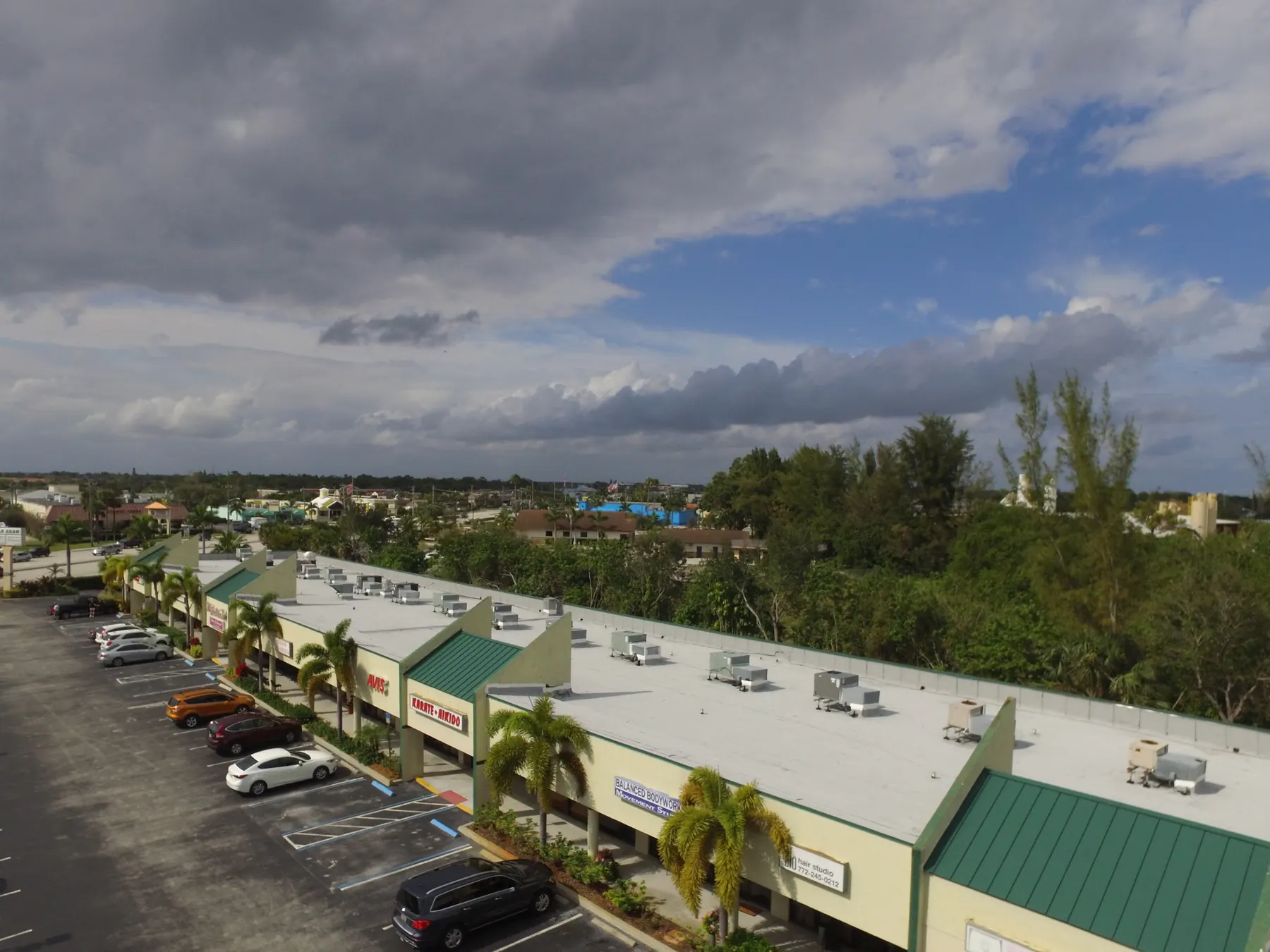
Membrane · Florida
1 / 8
Florida
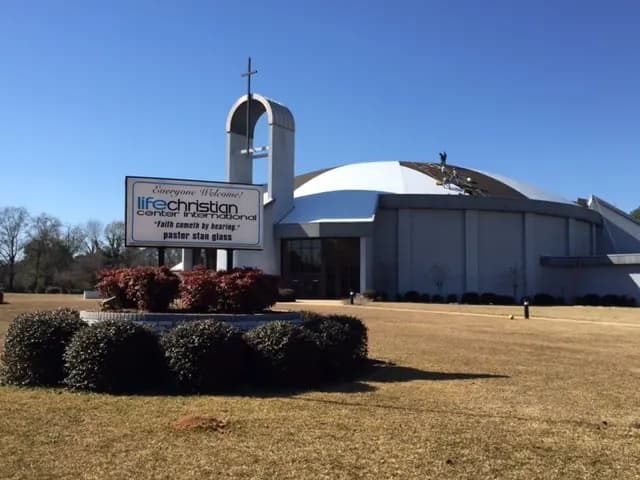
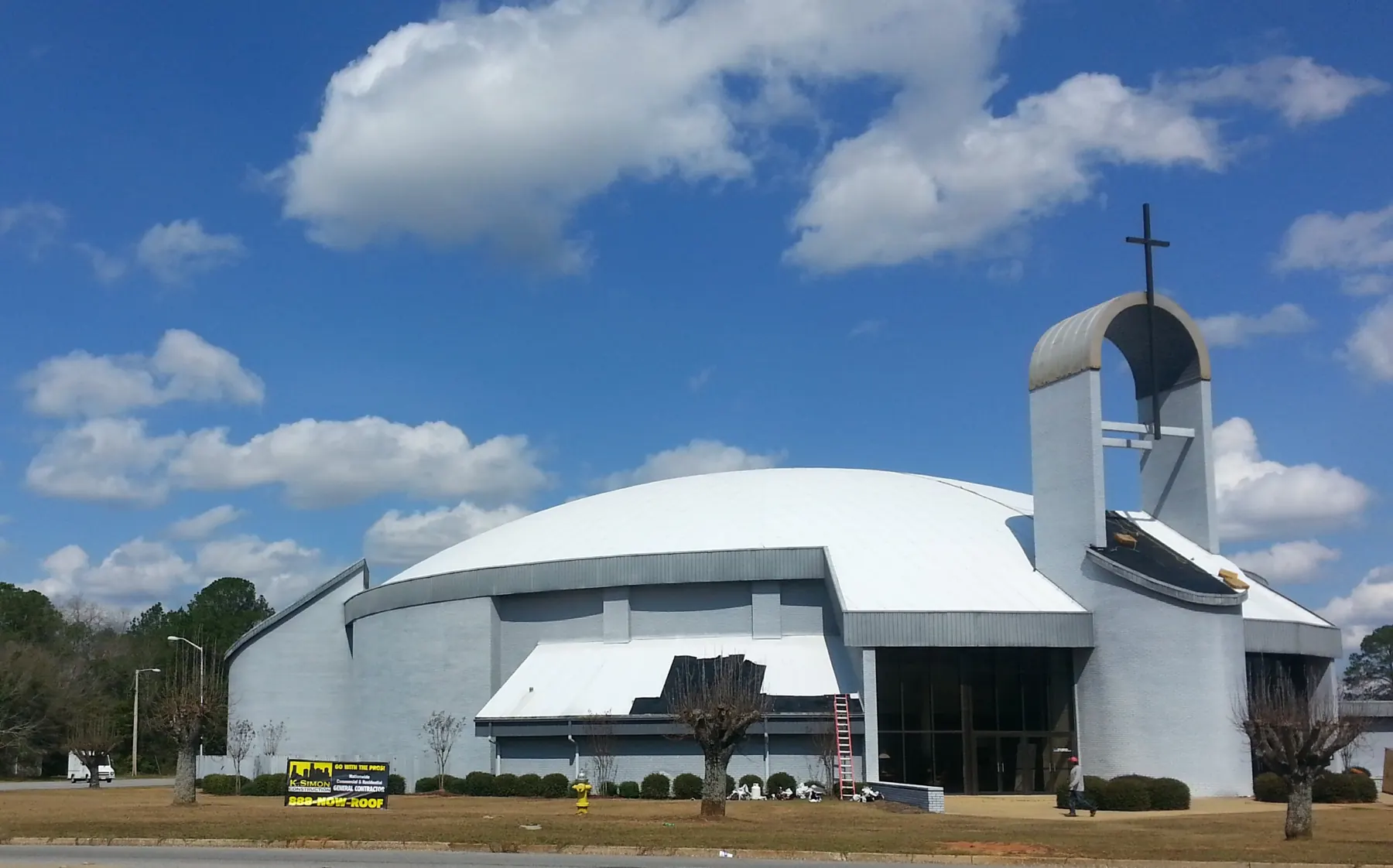
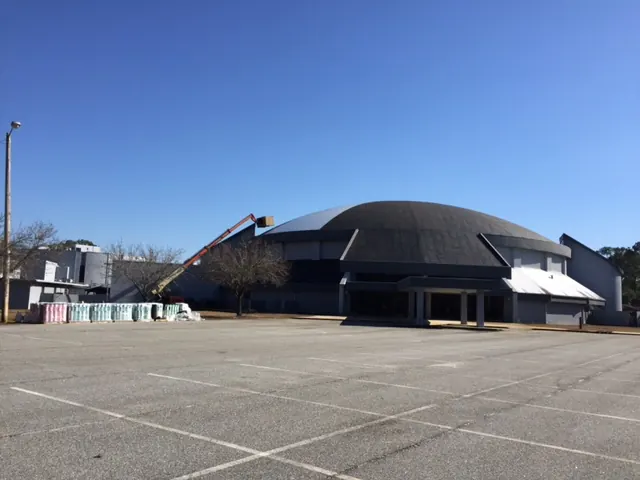
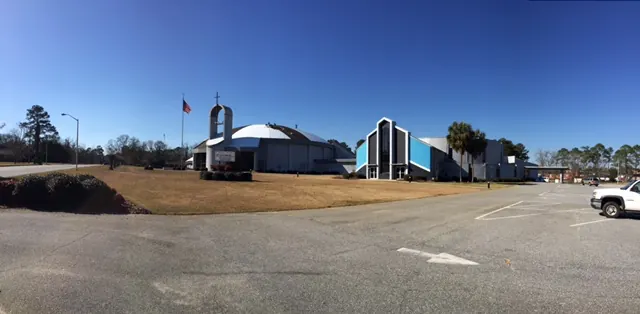
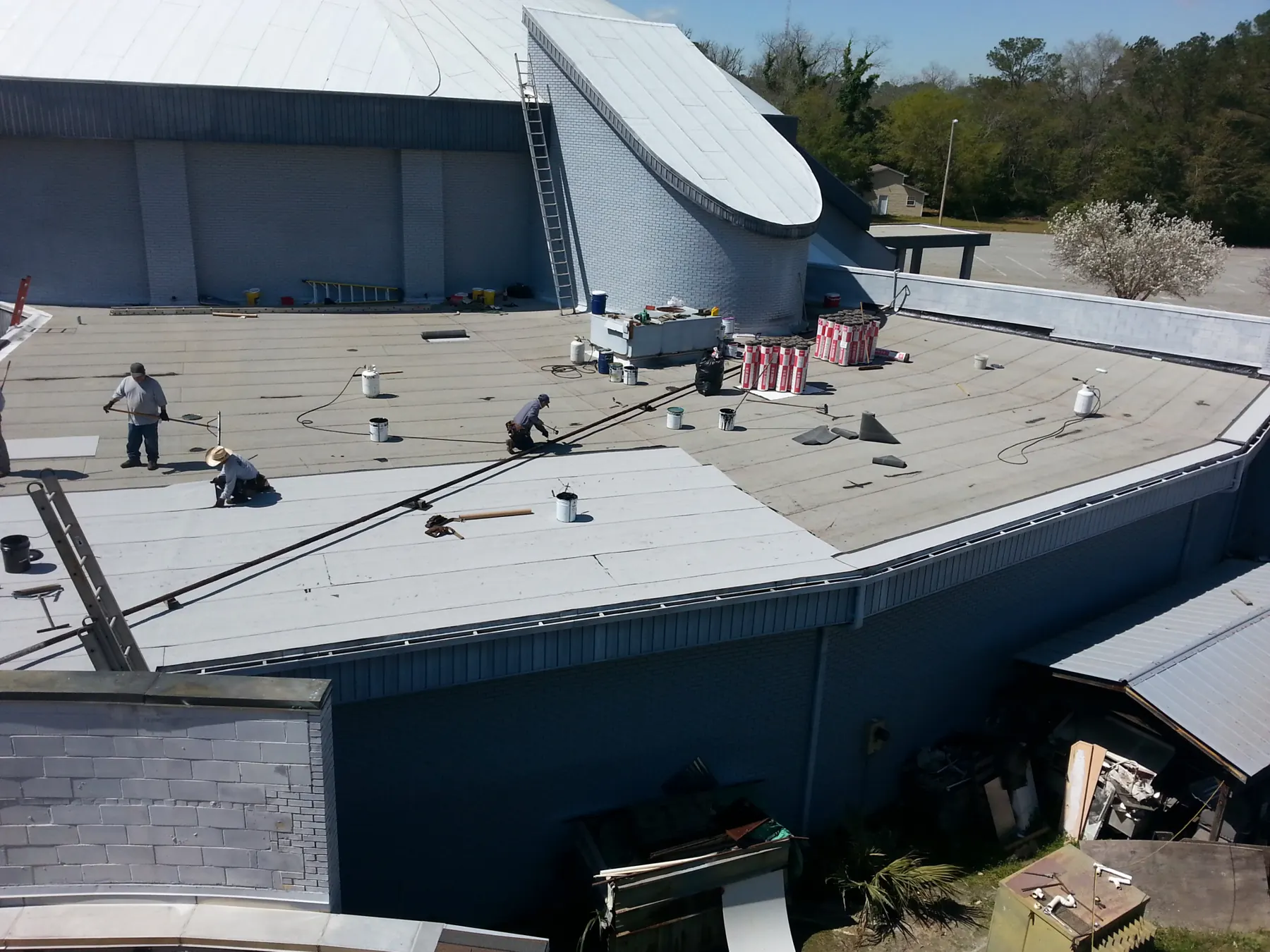
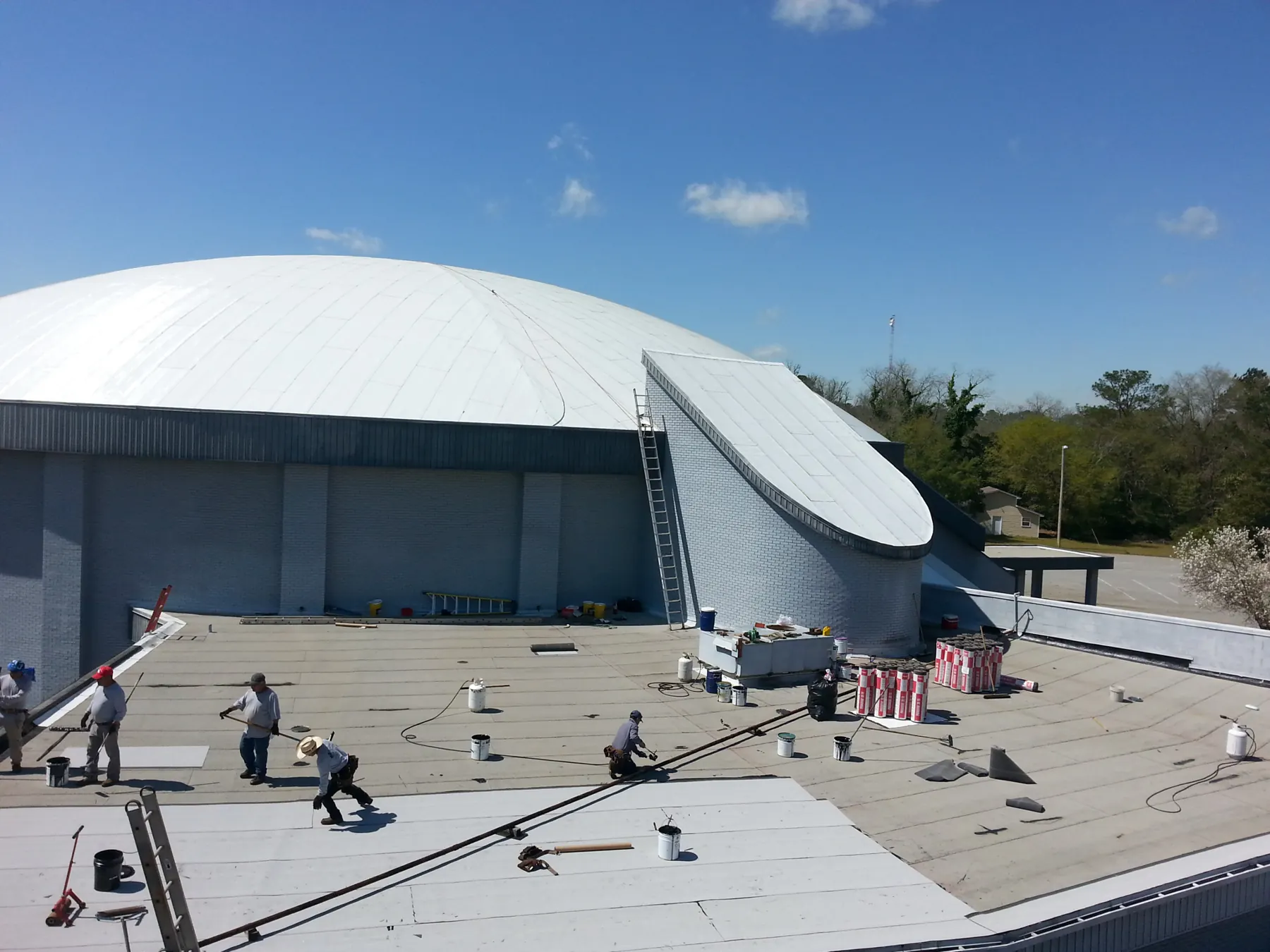
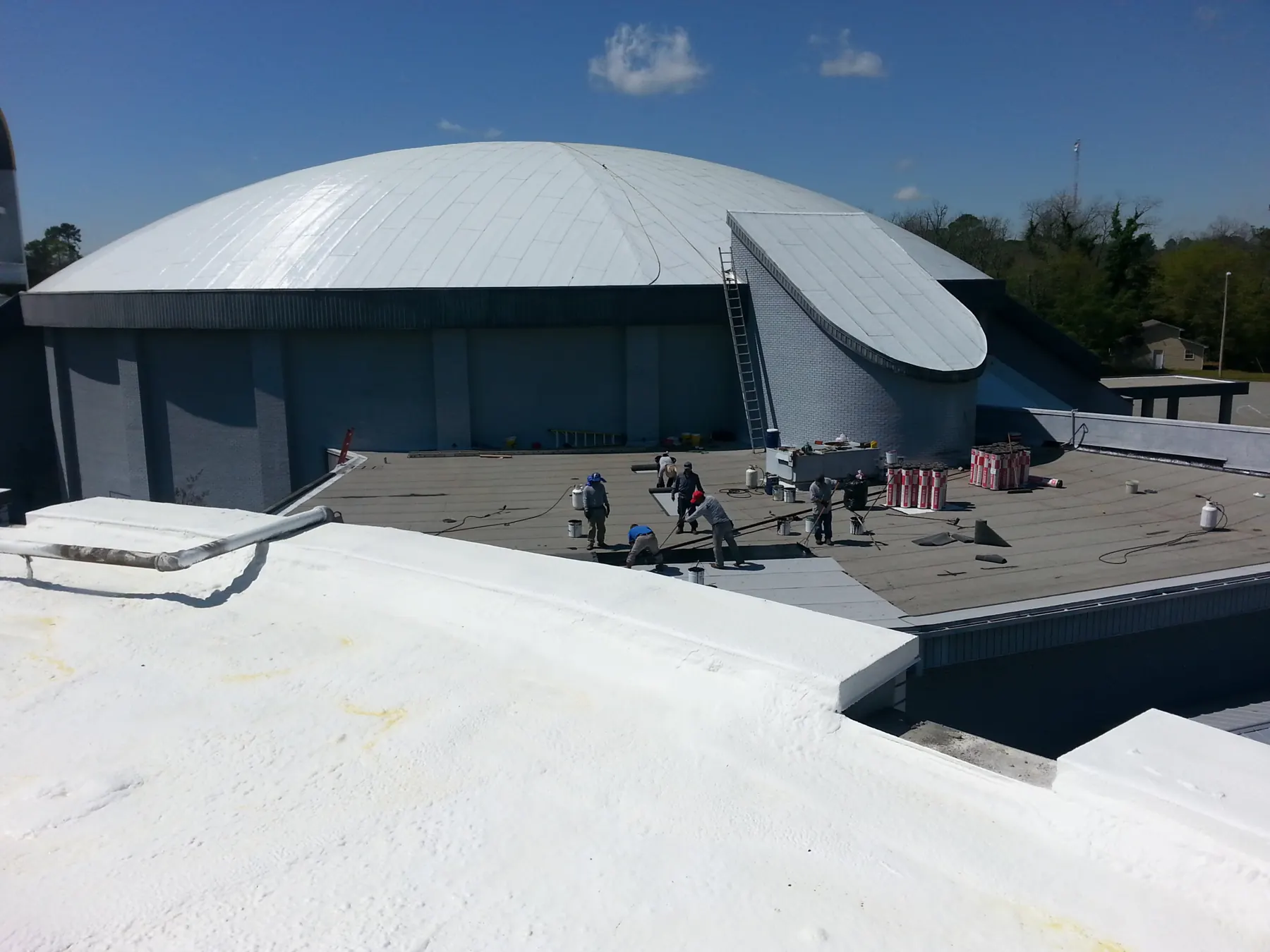
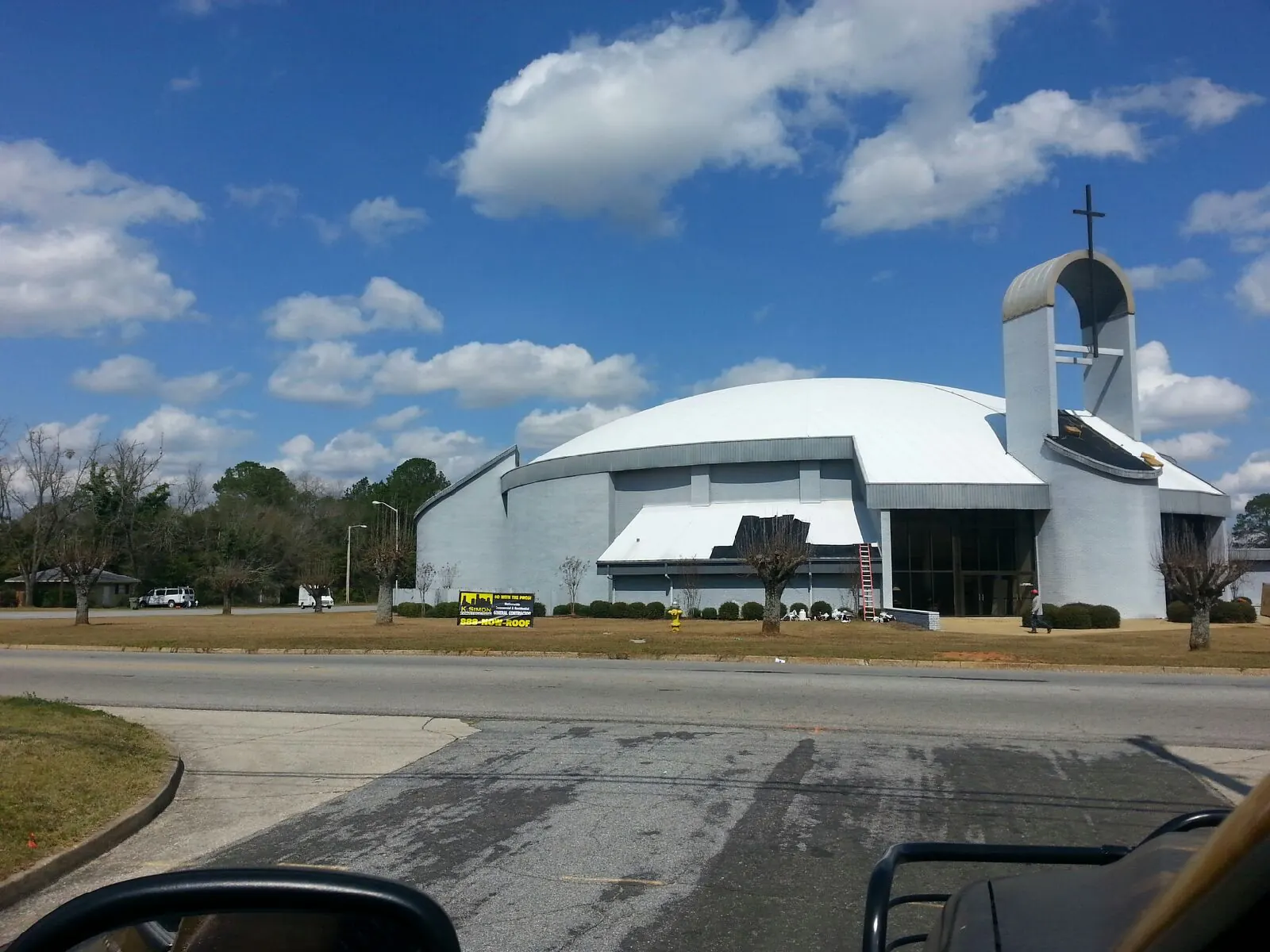
Project · Albany, GA
1 / 8
Albany, GA
FAQ
For property managers, associations, and building owners
The Storm Response Playbook covers the first 2 hours through day 30: documentation, mitigation, vendor verification, and the records that survive the season. Free, with a printable toolkit of eight working documents. Use it whether or not you ever call us.
Tampa commercial
Tell us about the building, or the portfolio, and what it has to keep doing while the work happens. K. Simon Construction assessments map sections, assemblies, and moisture in writing, with photographs tied to findings. Commercial work runs nationwide.